Three years have passed since Scotland's major urban centres declared housing emergencies, with the nation following suit months later. Yet the situation has only deteriorated, with homelessness reaching unprecedented levels and property costs continuing their upward trajectory. According to BBC News, the apparent remedy—constructing additional housing—masks a far more intricate challenge involving central government, local authorities and commercial developers.
Scottish ministers assert that Scotland maintains the UK's strongest housebuilding rate, though momentum is slowing and concerns persist about whether construction is occurring in locations where it is most needed. The scale of homelessness has become acute: Scottish government data reveals more than 19,000 households occupy temporary accommodation funded by councils, representing a 10% increase year-on-year, with 10,715 children among them. In the 2025-26 financial year, 35,000 households were identified as homeless or at imminent risk of homelessness.
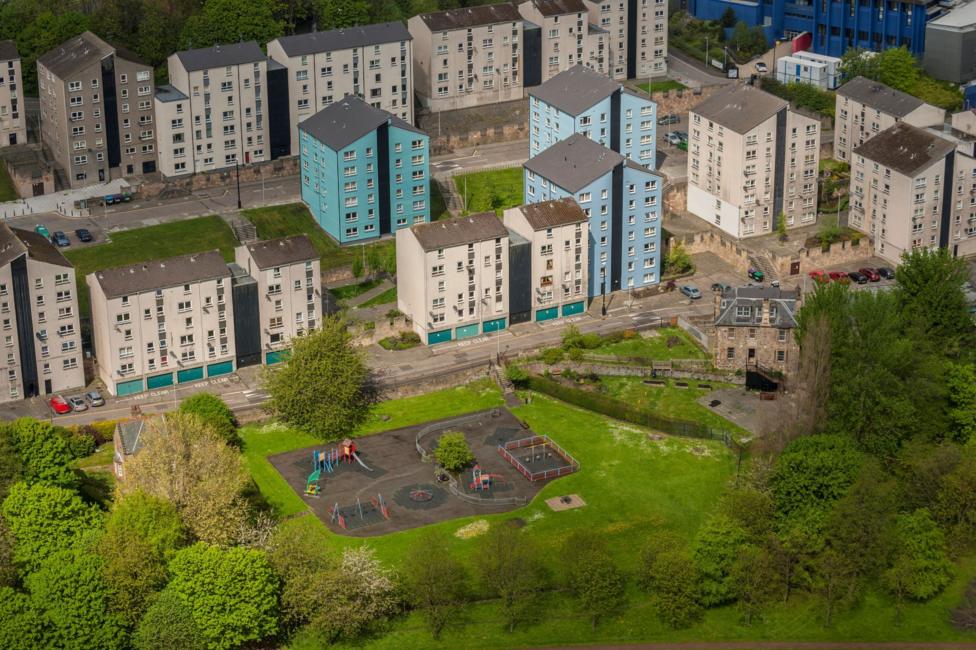
Thirteen Scottish councils have now declared housing emergencies, citing escalating pressure on homelessness services, substantial numbers of people in temporary housing, and insufficient affordable stock relative to lengthy waiting lists. Glasgow, the nation's largest city, faces particularly acute challenges, with its council spending nearly £70 million annually to house people in hotel rooms. The city has been designated as experiencing "systemic failure" by the Scottish Housing Regulator, alongside Edinburgh.
Applications to council and common housing lists exceeded 180,000 as of March this year—a figure excluding some major authorities. Glasgow alone reports more than 6,000 applications waiting for social housing, with over 4,200 households in temporary accommodation. The city confronts distinctive pressures from refugee households: 44% of the 8,025 homelessness applications received last year came from individuals with refugee status or leave to remain, compared to 16% across Scotland overall.
Why is the housing stock not recovering?
Although the social housing stock managed by councils and housing associations has expanded since 2017—the year Scotland abolished its Right to Buy scheme—it has merely returned to 2004 levels. Remarkably, 89,000 fewer social homes exist today than when the Scottish Parliament reconvened in 1999, despite Scotland's population growing by 9% during that interval.
The overall housebuilding sector faced a prolonged recovery from the 2008 financial crisis when the Covid pandemic struck, disrupting momentum further. According to Scottish government housing statistics, 17,268 homes were completed in 2025-26, marking a 10% decline from the previous year. This represents the third consecutive year of falling completions. The outlook remains bleak: the number of new projects initiated over the past two years reached their lowest point since 2012-13.
Private-sector completions fell 8% to 13,494 homes, while social-sector completions declined 16% to 3,774 homes, according to the latest government data. However, social-sector starts rose 25% to 3,937, suggesting potential future recovery in publicly-funded housing if momentum is sustained.
Housebuilders attribute the slowdown to multiple interconnected factors. Construction material costs remain vulnerable to inflationary shocks, exemplified by price surges following the 2022 invasion of Ukraine. Industry representatives also cite insufficient land designated for development and protracted planning permission processes. Homes For Scotland, representing approximately 200 housebuilding firms, contends that regulatory requirements imposed by government in recent years have added tens of thousands of pounds to new-build costs.
Recent Scottish regulations include levies addressing unsafe cladding on tall buildings, mandates for "climate-friendly" heat sources, and enhanced energy efficiency standards. Scottish Housing Secretary Shirley-Anne Somerville acknowledged housebuilders' concerns while defending these measures, noting they reduce energy bills and improve housing accessibility for disabled residents. She highlighted that UK Chancellor John Healey pledged in his budget not to implement major building regulation changes for the remainder of the parliamentary term.
Are homes being built in the right places?
A striking geographic imbalance characterises Scotland's housebuilding activity. In 2025-26, 32% of newly completed homes were constructed in the Lothians region. When Fife—another area attracting Edinburgh commuters—is included, this corner of Scotland accounts for 39% of all new homes despite containing only 23% of the population.
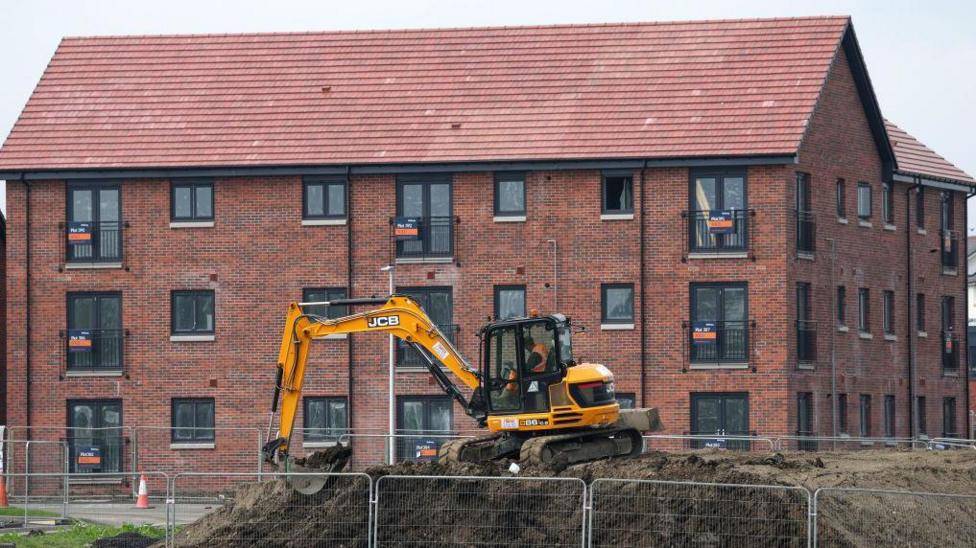
The western regions present an inverse picture. Glasgow and surrounding councils represent 32% of Scotland's population yet account for merely 26% of housebuilding activity. This disparity persists even in prosperous areas experiencing substantial population growth. East Renfrewshire, for instance, completed just 87 new homes last year despite rising demand.
Glasgow's housing crisis has intensified despite these demographic pressures. The city council attributes the shortfall to escalating construction expenses and notes that fewer new home projects commenced there last year than in East Lothian, a considerably more rural region with one-sixth Glasgow's population. However, Glasgow has initiated ambitious plans to address this gap. The council has announced 6,500 new affordable homes to be constructed on brownfield sites—previously developed land currently unused—over six years. Additionally, 59 sites across the city have been identified as potential locations for another 12,173 homes, potentially deliverable by 2032 if funding materialises. The council is also exploring conversion of vacant retail properties into residential units.
Economic forces explain much of this geographic concentration. Edinburgh has experienced substantial population migration, with the capital's expanding financial and service sectors contrasting sharply with western areas struggling to overcome industrial decline. This shift has elevated property prices in the east: Edinburgh, Midlothian and East Lothian rank among Scotland's four most expensive regions, all significantly exceeding the national average. Higher valuations attract commercial housebuilders seeking profitable returns and encourage construction-related businesses to establish operations there.
Rural and western areas face structural disadvantages. Fewer small-to-medium sized building firms operate in these regions to undertake projects, and affordability challenges compound the problem. A study commissioned for Shelter Scotland found that 62% of newly-formed households—those entering the market for the first time—in the Edinburgh region could not afford current market prices, compared to 55% across Scotland overall.
Can Scotland meet its affordable housing target?
The Scottish government established a specific target in 2022: completing 110,000 affordable homes by 2032, with at least 70% available for social rent and 10% designated for island and rural communities. Progress has proven insufficient. By March 2026, 35,368 homes had been completed toward this goal, according to Scottish government data.
The Affordable Housing Supply Programme recorded 6,832 completions in 2025-26, representing an 8% decrease from the previous year. With just over five years remaining, the Scottish Parliament Information Centre calculates that 15,000 homes must be delivered annually to meet the target. Current trajectories fall dramatically short: the delivery rate must more than double and be sustained at record levels to achieve the goal.
Of the homes completed under the programme in 2025-26, 79% were for social rent, with 85% of approvals and 84% of starts also designated for social rent, indicating strong government focus on genuinely affordable options rather than intermediate products.
The Shelter Scotland study suggested that 15,693 additional affordable homes must be constructed yearly to resolve the housing emergency. The Scottish government does not maintain an overall housebuilding target, only the specific affordable housing commitment.
Ministers have committed £4.1 billion over four years to support delivery of approximately 36,000 affordable homes. While builders have welcomed the extended funding certainty, this investment would only achieve half the 110,000 target with two years remaining. Modelling by the Fraser of Allander Institute think tank suggests the target is more likely to be reached in late 2036—four years beyond the original deadline.
Scottish Housing Secretary Somerville stated the government "remains focused" on achieving the 110,000 target while acknowledging its "challenging" nature. She indicated the goal could be met through sustained investment in publicly funded affordable housing schemes, including vehicles like the Scottish National Investment Bank, alongside support for private developers.
What comes next for Scotland's housing strategy?
The Scottish government is establishing a new national agency, More Homes Scotland, launching next year with the mandate to "remove barriers and accelerate housing delivery." This initiative represents an attempt to streamline processes and overcome obstacles that have constrained construction rates.
The convergence of record homelessness, falling completion rates, geographic imbalances, and unmet targets creates an urgent policy challenge. Success will require coordinated action across multiple fronts: accelerating planning processes, ensuring adequate land availability, supporting construction sector viability, and directing resources toward regions with greatest need rather than highest returns.