Multiple women have accused entertainer David Walliams of sexual misconduct following a three-year joint investigation by BBC News and the Guardian, published after he lost a legal bid to suppress the allegations. The investigation, which began in April 2023, drew on accounts from 30 people, with media-company counsel saying investigators had spoken to more than 100 people. Some accusers characterise their encounters with Walliams as grooming, with one woman describing an alleged incident at age 15 as sexual assault.
In a letter to journalists, the 55-year-old entertainer stated he was "not a sexual predator" and had not "broken the law", though he acknowledged behaving "thoughtlessly towards other people I had casual sexual relationships with". A High Court judge rejected his injunction request on the grounds that suppressing the allegations would constitute an "exceptionally serious interference" with the media organisations' rights to publish.
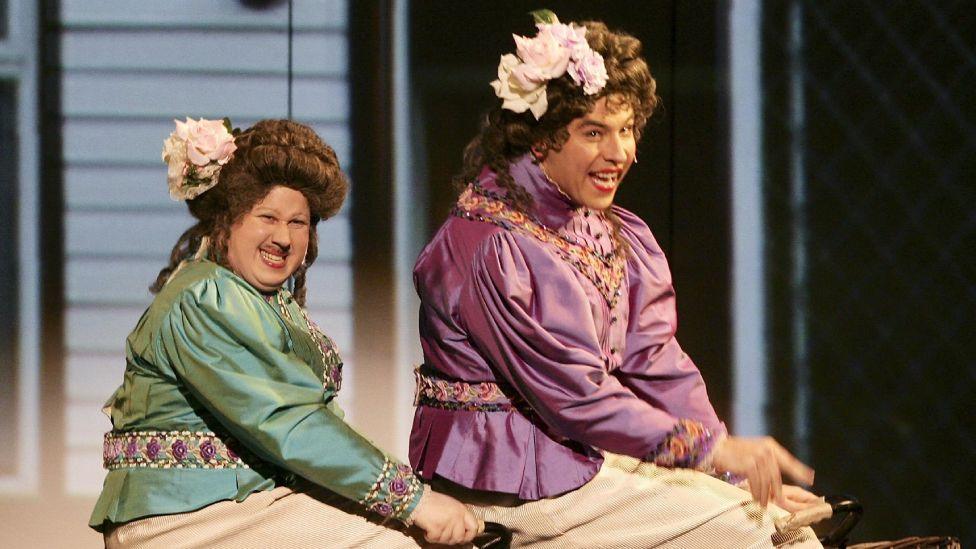
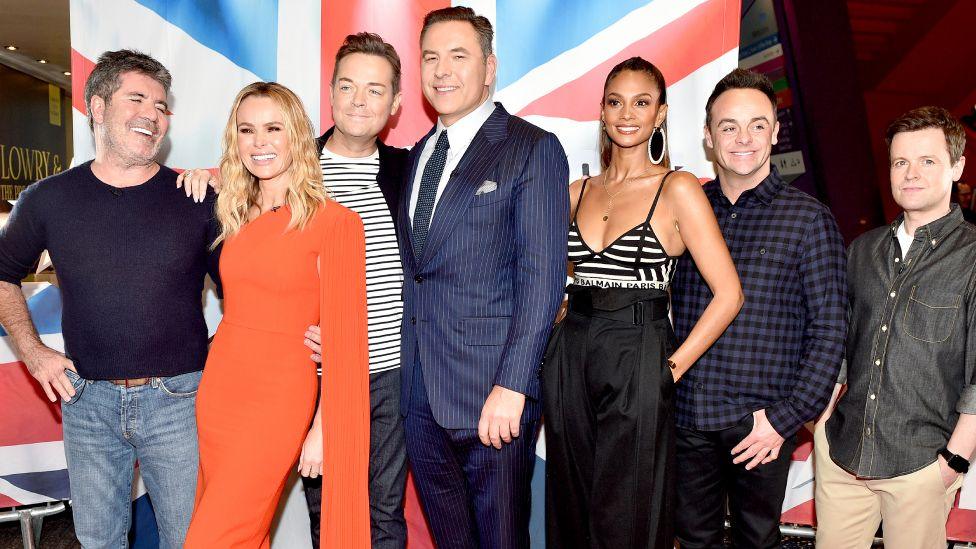
Walliams rose to prominence in the early 2000s alongside Matt Lucas on the BBC sketch comedy series Little Britain, later becoming a judge on ITV's Britain's Got Talent from 2012 to 2022 and launching a bestselling children's book series. Following publication of the investigation on 10 November 2026, his long-time literary agent Independent Talent Group dropped him, and publisher HarperCollins announced it would cease publishing his work.
What are the specific allegations?
The investigation documents allegations from multiple women who say they were targets of unwanted sexual advances. According to CNN's reporting, one woman alleged that Walliams contacted her on MySpace when she was 15 at a fan event in 2004. She claims he groomed her over two years before they had consensual sex when she was 17. When asked how she views the relationship now, she told the investigation: "I think I was groomed. 100%." Walliams claimed he believed she was 18 at the time and said he is "mortified to learn" their "brief, consensual relationship has caused her sadness". The investigation noted she had joked in an email that she was "old enough to go drinking", though she was actually 17.
Another woman, identified as Jade, alleged she met Walliams in August 2007 at a Soho cafe when she was 15. She claims that at his home, he kissed her, lifted her T-shirt, committed an act she now characterises as sexual assault, and attempted to place her hand down his trousers. She described the encounter as "unwanted physical touching and emotional manipulation" and considers it grooming. Walliams strongly denied any sexual contact with her, rejecting allegations of criminal activity and stating he has never engaged in grooming.
A third woman, named Ella, said she was 19 and working as a model when Walliams attempted to kiss her during a tour of his home. She also referred to the incident as "unwanted physical touching and emotional manipulation". Walliams acknowledged making a "clumsy pass" at her but said he made no further approaches and had no intention of intimidating or making her uncomfortable.
What allegations relate to his professional roles?
Several women claimed they were invited to Walliams's dressing room at Britain's Got Talent or contacted by him after attending a taping of the show. Syco Entertainment, which created the programme, stated it had "no knowledge of the allegations described and was not made aware of them at the time". Fremantle UK, the show's production company, said "no complaint has ever been made" against Walliams and encouraged anyone who felt they had been subjected to impropriety to come forward.
Women who worked for publisher HarperCollins also alleged Walliams behaved inappropriately towards younger female employees. One intern told colleagues she had engaged in a consensual sexual relationship with Walliams but felt it constituted an "abuse of power". Following an internal investigation, HarperCollins announced it was dropping Walliams as an author and would no longer publish his back catalogue. The company stated it takes employee wellbeing "extremely seriously". Walliams denied sexually harassing anyone at HarperCollins or behaving inappropriately in the workplace.
How did the legal process unfold?
Walliams, 55, initiated legal action against Independent Television News (ITN), which produces ITV News, and Guardian News and Media (GNM), publisher of the Guardian, seeking to prevent publication of the allegations. His lawyers argued that publication would be "highly likely" to lead him to take his own life, citing two previous suicide attempts, and urged the court to block any publication or broadcast. The court heard that Walliams had attempted suicide and been hospitalised after the outlets first approached him for comment in May.
Last week, High Court judge Matthew Nicklin rejected the injunction request, determining that suppressing the allegations would be an "exceptionally serious interference" with the media organisations' rights. Walliams did not lodge an appeal, clearing the way for him to be named publicly.
What has Walliams said in response?
Looking back, I realise that at times I behaved thoughtlessly towards other people I had casual sexual relationships with. I realise I did not always take people's feelings properly into account. That is something I regret. And whilst a power imbalance is inevitable when one party is famous, abusing that power is something else entirely and it is something that I never did.
In his letter to journalists, Walliams continued:
I am not a sexual predator. I have not broken the law, but I am devastated that some of the women I met 10 to 20 years ago have now expressed hurt or anger towards me.
His legal representatives denied grooming allegations involving Lilly Creightmore, a woman who waived her anonymity to speak to BBC Newsnight. They stated Walliams did not "target" her because she was "vulnerable" or "young", and that he believed their friendship was "special one". Walliams said he felt "devastated" by her account and denied that offers of help or gifts were attempts to groom, manipulate or coerce her into sleeping with him.
What did accusers say about their experiences?
Lilly Creightmore, who Walliams contacted when she was 18, told BBC Newsnight she was "angry" at his behaviour. She described how, a month after they first met, Walliams suggested she "could move in with him and basically that I could be his flatmate". Upon arriving at his house, she said she "felt instantly pressured to share a bed with him". She recounted:
In the evenings, he would sort of come and sit with me and stroke my leg, and one night I think he put his head in my lap and sort of be like, 'are you sure you don't want to come and sleep in my bed with me?' I had an inner strength like, 'no I'm not attracted to you in that way'... I felt I was being manipulated.
Speaking to Newsnight about the broader pattern of behaviour by powerful men, Creightmore stated:
I am angry, I'm suppressing it well, but just that this culture of older men in positions of power needs to go, needs to stop. They're abusing their positions, using young people and abusing young people, and people of any age of course. There were too many men in power still, that are doing this and they need to go.
What institutional responses have followed?
The BBC described the allegations as "serious" and removed Little Britain from its streaming service. The Metropolitan Police stated it had contacted the Guardian and ITV News to "ensure that any potential victims" are "made aware of how they could report any criminal allegations to police".
Independent Talent Group, Walliams's literary agent, confirmed on 10 November 2026 that it had dropped him following publication of the investigation. HarperCollins, his publisher, announced it would cease publishing his work after conducting an internal investigation into the allegations.
Key Facts
- A three-year joint investigation by BBC News and the Guardian, drawing on accounts from 30 people with investigators speaking to more than 100 individuals, documented allegations of sexual misconduct spanning from the early 2000s to the 2010s
- Multiple women alleged Walliams groomed them as teenagers, with one describing an encounter at age 15 as sexual assault; Walliams denies all allegations of grooming and criminal behaviour
- High Court judge Matthew Nicklin rejected Walliams's injunction bid on 10 November 2026, ruling that suppressing the allegations would constitute an "exceptionally serious interference" with media freedom
- Following publication, Independent Talent Group dropped Walliams as a client and HarperCollins ceased publishing his work after an internal investigation
- The BBC removed Little Britain from its streaming service, and the Metropolitan Police indicated it would contact potential victims to inform them of reporting options