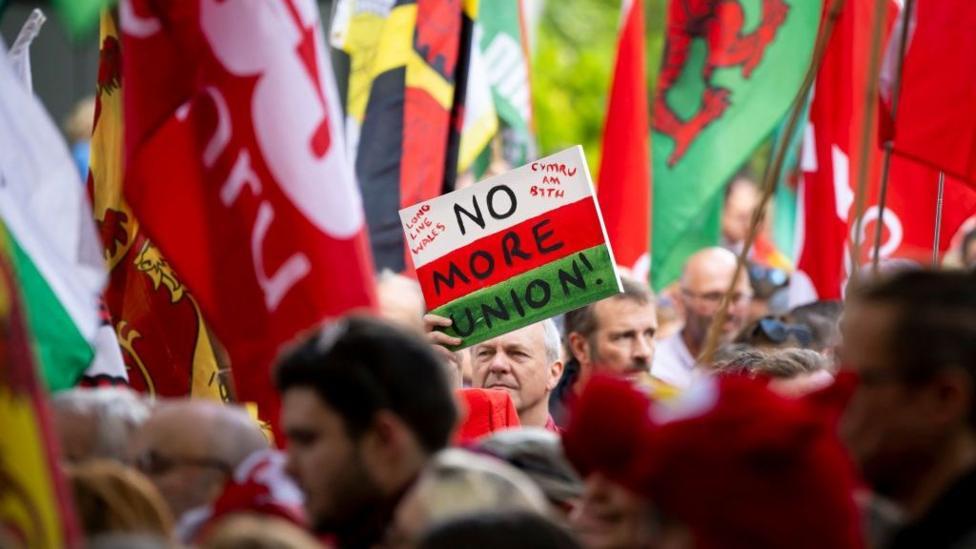
The Plaid Cymru-led Welsh government has established a new independent body to examine the constitutional future of Wales, including the prospect of independence alongside enhanced devolution and a federal United Kingdom structure. According to BBC News, the National Commission for Wales will provide "advice, evidence and analysis" on these options, with Constitution Minister Dafydd Trystan Davies announcing the initiative on Tuesday. The commission is expected to cost approximately £500,000 annually.
The body will be chaired by Dame Menna Rawlings, a former ambassador to France and British High Commissioner to Australia, and Professor Emyr Lewis, an emeritus professor of constitutional law at Aberystwyth University. According to the Welsh Government's September 2026 programme, the commission will build on the Independent Commission on the Constitutional Future of Wales and support a national conversation as well as advise on constitutional reform.
The establishment of this commission fulfils a Plaid Cymru manifesto pledge made at the May election. The party has ruled out attempting to hold an independence referendum during the current Senedd term, which concludes in 2030, though it has indicated that if reelected, it may present the case for independence through a white paper. Plaid Cymru's stated remit includes researching political and economic questions and laying foundations for a future independence white paper.
What will the commission examine?
The commission will not focus exclusively on Welsh independence but will instead consider three "viable options" for Wales' constitutional future. These encompass independence as a sovereign state, enhanced devolution within the United Kingdom, and a federal UK structure where each home nation retains significantly greater control over domestic affairs while Westminster maintains authority over matters such as defence.
Beyond these constitutional frameworks, the independent body will provide guidance on devolution priorities and examine areas including the Crown Estate, rail infrastructure, justice and policing. The Welsh government is actively pressing Westminster to devolve all four of these areas to the Senedd and Welsh ministers. The commission will also investigate the balance of responsibilities across different levels of government in Wales, including potential transfers of further powers to regional or local authorities.
The commission intends to engage with people across Wales and conduct research on key political, economic and democratic questions relevant to the nation's future. Professor Lewis told the BBC there was "no pressure" on the commission, stating:
"Menna Rawlings and I are very used to providing independent advice. We're not campaigners, we're advisers. We're not here to wave the flag for any conclusion or solution. We're here to do a job of work, to advise the government."
What is the context for this commission?
This is not the first body to examine Wales' constitutional arrangements. The Silk Commission in the early 2010s, a commission on justice operations published in 2019, and a 2024 commission all previously investigated devolution and constitutional matters. The 2024 commission concluded that independence represented a viable option for Wales, though it identified that outside the UK, Wales would face a "significant" short to medium-term challenge in raising sufficient tax revenue for public services.
The previous constitutional commission recommended putting intergovernmental relations and the Sewel Convention on a statutory footing; the Welsh Government says it will press the UK Government on both. The Welsh government is also coming under pressure from Prime Minister Andy Burnham's Labour Westminster administration to devolve more powers to the regions of Wales.
How have political parties responded?
Reactions to the commission's establishment have been sharply divided along constitutional lines. Reform, which opposes the initiative, characterised it as wasteful. Reform's Welsh leader Helen Jenner stated that voters "do not want to see Wales ripped out of the United Kingdom" and called the commission "ridiculous", arguing that the Welsh government should focus on improving public services, educational outcomes and the NHS rather than addressing constitutional matters.
Welsh Conservative Senedd leader Darren Millar attacked the commission's establishment, suggesting the Senedd had become "accustomed" to a "sort of constitutional merry-go-round" and predicting it would call for additional powers. He demanded the First Minister prioritise "the people's priorities" and address NHS challenges instead of pursuing what he characterised as a "power grab for more and more."
Labour's Huw Thomas offered cautious support, welcoming the exploration of regional and local devolution within the commission's remit, though he noted that another commission was being established. He sought clarification that independence remained off the table for the current Senedd term, which Constitution Minister Davies confirmed.
Rob Hughes, chair of the pro-independence organisation YesCymru, described the commission as "one step forward to achieve what we want to achieve, which is an independent Wales". He stated:
"We believe fully that an independent Wales will lead to a better future for the people of Wales, and put us in a better position to be able to address some of the issues that people are facing."Hughes acknowledged that an independence referendum held immediately would not succeed, saying:
"Realistically, if we add a referendum tomorrow, we're not winning it. So we need to build the argument."He indicated that YesCymru was "looking" at a referendum for 2032.
What did the minister say about the commission's scope?
Constitution Minister Dafydd Trystan Davies emphasised the urgency of examining Wales' constitutional arrangements, stating:
"The way the United Kingdom is structured and governed is under increasing strain, and debates about devolution, accountability and where decisions should be made are increasingly pressing."In the Senedd on Tuesday afternoon, Davies explained that the commission "will also consider the balance of responsibilities across different levels of government in Wales, including the scope to transfer further responsibilities to regional or local levels".
Davies appeared to acknowledge Labour's push for greater devolution to Welsh regions, suggesting he was confident "others in this Senedd will welcome" that agenda. He added:
"Decisions should sit at the level where they can be exercised most effectively - national, regional or local - recognising the distinct democratic roles and responsibilities of Welsh government, the Senedd and local government, and supporting greater coherence between the tiers of government."
What happens next?
The timeline for the commission's work remains unclear, with no announcement yet made regarding when it will report its findings. The Senedd's Constitution, Justice and External Affairs Committee has invited UK Prime Minister Andy Burnham to give evidence on the UK Government's response to constitutional commissions and reviews, though a specific hearing date has not been confirmed. The commission will continue to develop its research agenda and engage with stakeholders across Wales as it progresses its examination of the nation's constitutional options.