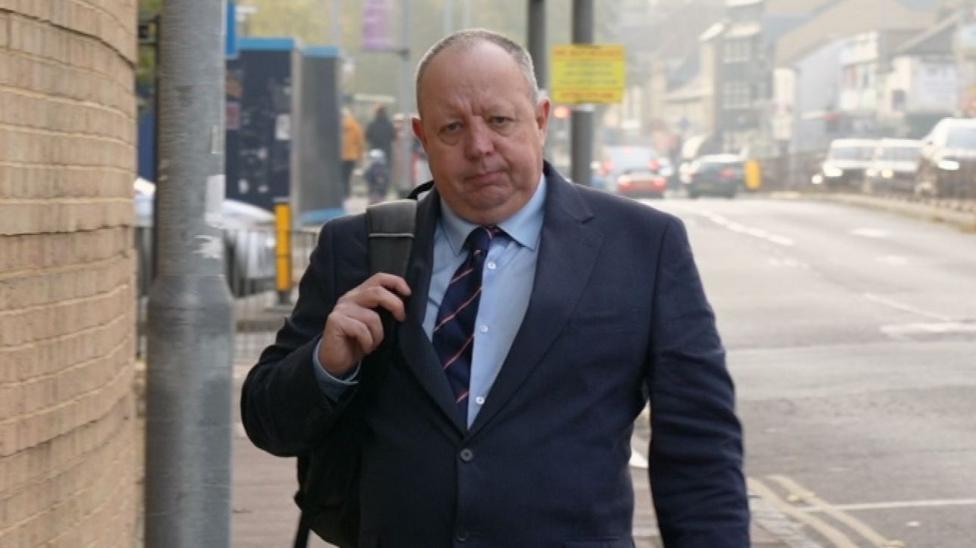
Andrew Johnson, the driver of a London-bound LNER service, made a split-second decision to switch to the slow line after hearing a distress call about a stabbing on 1 November 2025. According to BBC News, Johnson told jurors at Cambridge Crown Court that he had "probably about 10 seconds" to execute the manoeuvre before bringing the train to an unscheduled stop at Huntingdon in Cambridgeshire. Anthony Williams, 33, of Peterborough, denies 10 counts of attempted murder on the train, along with four other attempted murder charges stemming from incidents in Peterborough and London.
Johnson was operating the train at approximately 122mph (196km/h) in the Abbots Ripton area when an unusual alarm sounded, indicating someone was attempting to open a passenger door. He explained to the court that he had five seconds to override the alarm or the train would stop automatically, with a further 30 seconds needed to bring the service to a complete standstill once the brakes were engaged.
When Johnson picked up the intercom to investigate the door alarm, he received no response and initially assumed it was a false alarm. However, while he was speaking to the train manager to request an investigation, someone "over-spoke" the communication system and he heard a voice "screaming 'there's a knifeman stabbing people'." Johnson said the urgency in that voice made him decide immediately that "the best thing to do was to get to a platform." He pressed the urgent button and instructed a signaller to "get me to Huntingdon and get me the police."
The decision to switch lines
Johnson described his decision to move to the slow line as instinctive, saying he "just knew that was the right option." With only about 10 seconds available to make the switch, he acted without hesitation. The driver told jurors he could hear "banging and screaming" on the cab door, with passengers "begging" him to open it, but he remained focused on reaching the station safely. "My mind was completely focused on one thing and that was to get the train to Huntingdon," he explained.
The emergency stop and evacuation
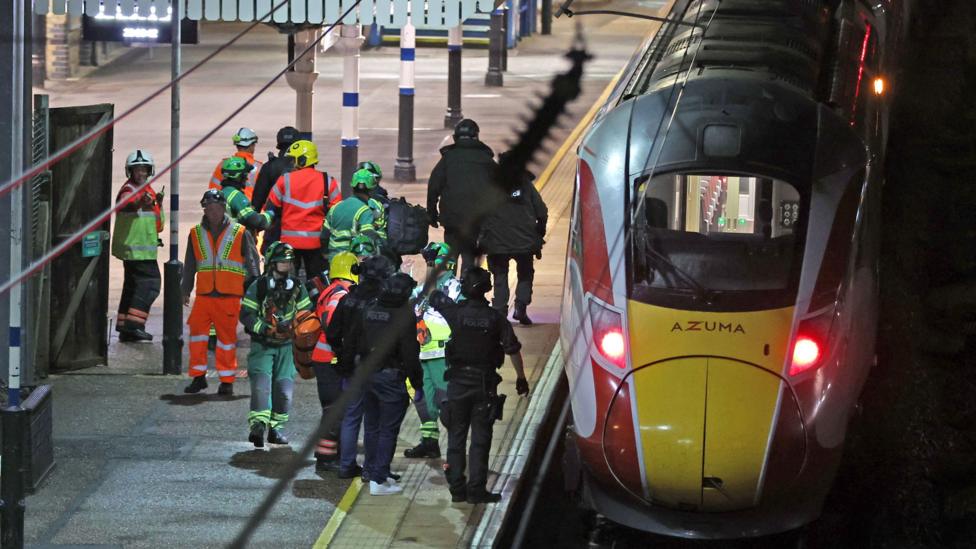
The train pulled into Huntingdon at 19:44 GMT. Because the stop was unscheduled, Johnson had to override the train's system to open the doors manually, a process that took approximately 15 seconds. When the doors finally opened, he witnessed passengers on the platform "they didn't just run, they sprinted like I'd never seen before." Throughout the entire incident, Johnson never had visual contact with Williams.
The broader charges and trial focus
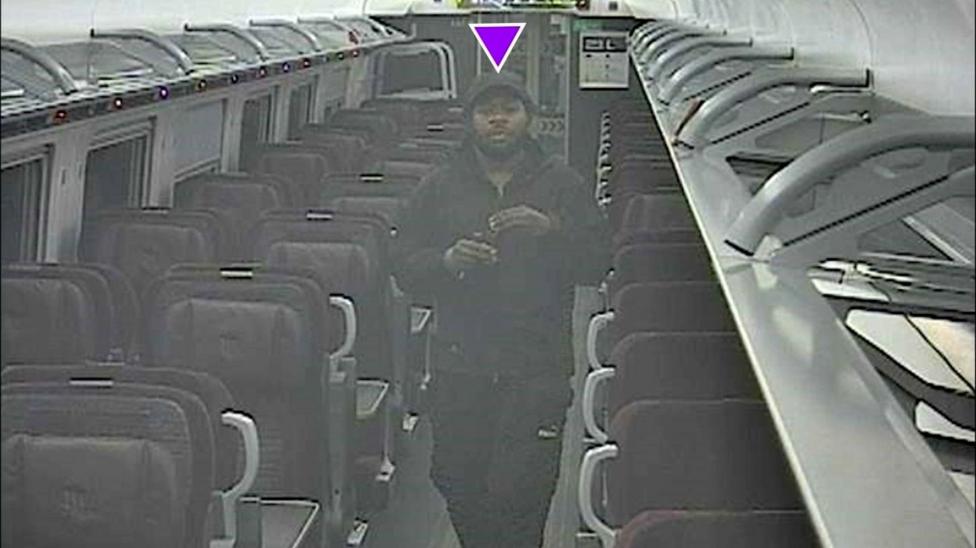
Prosecutors allege that Williams attempted to murder three people in Peterborough on 31 October and a teenager in the early hours of 1 November on a DLR train in east London. According to BBC News reporting on the case, Williams has pleaded guilty to 12 counts of wounding with intent and two counts of attempting to wound with intent, but denies the 14 attempted-murder charges. The central question for jurors is not whether Williams carried out the attacks—the court has been told this is not in dispute—but whether he intended to kill his victims.
The trial has heard testimony from multiple victims about their experiences during the attack. One passenger, Jonathan Gjoshe, described his first knife wound as feeling "like an electric shock," according to testimony presented to the jury. Earlier in the trial, CCTV footage showed passengers engaged in hand-to-hand combat during the mass stabbing, with some fighting desperately to disarm the attacker.
What happens next
The trial is ongoing and was expected to last approximately six weeks from its commencement. The court will continue to hear evidence from witnesses and victims as the prosecution and defence present their cases regarding Williams's intent during the attacks.