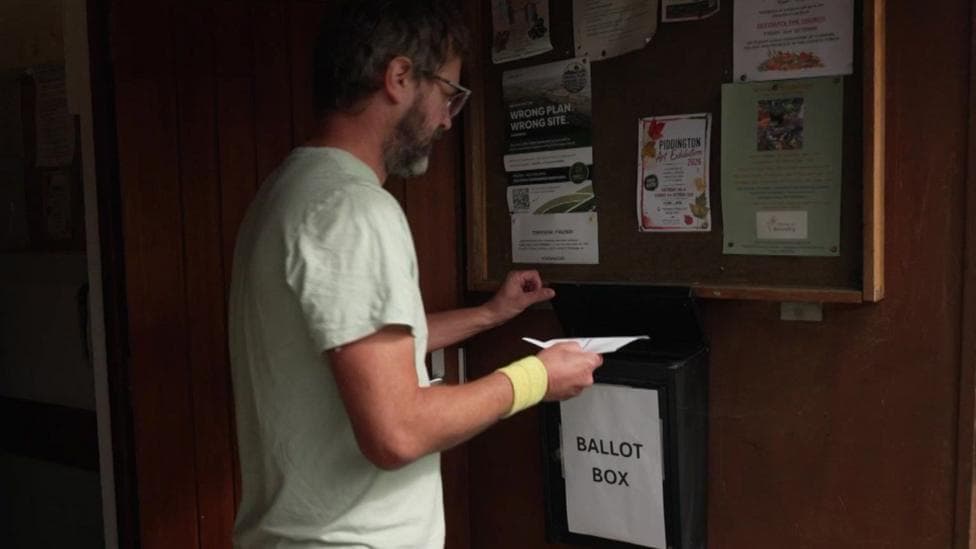
Residents of Piddington, a small village in Oxfordshire with approximately 370 to 400 inhabitants, are voting on whether their community should secede from the United Kingdom in protest against government proposals to house asylum seekers at a nearby former Ministry of Defence site. The symbolic referendum, organised by the local parish council, took place on 15 September with polling between 07:00 and 19:00 BST, with results expected on 16 September morning.
The vote centres on Home Office plans to accommodate up to 1,256 male asylum seekers at the former MoD Bicester facility, located approximately half a mile from Piddington. According to government documentation, the site would house single adult males aged 18 to 65 who have applied for asylum and undergone mandatory security checks, with a phased delivery model potentially bringing 270 asylum seekers to the location by the end of 2026. The facility is planned for a minimum of 10 years of operation.
The referendum ballot asks a straightforward question:
Do you want to secede from the United Kingdom?Although the vote carries no legal weight, it reflects deep frustration among villagers. In a preliminary vote held on 4 July—a date chosen to echo another declaration of independence from British rule—96% of attendees at a village hall meeting backed holding the symbolic referendum.
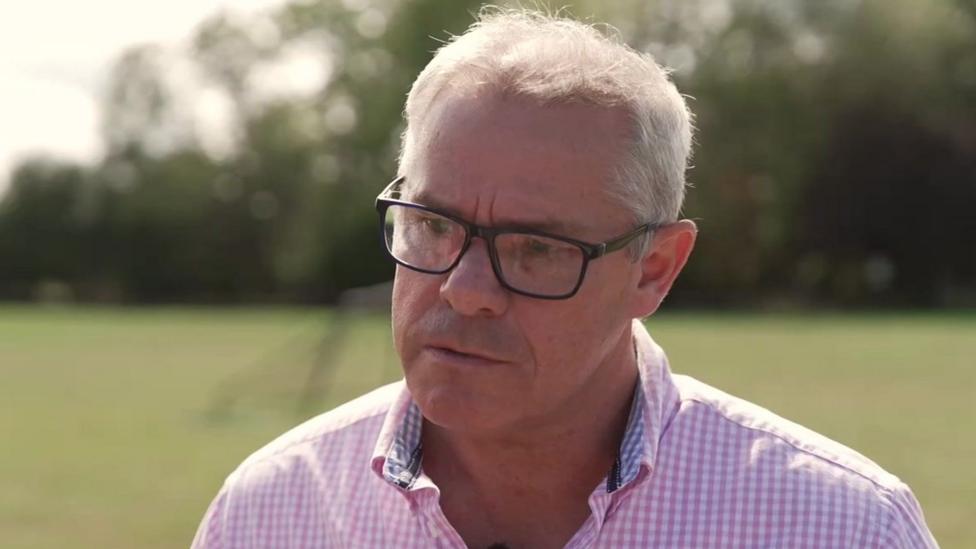
Tim McNally, chair of Piddington Parish Council, has been vocal about the community's grievances.
They actually have played every possible trick in the book to avoid engagement,he said of the government's approach.
If we've got to do something, it has to be proportionate, and that is not proportionate - that is us having to assimilate into them, not them assimilating into us.
One unnamed villager explained the significance of holding such a vote:
I think when you see a village like this feeling that they need to hold a referendum it sends a really powerful message to the government that we're being ignored and disenfranchised.Another resident expressed concerns about the impact on family life, saying
I've got three boys they currently live a life that is fairly free they will be in the village and I always know they're safe - I think that will change completely.
The strength of local opposition became evident when 133 women from Piddington wrote to every female Member of Parliament in the week before the referendum. In their letter, they stated that
life as we know it will be destroyedif the plans proceed, adding
We will not feel safe walking our streets. We are already living in fear.
What facilities would the site provide?
According to government planning documents, the MoD Bicester development aims to be self-contained with residents having access to essential facilities on site, including catering, laundry, healthcare, and recreational and interview facilities. The Home Office states this design would significantly reduce the need for residents to travel into surrounding communities, with shuttle buses and public transport available for accessing nearby towns and villages.

What is the government's position?
A Home Office spokesperson defended the proposals, stating:
We are working to fairly house asylum seekers across the country, moving asylum seekers into alternative accommodation.The government emphasises that former military sites are
designed to be self-contained to reduce impact on the local community.The Home Office has submitted an Urgent Crown Development application to fast-track the planning process, citing the scheme's national importance.
This is not the first time such a proposal has been made at this location. In 2005, the then-Labour government abandoned plans for an asylum seekers' accommodation centre on the same site.
What is the broader context of asylum accommodation in the UK?
The government must provide accommodation to asylum seekers who cannot financially support themselves while their claims are being considered. As of June 2026, 89,089 people were in asylum accommodation across the country. Approximately 18% of these individuals—16,021 people—were housed in hotels, which are used when shared housing such as houses of multiple occupation or former military sites is unavailable. The government has committed to ending hotel use by 2029.
Asylum accommodation is distributed unevenly across the UK, with more people housed in hotels across the south of England than elsewhere, while houses of multiple occupation are more prevalent in the north of England and Scotland.
A total of 85,891 people applied for asylum in the UK from July 2025 to June 2026, representing a 21% decrease compared to the same period in the previous year. While most people arriving by small boat claim asylum, they accounted for only 40% of all asylum seekers during this period. The remainder arrived through other illegal means or came to the UK legally before applying for asylum while holding or having recently held a valid visa.
The asylum decision process is lengthy. As of June 2026, 40,168 people across 32,401 applications were awaiting an initial decision—a 56% decrease from the previous year. However, a further 90,341 refused asylum applications were pending appeal outcomes in the courts, representing a 51% increase year-on-year. Refugee status was granted in approximately 38% of asylum decisions made from July 2025 to June 2026, while about 39% of asylum appeal cases concluded between January and December 2026 resulted in previous refusal decisions being overturned.
What happens next?
The government's public consultation on the MoD Bicester proposal remains open until 17 September, allowing residents and other stakeholders to submit their views. The formal planning process is ongoing, with no final decision yet announced. Piddington's symbolic independence referendum results are expected to be announced on 16 September morning, though the outcome will have no legal bearing on either the village's status or the government's asylum accommodation plans. The wider government scheme involves three sites that could house approximately 3,750 asylum seekers in total if all proposals receive approval.