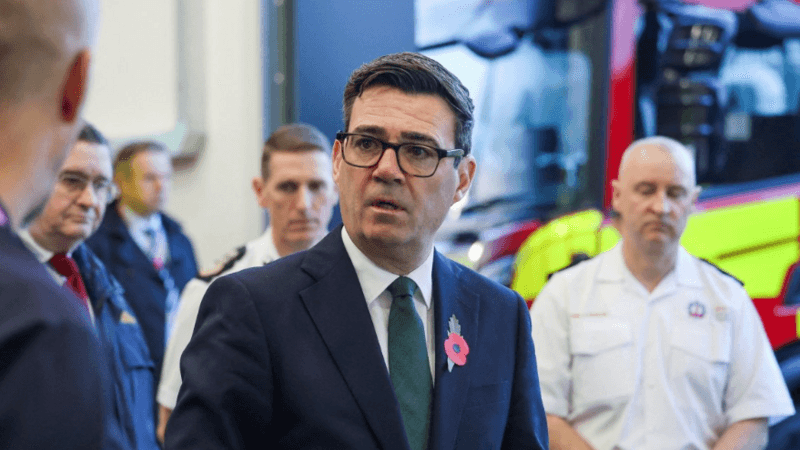
Scotland's justice secretary has announced that the Scottish Fire and Rescue Service (SFRS) will be able to place commercial helicopters on standby when wildfire danger reaches elevated levels, addressing concerns about response delays during a major blaze in the Cairngorms this summer.
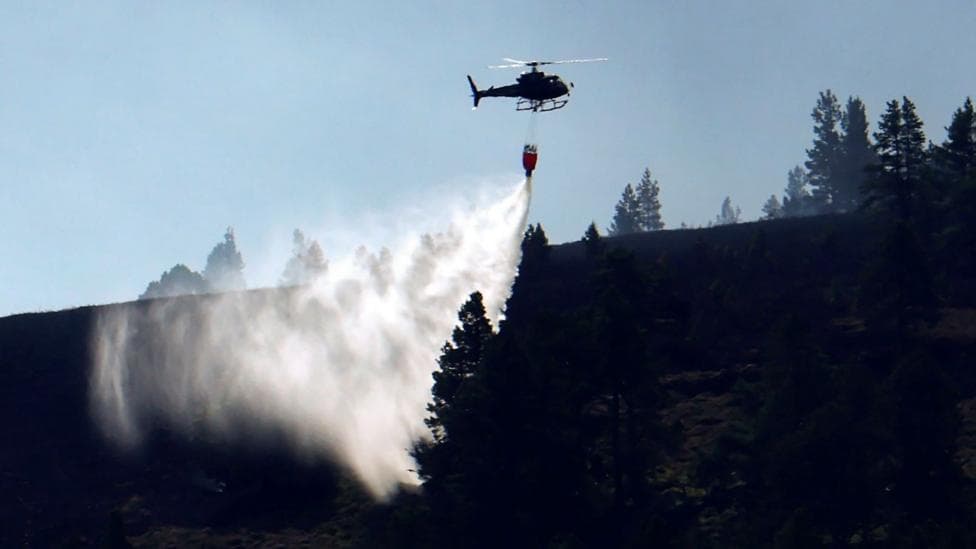
Neil Gray said that aerial water bombing proved crucial during the Cairngorms incident, but helicopters did not arrive until approximately 36 hours after the fire began. Under a new arrangement using existing contractual frameworks, SFRS will now be able to mobilise helicopters more rapidly when conditions suggest they may be needed.
The Cairngorms wildfire, which broke out near Glenmore on 15 July, burned across roughly 10 square miles (25 square kilometres) of moorland and forestry near Aviemore. The blaze raged for almost five weeks and became one of the most serious Scottish wildfires of the summer. At its peak, more than 500 firefighters were deployed to tackle the incident, and some homes and campsites required evacuation. According to reports from the time, two helicopters were waterbombing the fire from 17 July as wildfire warnings remained in force across parts of Scotland.
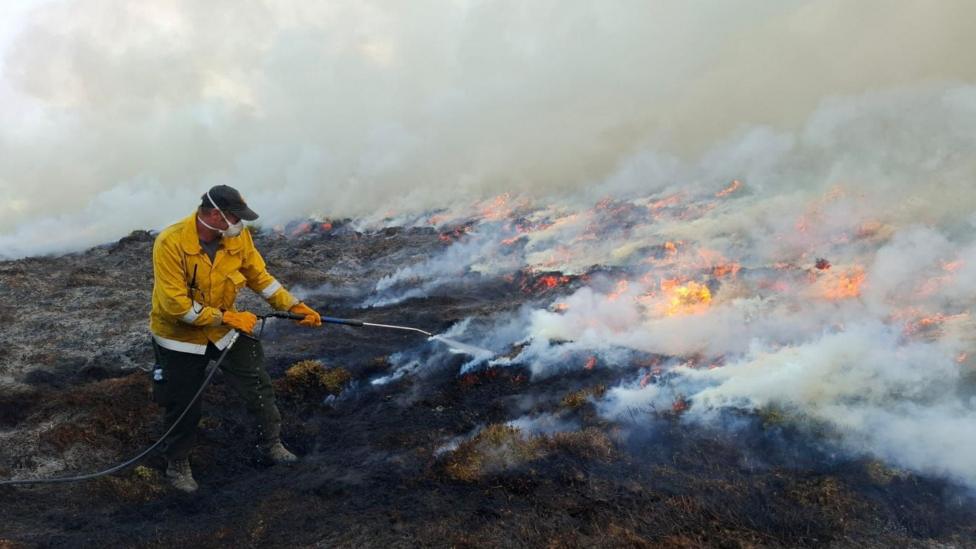
Speaking in the Scottish Parliament, Gray noted that the Cairngorms incident represented one of 58 wildfire events recorded across Scotland during the year. He acknowledged that while helicopter support had been deployed extensively once available, the initial delay highlighted a gap in Scotland's firefighting capability.
It is most effective in combination with a properly resourced ground attack,he said, emphasising that helicopters alone cannot extinguish fires.
However, it is a matter of record that helicopter firefighting assets were not available at the beginning of this wildfire and only came on site within around 36 hours after the start of the incident.
The Cairngorms National Park Authority described the specialist helicopters as
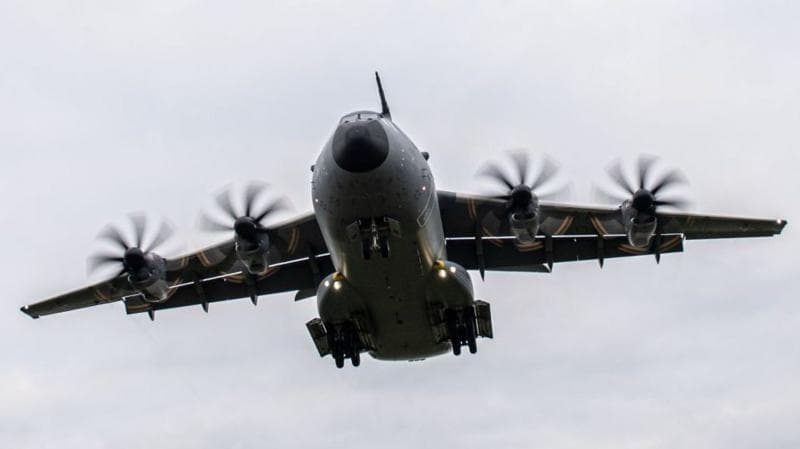
invaluablefor water bombing areas that ground crews could not easily reach. According to reports on the response, three private helicopters were later contracted to assist, reportedly delivering approximately 750,000 litres of water daily to hotspots. The Maritime and Coastguard Agency also deployed two helicopters and a fixed-wing aircraft to support the emergency response from 15 July onwards.
Gray called for closer collaboration between Scotland, England, Wales and Northern Ireland to address what he characterised as an
increased riskof wildfires driven by climate change. He noted that rescue services in England and Wales had responded to 342 wildfires in the first six months of the year alone.
Wildfires are no longer a seasonal hazard; they are a direct impact of climate change which is fuelling an increase in both the frequency and severity of wildfires,Gray stated. He also called for military support to complement civilian firefighting efforts.
The minister acknowledged that
helicopter firefighting assets were then used extensively through different phases of the incident when they were available and when they could make an active contribution to the response effort.However, he stressed that helicopters are not a panacea.
It is most effective in combination with a properly resourced ground attack.
What do landowners and fire chiefs say?
Ross Ewing, representing the Scottish Land and Estates organisation, welcomed the announcement as
a significant and practical step from the Scottish government.
Scotland's chief fire officer, Stuart Stevens, had previously commissioned a formal debrief into the Cairngorms incident and called for a more structured approach to wildfire prevention. In an open letter issued last month, Stevens described wildfires as
dynamic, unpredictable and dangerousand warned that they represented an escalating and evolving threat that could not be managed through emergency response measures alone. He urged government, public services, land managers, businesses and communities to collaborate in reducing the growing wildfire threat.
What happens next?
Gray said the response to the Cairngorms incident would be subject to a full review. According to updates from the Scottish Fire and Rescue Service, monitoring for hotspots continued in the Cairngorms after the main blaze, with operations expected to persist until the area reached a safe condition. As of 5 August, approximately 20 firefighters and four appliances remained on site alongside helicopter support. Wildfire warnings remained active across Scotland through the following days in July, with alerts set to continue until conditions improved.
Key Facts
- The Cairngorms wildfire burned for nearly five weeks across 10 square miles of moorland and forestry, with over 500 firefighters deployed at peak response
- Helicopters did not arrive until 36 hours after the fire began, prompting the new standby arrangement announced by Justice Secretary Neil Gray
- Three private helicopters were contracted to assist, reportedly dropping around 750,000 litres of water daily on hotspots during the response
- The incident was one of 58 wildfire events recorded in Scotland during the year, with rescue services in England and Wales responding to 342 wildfires in the first six months alone
- A formal review of the Cairngorms response will inform future wildfire prevention strategies across Scotland