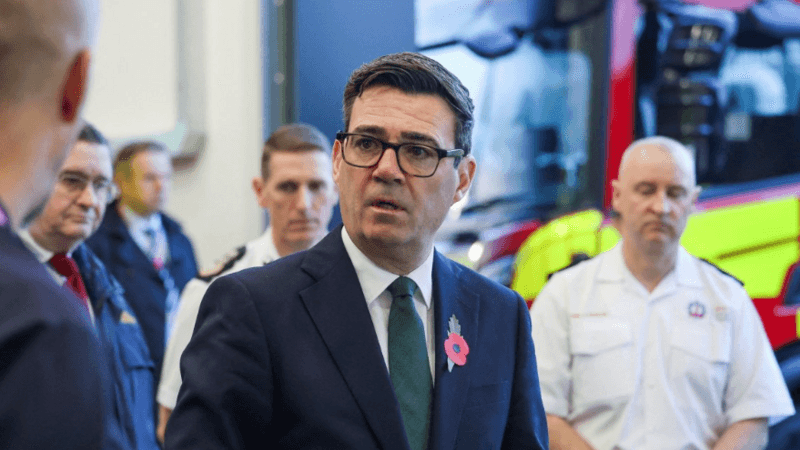
Prime Minister Andy Burnham has encouraged people to prepare emergency supplies of tinned food and bottled water as the government responds to mounting threats from extreme weather, cyber-attacks and other disruptions. Speaking at England's first wildfire resilience summit in Liverpool, Burnham acknowledged that "unexpected events seem to be becoming more and more common" and defended the government's push for household preparedness.
According to BBC News, the prime minister suggested that while stockpiling essentials was sensible, people should maintain mental clarity during crises. When asked about Housing Secretary Angela Rayner's earlier comment that her emergency supplies would include wine, Burnham struck a measured tone on the matter.
"You need to have a clear head when it comes to a challenging situation. So some tins of food, some bottled water, I think maybe. But I'm sure people are allowed a glass or two as well, to get them through a difficult situation."
The government has published a formal checklist recommending that households maintain three days' worth of supplies. The guidance specifies three litres of drinking water per person per day, with extra water needed for cooking and washing, and advises building supplies gradually during regular shopping rather than panic-buying. Non-perishable items recommended include tinned meat and vegetables, dried fruit, and other shelf-stable foods.
Beyond food and water, the checklist encompasses a broader range of emergency supplies. The government recommends a torch and spare batteries, a radio, cash, essential medicines, and household-specific supplies such as baby formula or pet food. An FM radio—either battery or wind-up powered—is particularly important because the BBC would prioritise broadcasting news and health information during a national crisis, and FM radio would remain functional during severe power cuts.
The checklist also suggests hand sanitiser, wet wipes, toiletries, a charged power bank for devices, a first aid kit and copies of important documents. These recommendations reflect growing concerns about the resilience of Britain's critical infrastructure.
Why is the government pushing this advice now?
The timing of the government's campaign reflects escalating threats to national security and supply chains. Last month, the National Audit Office warned that Britain's food supply chain faces significant risk from cyber-attacks and the climate crisis, and criticised the Department for Food, the Environment and Rural Affairs for insufficient action on supply chain resilience in recent years. The chief executive of the Cold Chain Federation, which represents firms transporting temperature-controlled foods, told the BBC that the UK is being targeted by Russian cyber-hackers who "know that there are pinch points in the food supply system".
The summit itself was convened following a summer of devastating fires across the UK. The government announced up to £45 million for wildfire preparedness, including specialist teams and equipment for military aircraft and helicopters to fight fires. Burnham denied that the government had failed to prepare adequately, framing the stockpiling advice as part of a broader conversation about resilience in an increasingly unpredictable world.
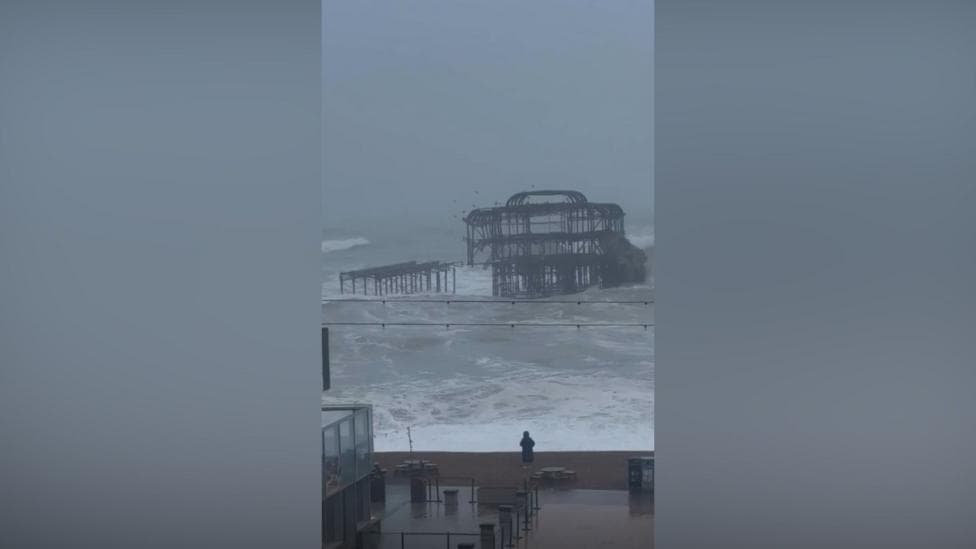
"No, we're having the conversation with people about being better prepared because we're living in a world where unexpected events seem to be becoming more and more common. Obviously, weather events, and we're in a situation today where the UK is facing storms and obviously, we feel for the people without power in Cornwall right now. It is just having those supplies in the house to get you through those moments. So we are having that conversation about resilience."
Are other countries giving similar advice?
The three-day preparedness recommendation is not unique to the UK. Treasury minister James Murray noted that neighbouring countries including Ireland, France and the Netherlands have issued comparable guidance for some time. This international alignment suggests that household emergency preparedness has become a standard element of national security planning across Europe.
However, not all government figures have fully embraced the advice themselves. When questioned on BBC Breakfast, Murray acknowledged that he had not yet followed the government's guidance, though he noted he maintains a stockpile of coffee at home.
"I'm not going to pretend I've followed all that advice myself yet."
Conservative leader Kemi Badenoch said she was "stocked up for the week at any time", and noted that the previous Conservative government had issued similar emergency preparedness advice. However, she expressed concern that the current government was not adequately explaining the specific risks facing the country or detailing its response measures.
"What I'm more concerned about is that it doesn't look like [the government] are explaining what the risks we are under are, and what they are doing about the big things. Families can stock up but what's going on with defence, the cyber attacks, the hybrid warfare? The money to look after the country has not been forthcoming."
What does the full emergency checklist include?
The government's comprehensive checklist covers multiple categories of supplies. For water and food, households should aim for nine litres of water per person—sufficient for three days—alongside non-perishable items such as tinned meat, vegetables, dried fruit and other shelf-stable foods. Communication and information access requires an FM radio, either battery or wind-up powered, to receive BBC broadcasts of news and health information during power outages.
Health and hygiene supplies include hand sanitiser, wet wipes, toiletries and a first aid kit. Households should also prepare for potential payment system failures by keeping cash on hand. Additional items recommended are blankets, a torch with spare batteries, a charged power bank for devices, copies of important documents, essential medicines, and any household-specific supplies such as baby formula or pet food.
What happens next with the government's preparedness campaign?
The government published updated household emergency advice on 22 October as the first stage of a three-year preparedness campaign. This extended timeline suggests that the government intends to embed emergency preparedness into public consciousness gradually, encouraging households to build supplies incrementally rather than through panic-buying.
The campaign represents a shift in how the government communicates about national security threats. Rather than focusing solely on large-scale institutional responses, the approach emphasises individual and household-level resilience as a complement to government action. The wildfire summit in Liverpool brought together fire and rescue services to discuss preparedness strategies, reflecting the multi-layered approach the government is taking to address emerging threats.