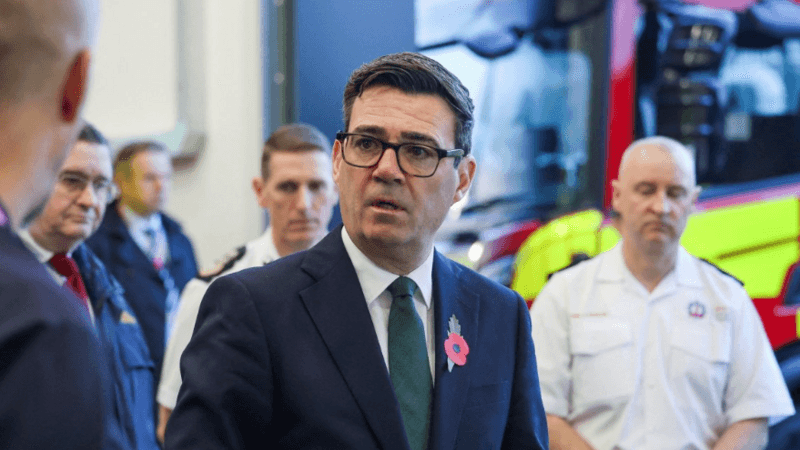
The government is urging all households to keep three days' worth of food and water on hand to prepare for potential national emergencies, according to BBC News. The "Be Ready" campaign warns that severe weather and cyber attacks could disrupt essential services, and British families need to ensure they have supplies to manage through a period of disruption. Prime Minister Andy Burnham stated that unexpected events "seem to be coming more common" and households should maintain "those supplies in the house to get you through those moments."
As disaster planning experts highlight that the UK lags significantly behind neighbouring countries in emergency preparedness, understanding what to stockpile and why has become increasingly important for households across the nation.
What items should households keep in reserve?
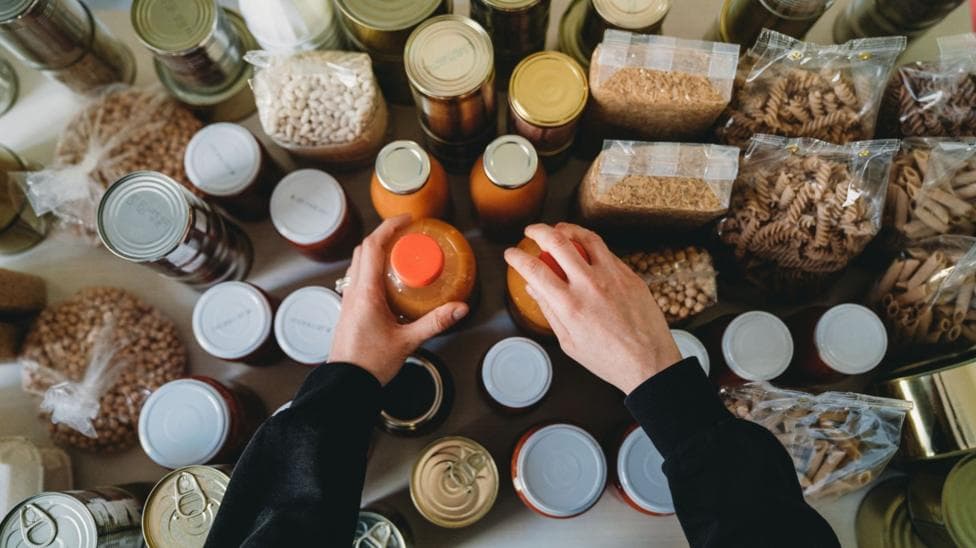
The government recommends maintaining enough supplies in the kitchen to last three days, with bottled water and non-perishable foods forming the foundation of any emergency store. Beyond food and water, the official checklist includes wet wipes, a torch, and cash. According to the government's preparedness guidance, the water recommendation specifies three litres per person per day for drinking purposes. The checklist also advises keeping a battery-powered or wind-up FM radio, blankets and warm clothing, a first-aid kit, and supplies for babies and pets.
Disaster planning expert Professor Lucy Easthope explained that the purpose of encouraging household preparation is to reduce pressure on emergency services during a national crisis. She noted that if people maintain an extra 48-hour supply of essential medications such as heart pills,
it stops [response crews] from having to immediately find an emergency pharmacist.The government similarly advises those requiring medication to keep additional supplies available.
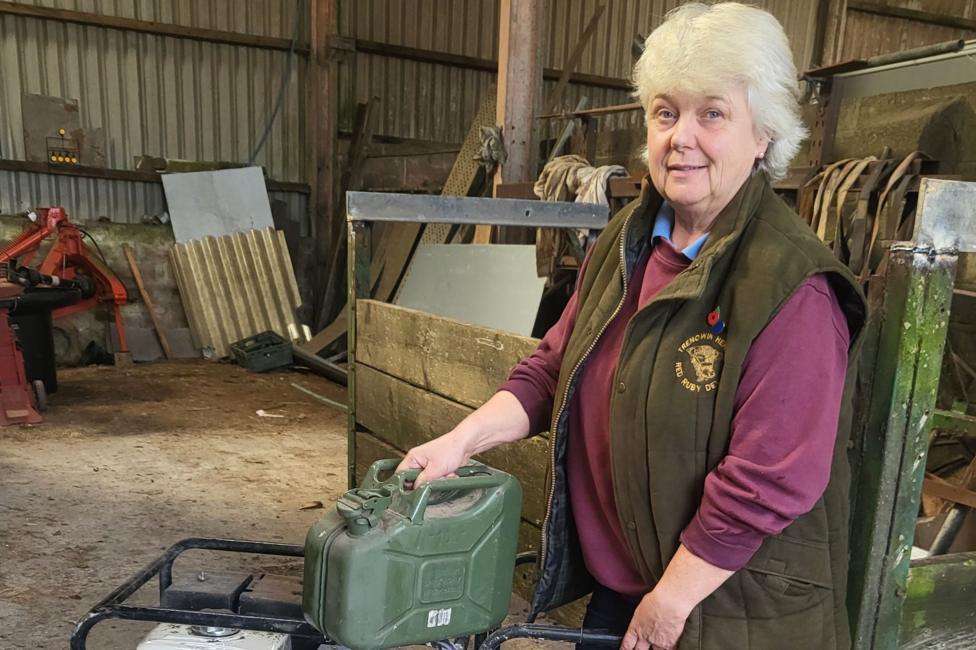
Some households have already begun stockpiling well ahead of the official campaign launch. Bridgette Clamp, who lives near Penzance in Cornwall, told Radio 5 Live that she has accumulated
lots of tinned goodsas well as
flour, yeast and everything to bake bread.She added that
we're rocking and rollingwith her preparations. Following Storm Goretti earlier in the year, Bridgette also purchased generators and water pumps to protect her household.
Another woman who spoke anonymously to Radio 5 Live acknowledged buying
loads and loadsof emergency food supplies, though she ended up consuming them before they were strictly necessary. Like others, she questioned whether the government was
scaremongering, while admitting that
I've certainly bought into it.
Rob, who lives off-grid in north Wales, told the programme he has accumulated so many supplies that he
wouldn't even noticeif a disaster struck. However, he expressed concern that there was
a bit of scaremongeringinvolved and questioned whether he would ever need all of his stockpiled items.
The government advises checking what is already at home, adding missing items gradually during regular shopping trips, and reviewing supplies every six months to ensure freshness and relevance. For those on utility company Priority Services Registers, the government recommends confirming registration, as these registers help utility companies identify customers who may need extra support during an emergency.
Why is the government launching this campaign now?
Defence Secretary Wes Streeting stated that the advice—which mirrors guidance issued by the previous government—was not prompted by any specific intelligence threat, but rather aimed at improving
national resilienceacross the country. The government's announcement centred on extreme weather events, which are becoming more frequent due to man-made climate change. Streeting also highlighted the threat of
increasingly sophisticated cyber-attackson businesses and supply chain disruption caused by
hostile state actors or terrorists.
Professor Easthope revealed that she has been urging the government to launch such a campaign for approximately 16 years. She suggested that successive governments had been reluctant about
putting out information that might cause tensionand speculated that this advice may have been
rushedout ahead of Storm Austen hitting the UK.
Research indicates that public concern about emergency preparedness is significant. According to recent polling data, only 13% of people feel prepared for being cut off from services, while 84% want the government to share more information about preparedness. This gap between current preparedness levels and public desire for guidance underscores the importance of the government's initiative.
How does UK preparedness compare internationally?
Professor Easthope described the United Kingdom as
light yearsbehind neighbouring countries in terms of emergency preparedness. She noted that
countries like Scandinavia, Denmark, Sweden, Norway, they've been good at this for years.France advises households to store 72 hours' worth of food, while the German government recommends that homes maintain enough supplies to last for a 10-day period.
The three-day preparedness approach used by the UK is also employed in France, Ireland and the Netherlands, indicating a broader European consensus on emergency readiness. Awareness campaigns such as
think 72 hourshave made a significant difference in the US, Australia and
all around Europe,according to Easthope.
In the United Kingdom, however, disaster messaging often faces ridicule, or governments are accused of
panic-mongering.Easthope observed that
we have seen the pendulum shiftin recent years, noting that
we are now seeing people recognise thisas an issue requiring urgent attention. She emphasised that
this is one area where I'm very comfortable saying we are playing massive catch-up.
One resident from Torquay, Devon, expressed scepticism about the practicality of the recommendations. Paul told Radio 5 Live:
Who on earth carries three day supply of water?He added that
I think they've made it our responsibility, rather than their responsibility.
What happens next with the campaign?
The government has indicated that this campaign represents the first stage of a three-year effort, with advice and public information set to build gradually over time. The initial focus on household checklists and basic preparedness will expand as the campaign develops, allowing households time to build their supplies incrementally rather than facing pressure to purchase everything at once. This phased approach aligns with government guidance encouraging people to add missing items gradually during regular shopping trips, making emergency preparation an affordable and manageable process for most households.