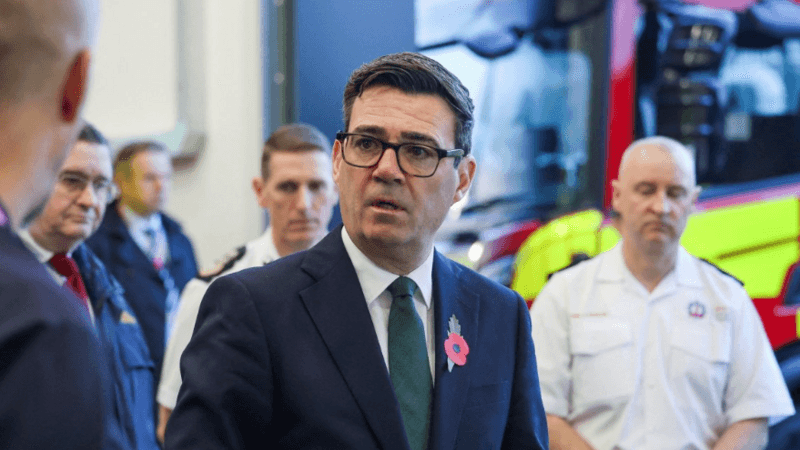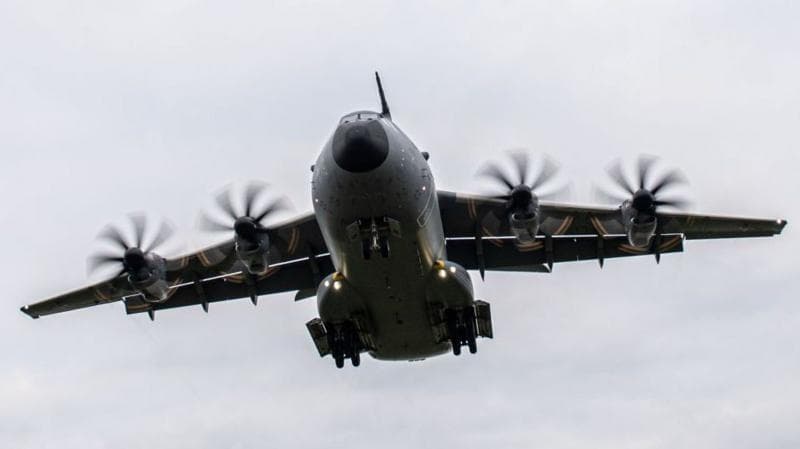
The UK government is establishing its first permanent military aerial firefighting capability, with Royal Air Force Chinook helicopters and A400M transport planes now equipped to support civilian fire services across all four nations. Prime Minister Andy Burnham announced the initiative ahead of the government's inaugural wildfire resilience summit, held on 23 October at the National Resilience Centre of Excellence in Aintree, Liverpool.
According to BBC News, civilian fire services will be able to request military aircraft support when tackling blazes on difficult terrain such as remote moorland and steep hillsides. Defence Secretary Wes Streeting confirmed this marked the first time the RAF's Chinooks and four-engine A400Ms have been equipped for wildfire operations. Forces News reported that the government described the aircraft plan as the UK's first military aerial firefighting capability based permanently in the country.
The announcement follows a record-breaking summer 2026 that saw 1,350 wildfires recorded in England and Wales—an all-time high and an increase of more than 300 on the previous year and more than 1,000 compared with 2024, according to figures from the National Fire Chiefs Council. Records for wildfire numbers were also broken in 2022 and 2025, though the UK's Climate Change Committee has warned the risk will continue to rise in the coming decades.
Burnham said the measures were essential because
we cannot put people through another summer like this one. He recounted witnessing the aftermath of a wildfire that destroyed 19 homes in Stourbridge, West Midlands, in August, stating
I stood in Stourbridge and watched families lose everything. I will never forget it. Our firefighters were heroes that day, but heroes shouldn't have to fight with one hand tied behind their backs.
How will the military aircraft be used?
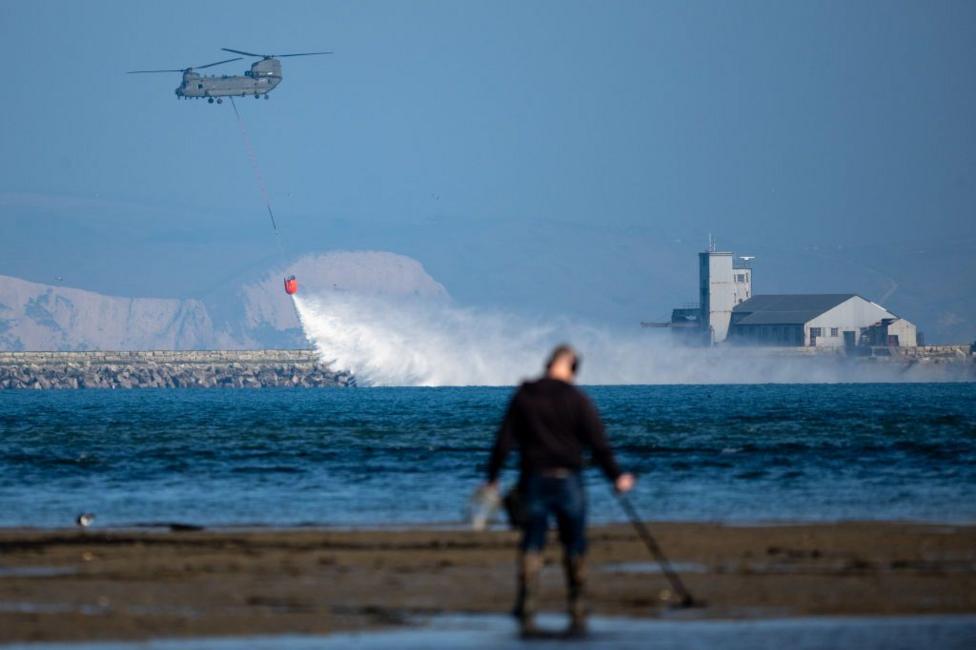
Chinook crews have already demonstrated their capability by practising water collection and deployment from firefighting buckets in Portland harbour. RAF Chinook crews have previously assisted with wildfire response operations in Cyprus. The aircraft will be available for deployment when fire services determine that aerial support is needed to combat blazes in locations where ground-based crews face significant access challenges.
The summer's major incidents included blazes across Scotland's Cairngorms, Northern Ireland's Mourne Mountains and Wales's Rhinogydd mountains, with some areas receiving no air assistance during the peak of the crisis. Earlier this month, MPs on the Environment, Food and Rural Affairs Committee identified weaknesses in the UK's wildfire preparedness, including limited access to aerial firefighting resources, difficulties securing water supplies during major incidents and gaps in coordinating resources at a national level. The committee concluded that
the current system for obtaining aerial firefighting support was no longer fit for purpose.
What additional support is the government providing?
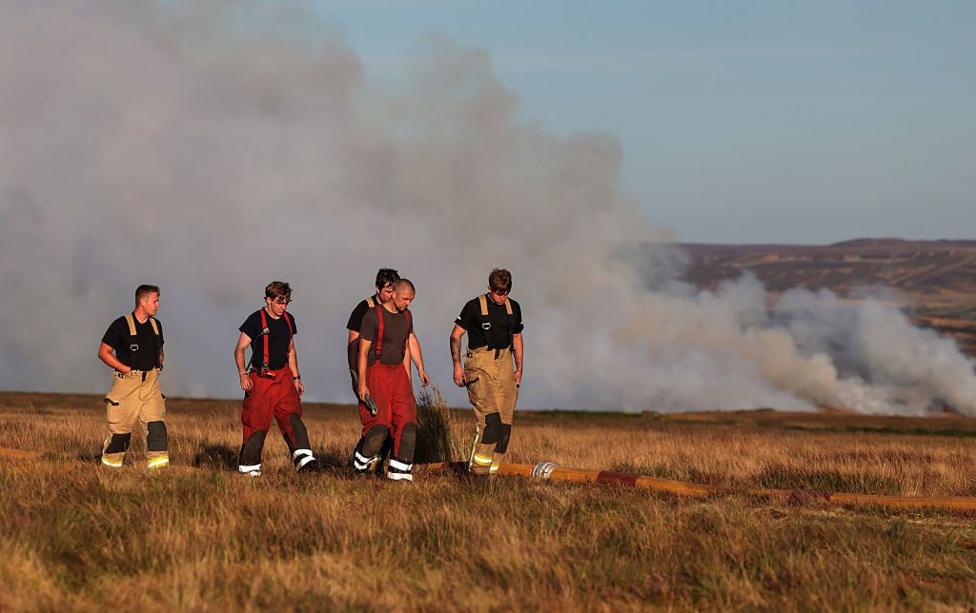
Beyond military aircraft deployment, the government will invest £45m in wildfire-specific personal protective equipment for firefighters on the ground. ITV News reported that the new equipment is lighter and more breathable than current firefighting gear, which was designed for building fires and is not intended for extended wear, allowing crews to wear it for longer periods during wildfire operations.
Ministers are also pledging a £25m scheme running from April 2027 to April 2029 to restore dried-out peatlands in England, transforming them into natural firebreaks. The government will provide financial support to farmers to fireproof their land through measures such as digging ponds. Additionally, the government will examine tougher local restrictions or product bans to prevent people from starting fires when risk levels are high, building on a temporary ban on disposable barbecues implemented during the summer crisis.
What new technology and coordination measures are planned?
LBC reported that a Wildfires AI Unit will be announced to combine universities, tech firms and officials on the Cobra emergency committee, alongside improved Met Office wildfire forecasts and closer coordination with devolved governments. Forces News noted that Airbus, Google and VodafoneThree were among the businesses attending the summit to discuss technology including satellite monitoring, early warning systems and connectivity solutions.
In August, the government convened a Cobra meeting before sending an emergency alert to millions of phones across England and Wales—a decision that sparked criticism from some members of the public. The new coordination framework aims to improve the speed and effectiveness of national response mechanisms.
What does the climate context reveal?
Summer 2026 was the UK's hottest on record, according to the Met Office. In a study examining how human-induced climate change affected this summer, the Met Office found that the heat experienced was made 130 times more likely by human activity. Environment Secretary Dame Angela Eagle stated that
the wildfires that tore through our countryside this summer showed the urgent need to adapt to our changing climate, adding that
nature is our greatest ally in preventing wildfires starting in the first place.
What happened during the summer crisis?
Major incidents were declared for wildfires in 2026 at locations including Dunwich Heath and RSPB Minsmere in Suffolk, the Cairngorms, Hampshire and Holme Fen in Cambridgeshire. Scotland subsequently announced plans to keep helicopters on standby when wildfire risk is high, following delays in aerial support during the Cairngorms blaze that burned for nearly five weeks. Around 100 troops and an Army helicopter were deployed to help fight wildfires across Wales, as homes were evacuated near Llandovery and Cwmavon and a national emergency alert warned of very high wildfire risk.
What happens next?
The government is arranging an intergovernmental meeting with the devolved administrations to coordinate a UK-wide response to wildfire risk. Burnham said the response to the summer's fires showed the
best of Britain, and the summit brought together fire chiefs, local leaders and experts from technology companies to develop a comprehensive strategy for preventing, responding to and recovering from future wildfires. England's first dedicated wildfire action plan was also announced as part of the government's commitment to building resilience against what officials increasingly recognise as a new climate-driven reality for the UK.