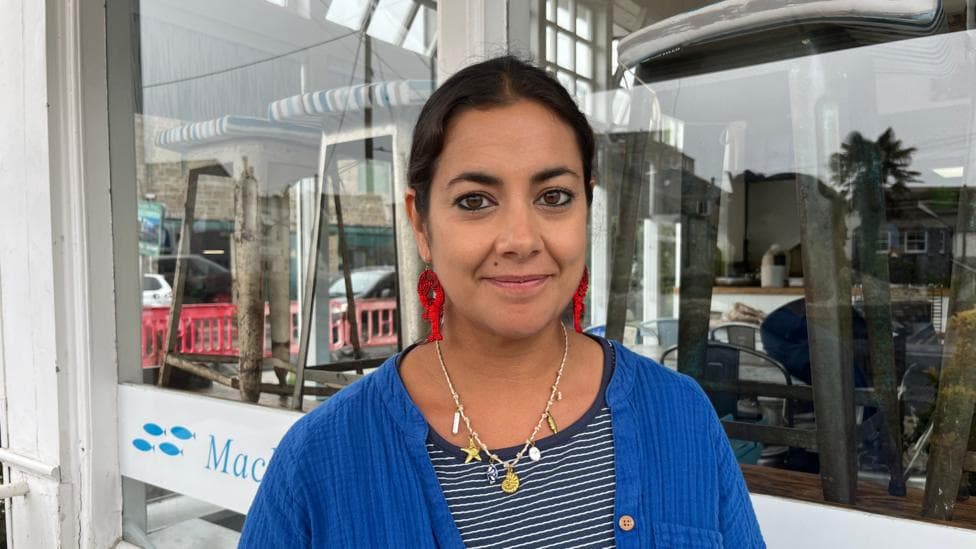
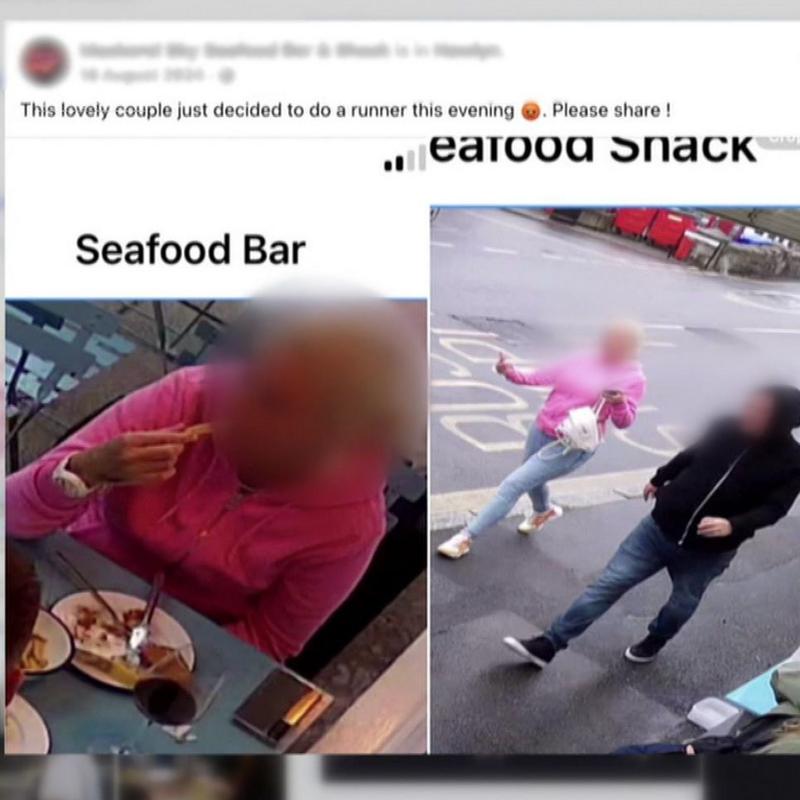
Restaurants and pubs across Devon and Cornwall are facing a mounting crisis of customers who eat meals and leave without paying, sometimes fabricating evidence of contamination to avoid bills. Nina Maclean, owner of Mackerel Sky Seafood Bar in Newlyn, has documented dozens of such incidents on CCTV, revealing a troubling pattern where diners deliberately plant objects in their food to claim damage and dispute charges.
One particularly brazen case involved a family who inserted plastic into their bread, then claimed they had chipped a tooth while eating. When Maclean attempted to track down the offenders through social media, the couple eventually contacted her requesting removal of their images—but only if she would cancel their bill, which she refused.
"Afterwards, the couple did call us to ask if we could remove their faces from social media and we said we'll happily remove the post if they pay the bill which they refused to do - ultimately it's theft,"Maclean explained.
The problem extends far beyond isolated incidents. According to figures obtained through a freedom of information request, Devon and Cornwall Police received 234 reports from hospitality businesses since 2022 of customers making off without paying. When including all retail outlets such as petrol stations and shops, the total climbs to 2,802 incidents across the force's area.
How widespread is dine-and-dash in the hospitality sector?
The issue affects roughly a third of restaurants nationally, according to UK Hospitality data, indicating this has become a wider trend affecting establishments across the country rather than a localised problem. In Newlyn alone, multiple venues have experienced repeated incidents.
Trevelyon Worth, general manager of The Swordfish pub, reported that customers had walked out on bills totalling £140 and £380 within a single year. After posting details on social media, one customer eventually settled their account, though the other case remains unresolved.
"The highest damage aside from the finance is trust,"Worth said.
"You go into a lot of businesses these days and you are expected to pay up front. I still operate on trust."
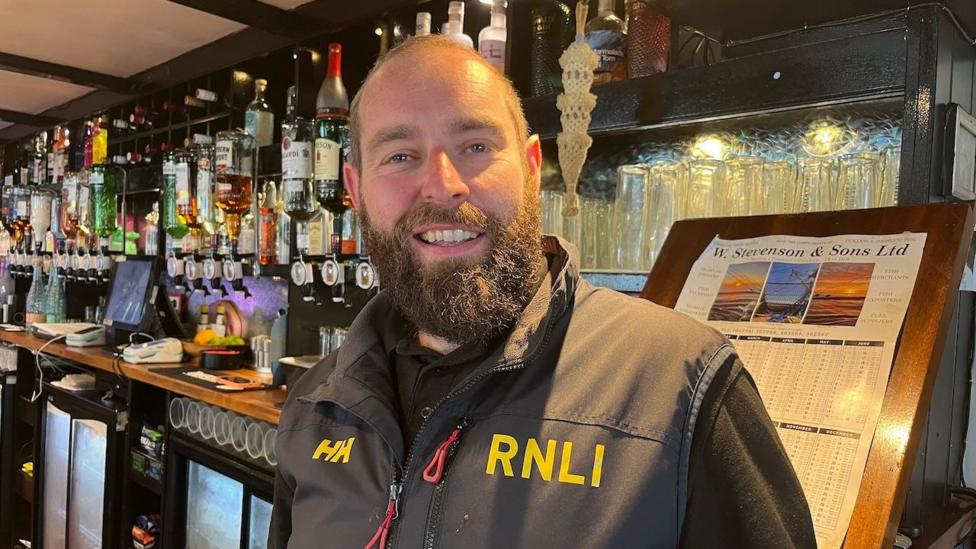
Nicholas George, co-owner of the Fisherman's Arms in Newlyn and proprietor of The Logan Rock Inn near Porthcurno plus two establishments on the Isles of Scilly, has adopted a different approach.
"We've had four or five events and we've traced them down through social media and they have paid every single time."He now requires payment at the point of ordering for customers dining outdoors or those unfamiliar to his staff.
A separate incident under investigation illustrates the ongoing nature of the problem. Devon and Cornwall Police is investigating a July 25 incident at The Oyster Shack in Bigbury, and has asked anyone with information to quote reference 50260196491.
Why do police discourage social media appeals?
Law enforcement officials have issued a clear warning against restaurants using social media to pursue offenders, citing serious risks to investigations and innocent parties. Sergeant Chris Chaloner from Devon and Cornwall Police emphasised that posting images online can compromise police inquiries and lead to misidentification.
"It's theft and we should be dealing with that. My advice would be to not to put anything out on social media, report to the police, send us the evidence and we'll do the rest."

Temporary Chief Superintendent Antony Hart reinforced this message, explaining that once an image is posted online it becomes nearly impossible to fully remove, and innocent people risk being wrongly identified.
"This can cause significant distress to innocent people and their families. Extra care should also be taken where children or young people may be captured in footage or images."
Hart also warned that publishing images before police inquiries conclude can actively hinder investigations.
"Publishing images before police inquiries have been completed can also affect an investigation. It may influence potential witnesses, impact formal identification procedures, or alert suspects to police interest, which can make inquiries more challenging."He noted that where police do need public assistance identifying suspects, they can release images
"in a controlled and lawful way, in line with national guidance and legislation."
Maclean acknowledged the limitations of police resources in addressing the issue.
"I don't think there is a lot the police can do, which is a shame because then it doesn't discourage people from doing it, but you just have to hope that people are going to be honest, and the majority of people are honest and decent."
What is the legal status of dine-and-dash?
Sergeant Chaloner confirmed that deliberately eating at a restaurant and leaving without payment constitutes a criminal offence under theft law. However, he acknowledged that the force lacks sufficient intelligence on the issue, as reported incident rates have historically been low.
"It's theft and we should be dealing with that,"he stated, urging businesses to report directly to police rather than attempting their own investigations.
The problem has been described in stark terms by the judiciary. A judge characterised dine-and-dash in Cornwall as an "epidemic" during a 2024 case involving a man sentenced for handling stolen property and absconding without payment, underscoring the seriousness with which courts view the offence.
This issue connects to broader retail crime challenges in the South West. South West shopkeepers have begun using a new police app to report theft and coordinate community responses, which has helped double the prosecution rate for shoplifting crimes from 16% to 31% since June 2026, suggesting that improved reporting mechanisms can yield results.
What should businesses do if targeted?
Police have provided clear guidance for hospitality venues experiencing dine-and-dash incidents. Rather than posting images on social media, businesses should report incidents through official channels, providing evidence directly to law enforcement. This approach protects investigations, prevents misidentification of innocent parties, and allows police to pursue cases systematically.
Businesses experiencing dine-and-dash are encouraged to contact Devon and Cornwall Police on 101 or through the force's official website to report incidents and provide CCTV footage or other evidence. Inquiries continue into reported cases, including the Bigbury incident referenced above.
Key Facts
- Devon and Cornwall Police recorded 234 dine-and-dash reports from hospitality businesses since 2022, rising to 2,802 when including all retail sectors
- Approximately one-third of restaurants nationally are affected by dine-and-dash incidents, according to UK Hospitality
- Police warn that posting suspect images on social media can hinder investigations, wrongly identify innocent people, and cause distress to families
- Deliberately leaving a restaurant without payment is a criminal offence classified as theft
- Businesses are urged to report incidents to police on 101 rather than pursuing offenders through social media