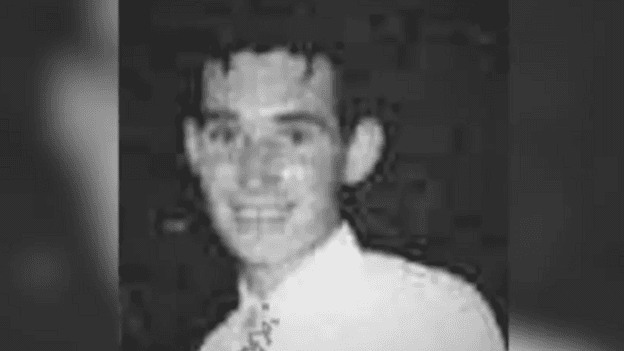
The Ministry of Defence has reached a settlement with the family of Thomas Aquinas "Tommy" Burns, a former Royal Navy serviceman shot dead in Belfast over five decades ago. The civil action, which also involved the PSNI Chief Constable, has been resolved with what the MoD described as a "significant payment" to Burns' daughter Patricia and other family members.
Burns, a father of four who had completed more than eight years of naval service before returning to Belfast in 1965, was fatally shot in the chest on 13 July 1972 as he attempted to leave the Glenpark Social Club in north Belfast. An MoD spokesperson stated the department was "glad to have been able to" settle the claim "given Mr Burns' past service in the armed forces."
The civil action was initiated in April 2019, according to legal records of the settlement. The case represents one of several ongoing efforts by families of those killed during the Troubles to secure accountability and clarification of the circumstances surrounding deaths at the hands of state forces.
The inquest history and legal obstacles
An inquest into Burns' death took place in April 1973, when a jury concluded the death was misadventure. However, in June 2019, then-Attorney General for Northern Ireland John Larkin acknowledged this verdict was incorrect but declined to order a fresh inquest at that time.
The situation changed in 2023 when Attorney General Dame Brenda King directed that a new inquest should proceed. That process was abruptly halted when the then-Conservative government's Legacy Act came into force, which suspended all legacy inquests in Northern Ireland that had not yet opened and heard evidence. Nine inquests that were stopped under the old Legacy Act have since been cleared to resume, though Burns' case was not among them.

The current Labour government has committed to replacing the Legacy Act with new Troubles legacy legislation. According to a UK government statement, the administration is moving to restore civil claims and remove immunity provisions that had shielded state actors from legal accountability.
What the settlement means for the family
Patricia Burns, Thomas's daughter, characterised the MoD settlement as "just one legal mechanism in what is required to correct the public record." She emphasised that the family remains committed to obtaining a fresh inquest, which was authorised in 2023 but subsequently withdrawn under the Legacy Act.
Last month, lawyers representing the Burns family contacted the Prime Minister and the Secretary of State for Northern Ireland requesting a meeting to discuss their case and the path forward toward a full inquest.
"We remain hopeful of state accountability for our father's killing through the fresh inquest process which was granted in 2023 but cruelly withdrawn under the Legacy Act"
Government reforms and veteran protections
The government's approach to Troubles legacy issues reflects a broader effort to balance competing interests. According to government guidance on legal rights restoration, the administration is working to provide protections for Northern Ireland veterans, including safeguards against repeated investigations and anonymity provisions where appropriate.
The Northern Ireland Troubles Bill, which encompasses these reforms, remains a government priority. According to an August 2026 government statement, the Bill was in committee stage in the House of Commons and would continue its progress through Parliament as soon as possible, though no specific date for a final vote has been announced.
What happens next
The Burns family's case now depends on two parallel tracks: the civil settlement already reached, and the ongoing campaign for a fresh inquest. The Northern Ireland Troubles Bill continues to progress through Parliament, and its eventual passage could determine whether inquests like Burns' are permitted to proceed. The family has made clear their determination to pursue accountability through all available legal mechanisms until the circumstances of Thomas Burns' death are fully and publicly examined.
Key facts
- Thomas Aquinas "Tommy" Burns was shot dead on 13 July 1972 while leaving the Glenpark Social Club in north Belfast
- The Ministry of Defence has settled a civil action brought by the Burns family, also involving the PSNI Chief Constable, with a "significant payment"
- A fresh inquest was authorised in 2023 but suspended when the Legacy Act came into force; nine other suspended inquests have been cleared to resume
- The current government is seeking to replace the Legacy Act with new Troubles legacy legislation that restores civil claims and removes immunity provisions
- The Burns family continues to pursue a full inquest as the primary mechanism for establishing the public record of Burns' death