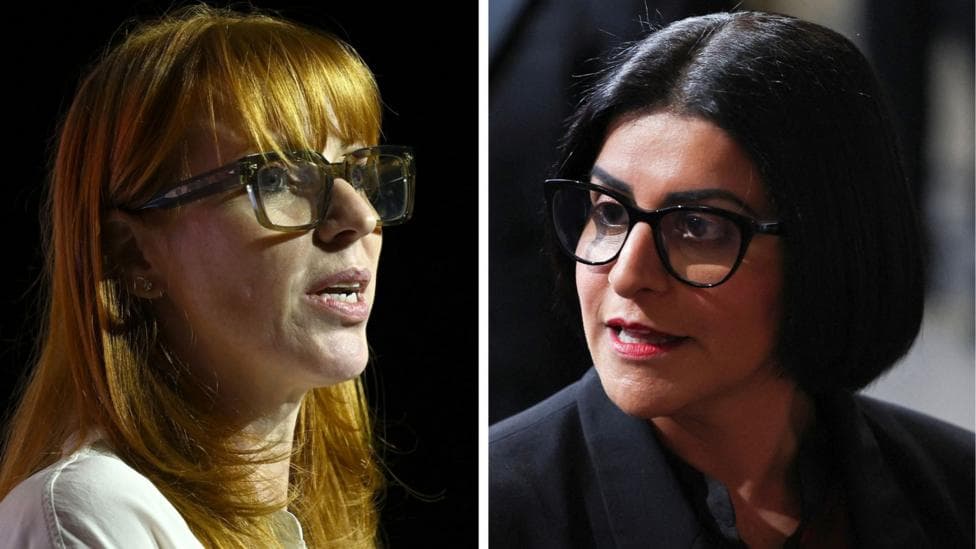
Housing Secretary Angela Rayner has expressed concern about Home Secretary Shabana Mahmood's proposals to extend the time foreign workers must wait before qualifying for permanent residency in the United Kingdom, describing the changes as unfair and disruptive to people who arrived expecting different rules.
In remarks to the Times ahead of Labour's annual conference, Rayner questioned the fairness of altering settlement requirements for migrants already living in Britain. Under Mahmood's plan, most foreign workers would need to wait 10 years to qualify for indefinite leave to remain instead of the current five years, while those on health and social care visas would face a 15-year wait. According to external research, some people who have relied on benefits for more than 12 months could face a 20-year wait.
Rayner's intervention represents a significant moment of public disagreement within the cabinet on a major policy inherited from Prime Minister Andy Burnham's predecessor, Sir Keir Starmer. The Housing Secretary, who previously served as deputy prime minister under Starmer and was brought back into cabinet by Burnham in July, has now made clear her position twice: she opposed the retrospective elements in June, and her concerns remain unchanged.
Why is Rayner concerned about changing the rules?
Rayner told the Times she was troubled by shifting
the goalposts years down the linefor people who arrived in the UK at the beginning of this decade expecting to secure permanent residence under the current rules. She characterised the potential rule change as
very disruptiveand stated:
I do have concerns about that.
The Housing Secretary highlighted the impact on foreign care workers who
moved their lives here to look after our loved ones, emphasising that applying new settlement rules retrospectively to people already in the country would be unfair. She has previously said such changes would be
wrong.
Rayner's position has been echoed by York Central Labour MP Rachael Maskell, who told the Today programme that
technically and morallywhat is being proposed represented
the wrong set of valuesand would affect
people who have come [to Britain] to serve faithfully and are then told that they have to wait another 10 yearsto secure British citizenship.
What pressure is the government facing?
Trade unions have intensified calls for the government to reconsider. Unions have urged ministers to soften the planned immigration changes, arguing that the proposals would also hit people already living in the UK, including those expecting permanent residence soon. A letter to Mahmood jointly signed by dozens of Labour MPs at the start of the year described the plans as
un-British.
The scale of internal party concern is evident from moves within the parliamentary Labour group. Labour MPs are considering a non-binding vote to show opposition to Mahmood's migration plans, with critics focused on the proposal to apply new settlement rules to people already in the UK.
Before becoming prime minister, Burnham signalled openness to Rayner's concerns, telling reporters in June that Labour
would do well to listen to what Angela has to sayon the migrant visa changes. Rayner has confirmed to the Times that Mahmood is aware of her position and that she has
not changed [her] viewsince re-entering the cabinet.

How is the government responding?
Culture Secretary Lisa Nandy rejected the characterisation of the plans as
un-British, telling BBC Radio 4's Today programme:
I don't think they are un-British because I don't think that we have ever had an automatic right to citizenship for most people who come to the UK from overseas.
Nandy framed the government's approach as balancing respect for migrants
regardless of who they or where they standwith the need for
an immigration system that people have confidence in. When asked whether Labour could change its mind on the proposals, she told Today:
We always reserve the right to change our minds but we also will reserve the right to stick to our plans if we think we are getting them right.
The Culture Secretary emphasised that the government will not
change the rules of the gamein a way that unfairly disadvantages migrants who have contributed to the UK. She said it would
strike the right balancebetween treating people
fairly and decently as human beings but making sure there is an asylum and immigration system people can have confidence in.
Nandy's measured language—emphasising fairness to those who have contributed rather than offering a full-throated defence of applying changes retrospectively—suggests the government may be reconsidering the most contentious elements of the overhaul. Home Secretary Mahmood faced questions about the changes during an appearance at the Home Affairs Committee earlier this week, where she acknowledged the timing implications of the current rules.
What did the Home Secretary say about the timeline?
Mahmood told the Home Affairs Committee that she was
very aware that a large group of people who arrived in 2022, absent any change, would qualify in February 2027for permanent settlement. She added:
Later this year we will set out the new policy on settlement... as well as any transitional arrangements we might decide to implement.
The Home Secretary's reference to potential transitional arrangements—different rules for people already in the country—hints that the government may exempt existing migrants from the new, longer waiting periods. The Home Office says the changes would not require legislation, which means they would not automatically be put to a vote, giving the government flexibility to adjust the policy without parliamentary approval.
What is the broader context?
The settlement overhaul is part of a wider immigration reset. In March, Mahmood set out immigration plans that included an
earned settlementmodel, under which migrants would need to meet new requirements and a longer qualifying period to settle in the UK. The consultation on this model attracted significant response from stakeholders, with the Home Secretary signalling that major changes to the proposed route to settlement lie ahead.
If the government does reverse course on applying these changes to those arriving from 2021 onwards, the large numbers who came to the UK after that date would have a quicker and easier route to settlement. That distinction would represent a dividing line with the Conservative and Reform UK parties, which those opposition parties will be keen to highlight in future political debate.
What happens next?
The government is expected to decide on the immigration overhaul by the end of the year. The planned changes are expected to be set out later this year following the consultation and ministerial review, with any transitional arrangements to be confirmed at that time.
Key Facts:
- Under current proposals, most migrants would wait 10 years instead of five years to qualify for indefinite leave to remain; health and social care workers would face a 15-year wait
- Housing Secretary Rayner has publicly opposed applying new settlement rules retrospectively to people already in the UK, calling such changes unfair and disruptive
- Dozens of Labour MPs have signed a letter describing the plans as un-British, and trade unions have urged the government to soften the proposals
- The Home Office can implement the changes without legislation, meaning they would not automatically require a parliamentary vote
- The government is expected to announce its final decision on the immigration overhaul by the end of the year