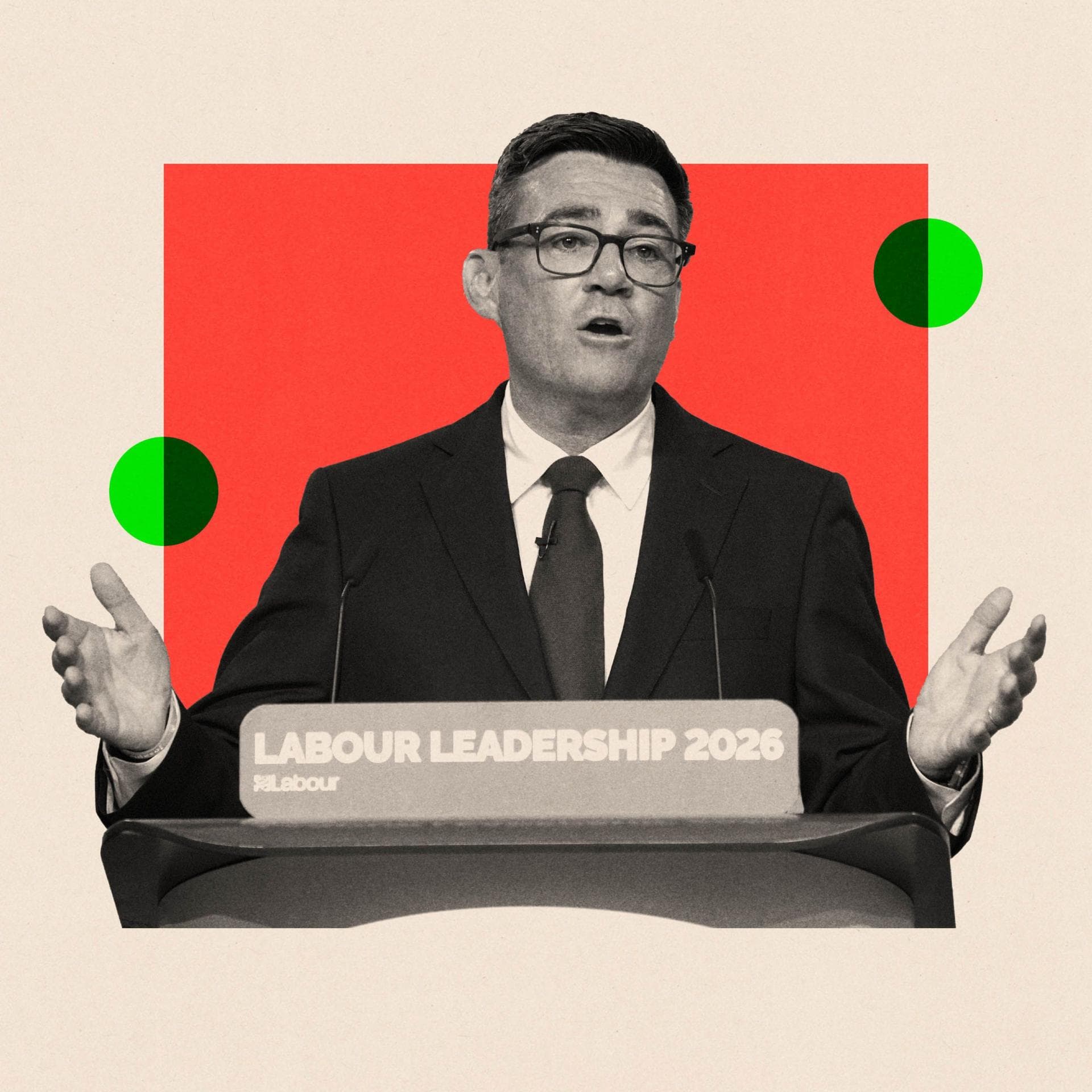
Andy Burnham has settled into his role as prime minister with visible ease, according to those working alongside him in government. Having been elected Labour leader on 16 July 2026 and taking office shortly afterward, he now leads a party in markedly better spirits than it was a year ago. Yet beneath the current mood of optimism lies a set of economic pressures that could fundamentally reshape Labour's political fortunes in the months ahead.
Party insiders describe a transformation in the atmosphere within Labour ranks. One government insider notes simply that the prime minister enjoys his position, while conversations with MPs, ministers and advisers reveal a party in a substantially happier state than at the same point the previous year. The contrast is striking: there are no whispers of leadership challenges, no stirrings of internal revolt, and even those with reservations about the government's direction frame their concerns as constructive rather than critical.
The improvement stems partly from straightforward arithmetic. As one cabinet minister explains,
people like the new prime minister more than they liked the old one – that's the truth of it. Another minister adds that
there is no appetite for destruction – very little naysaying. The party has also edged upward in polling, with one senior figure crediting what some are calling
the Burnham bounce– whether measured in the numbers or felt in the energy of internal meetings.
Those working in Downing Street also point to what they describe as a more effective political operation. Ministers report clearer decision-making and better guidance when needed. One government source observes wryly that
it's unfair to compare the end of a regime which is always pretty nasty, with the arrival of a new one which is always more hopeful… these things can change. Burnham, who now serves as the country's eighth Labour prime minister, is expected to use his conference speech to argue that Britain needs to be honest with itself about the need for change.
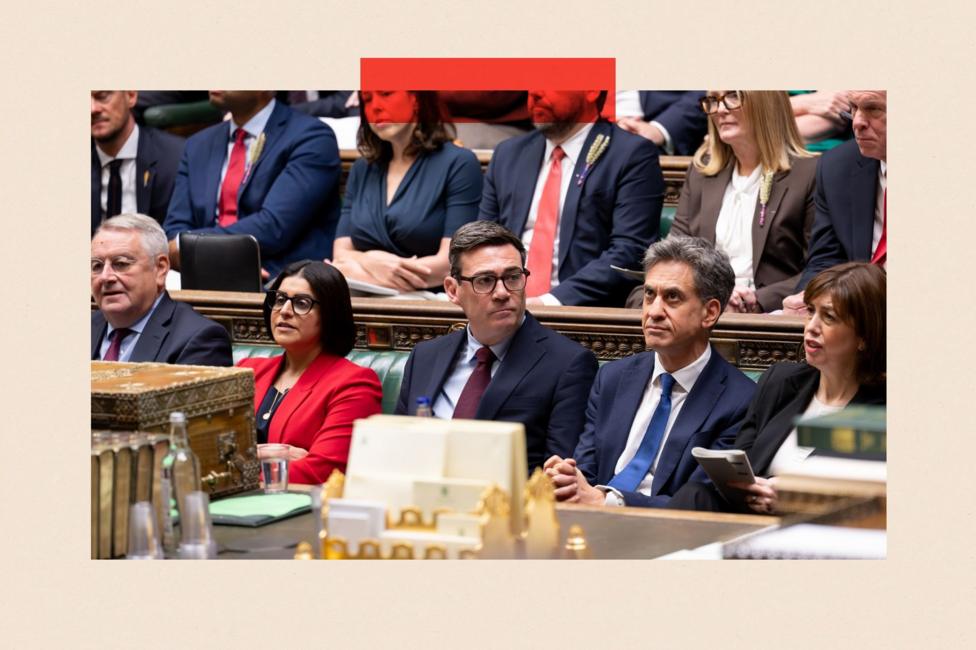
The prime minister is known for his connection with Labour's grassroots membership, his emphasis on social justice, and his willingness to invoke the party's traditional themes – criticism of Margaret Thatcher's legacy, opposition to privatisation, and the regional inequalities between north and south. Party members are keen to hear him expand on concepts that have featured prominently in his messaging but remain somewhat undefined:
public controland
re-industrialisation. There are also whispers of announcements in the coming days on housing and defence policy.
What economic challenges lie ahead?
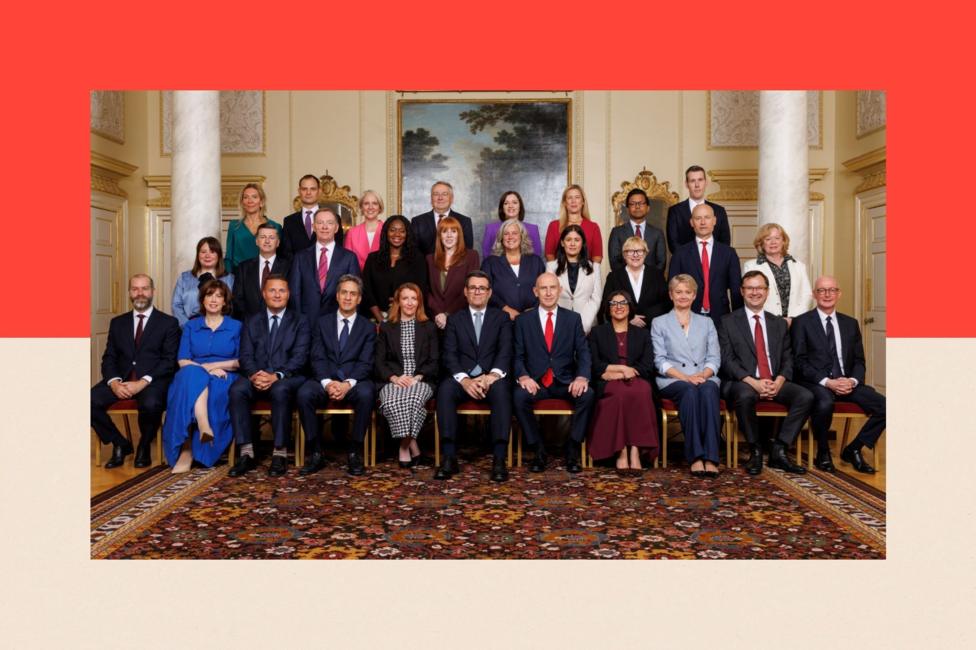
Yet the feel-good factor masks a far grimmer reality that Burnham will have to confront. While he presses the flesh at party events, Chancellor John Healey faces the harder task of preparing a Budget due within weeks. The pressure on public finances is intense, with one well-connected senior figure describing the choice before the Treasury as
10 billion of cuts or 10 billion of tax rises. Treasury sources dispute that specific framing, but acknowledge that the rising cost of servicing the nation's debt weighs heavily on all calculations. Add to this the climbing welfare bill and mounting demands for defence spending, and the fiscal picture becomes increasingly constrained.
The timing is unusual: a party conference occurring just weeks before a major Budget creates an awkward dynamic, with economic reality looming over the gathering. The UK faces pressures beyond its control – geopolitical tensions affecting energy supplies and prices. Predictions suggest annual energy bills could rise by £500 in early 2027, a figure that will ripple through the entire economy. As one insider puts it,
we're really suffering at the hands of energy prices.
One influential figure expresses deep scepticism about whether Burnham and his team have grasped the scale of what is approaching.
The big economic challenges coming – rising housing costs, rising inflation, downward pressure on public spending because of the cost of borrowing, 500 quid on energy from January – I just don't see what the game plan is. There is particular nervousness about whether the new administration is sufficiently focused on generating economic growth rather than simply redistributing existing resources.

Is the government focused on growth?
One of Burnham's own advisors has publicly described the administration as a
traditional tax and spend socialist government with better TikTok– a characterisation that hints at internal concerns about the government's economic philosophy. Peter Kyle, the former business secretary, has expressed concern more diplomatically but firmly. He told colleagues:
We must act with more urgency, and we must feel the need for economic growth as acutely as we do about tackling things like rough sleeping and about social care, and some of the social reforms that we want because they are inextricably linked. Kyle is far from alone in the Labour Party in worrying that Burnham and Healey are more interested in spending money than in helping business generate it.
Budget speculation is already filled with discussion of potential tax increases on property and other assets such as stocks and shares. Meanwhile, the party's left wing is pressing for tax cuts for lower-paid workers and increased investment in public services. This creates a difficult balancing act for a government caught between competing demands.
What do Labour's supporters expect?
One prominent figure on the left has issued a stark warning:
Labour has a second hearing. One shot to get this right. It is beyond doubt that if they do not keep to the promises made to everyday people - workers and communities will turn their back. Union leaders are expected to renew calls for worker tax relief and greater public investment during the conference. The tension between these demands and the fiscal constraints facing the Treasury will define much of the coming months.
A senior government figure has predicted a dramatic shift in mood by Halloween, describing the Budget as
a disasterthat will fundamentally alter the political landscape. This grim forecast sits uneasily with the current atmosphere of optimism, but reflects a quiet creeping concern among those in power about whether Burnham's rhetoric of hope and change can be matched by the lived experience of ordinary people.
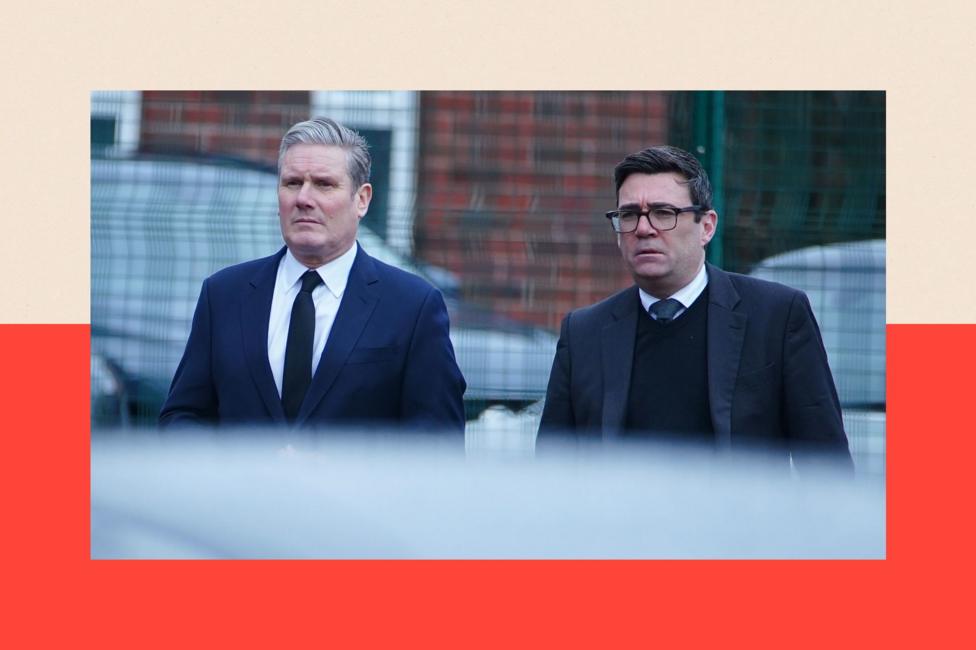
One senior source offers blunt advice:
His political will needs to be more bold than the machine around him – don't write cheques you can't cash. Another minister notes that it is easier to speak in sweeping terms about long-term ambitions than to address the immediate pressures facing households.
There is comfort in dealing with some of the largest possible questions because it's a way off delivering them. But the cost of getting to work, or getting across town is expensive, going out or staying in – that's right now.
How will ordinary people judge the government?
The gap between political messaging and household reality will ultimately determine Labour's fate. One minister observes that
if you go into Tesco and the cereal you buy is noticeably more expensive, that has more cut through than any political clip you see on telly or Facebook. The contrast voters will draw is not between the current moment and some imagined future, but between Burnham's administration and the regime it replaced. The question that will define the coming months is whether the goodwill generated by leadership change can survive when hard economic times arrive.
Labour's transformation under Burnham has been remarkable. The party that was fractured and demoralised a year ago now presents a united front, with members energised by a leader who speaks their language. Yet the minister's observation captures the central tension:
The contrast is not between now and hard times, but between the new regime and the old regime. If economic conditions deteriorate as many predict, that contrast will fade, and Burnham's feel-good factor will face its first real test.
What comes next for the government?
Burnham's conference speech is expected to set out his agenda in greater detail, with the prime minister likely to emphasise themes of renewal and change. Beyond the conference, the government faces a series of immediate challenges. The Budget will demand difficult choices about taxation and spending. Additionally, Burnham has indicated that artificial intelligence will be central to the UK's G20 presidency next year, signalling a focus on technology and future competitiveness. An emergency motion on Israel and Palestine could also emerge as a live issue during the conference, testing party unity on foreign policy.
The coming weeks will reveal whether Labour can maintain its current cohesion and optimism as the harder realities of governing take hold. For now, the party is enjoying a moment of relief and hope. But the economic pressures building in the background suggest that this honeymoon period may prove shorter than many within Labour would wish.