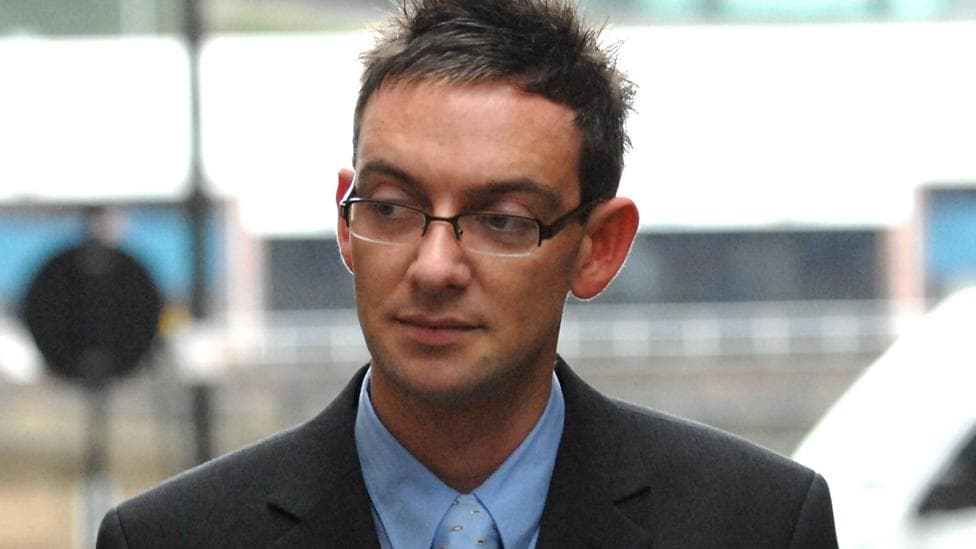
Colin Norris has spent 18 years in prison following his 2008 conviction for murdering four elderly patients and attempting to murder a fifth at hospitals in Leeds. Now, a comprehensive investigation has cast serious doubt on whether those murders ever took place at all, prompting even members of the victims' families to question the evidence that secured his conviction.
The case centres on Ethel Hall, an 86-year-old woman who died in 2002 after being found in a hypoglycemic coma while recovering from a broken hip at a Leeds hospital. Prosecutors argued that Norris, then 26 and originally from Glasgow, had deliberately injected her with insulin. But a new eight-part podcast investigation launched on 24 September has uncovered evidence suggesting the insulin poisoning may have been accidental—or that Ethel's collapse resulted from natural causes entirely unrelated to any injection.
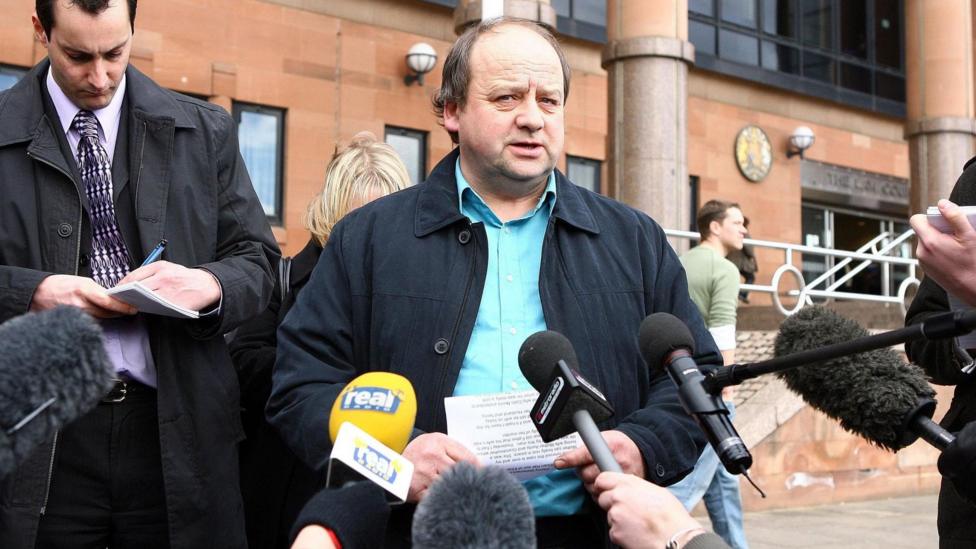
Helen Hall, daughter-in-law of the deceased, told the investigation:
The evidence, it's just not sitting right to me.Her words reflect a growing uncertainty within Ethel's own family about whether Norris is guilty of the crimes for which he remains imprisoned.
How did the original investigation unfold?
In 2002, Norris discovered Ethel in a hypoglycemic coma on the ward. Blood tests revealed an unusually high level of insulin in her system, and she died 21 days later. A colleague reported that Norris had predicted Ethel might not survive the night, making him an immediate suspect. Police then conducted a retrospective review of all deaths on wards where Norris had worked, identifying three other cases of unexplained severe hypoglycemia and one patient who survived a similar episode.
At trial in 2007, prosecution experts argued that such severe low blood sugar in non-diabetic patients was so rare that it could only indicate deliberate poisoning. The defence presented experts who said the four patients had died of natural causes, but after a five-month trial and a deadlocked jury, Norris was convicted by a majority of 11-1. He was told he would not be eligible for parole for 30 years.
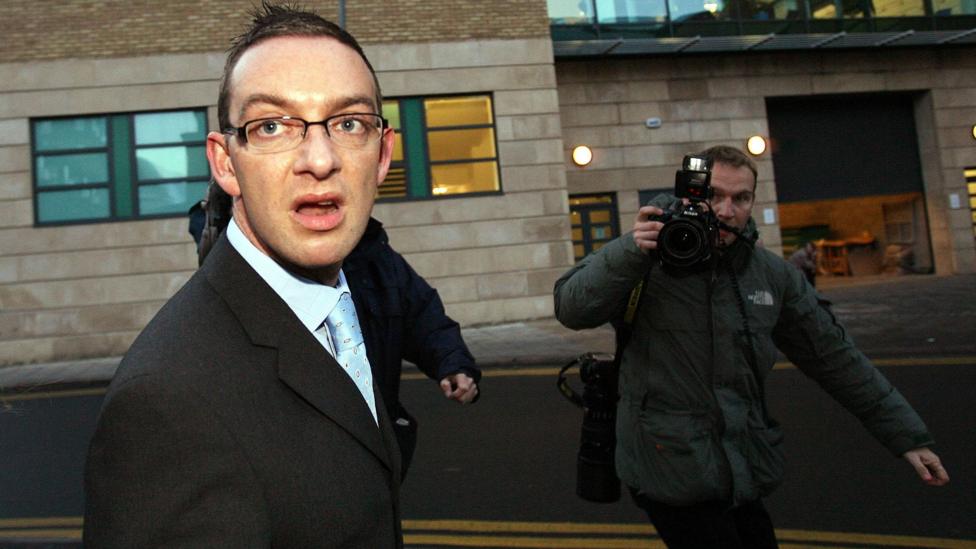
After the verdict, Ethel's son Stuart Hall stated:
I don't think he should come out again. He's got the knowledge to commit murder but do it discreetly.
What new scientific evidence has emerged?
Two years after Norris's first appeal was rejected in 2009, new scientific research challenged a fundamental assumption of the prosecution case. Studies showed that hypoglycemia in frail and elderly people is far more common than was previously believed, suggesting the jury had been given incomplete information about how rare such cases actually are.
During a second appeal heard last year, experts for Norris argued that the symptoms observed in the patients could occur naturally in elderly, frail individuals. However, prosecution experts countered that the patients' blood sugar readings were "refractory"—meaning they remained dangerously low despite treatment with glucose—whereas naturally occurring hypoglycemia can typically be corrected with a sugary drink or intravenous glucose. The prosecution maintained this distinction could only be explained by deliberate insulin poisoning.
The Court of Appeal rejected Norris's challenge in June 2025, with judges stating they had "no doubt" about the safety of the five convictions. The court ruled that arguments about naturally occurring hypoglycemia did not come close to undermining the safety of the convictions and rejected the appeal on all grounds.
Could Ethel Hall's insulin poisoning have been accidental?
The investigation uncovered a scenario that had been dismissed during the original trial: accidental syringe confusion. When Ethel was found in a coma at 05:00, doctors suspected she might have been accidentally given insulin meant for another patient. They checked whether anyone in neighbouring beds was due to receive insulin, but found no match within the relevant timeframe.
However, the new investigation discovered that a diabetic patient elsewhere on the ward was being given insulin in preparation for an operation around the time doctors were attempting to save Ethel. At 06:15, the ward doctor asked Norris to prepare a 50ml syringe of dextrose (a sugar solution) to be injected via a cannula, along with a 500ml bag of dextrose for a drip. Simultaneously, in the same treatment room, another nurse was arranging insulin mixed with saline in a 50ml syringe for the diabetic patient. That nurse asked Norris to check the syringe dosage.

Could the syringes have been accidentally switched? Endocrinologist Prof Joel Zonszein, an expert in diabetes, explained the implications:
The answer is very different from somebody getting insulin. Insulin is much more aggressive. Giving too much sugar does not cause a coma and it will take more that 24 hours until the person goes into a coma. It's completely different.

Prof Zonszein also noted that the amount of insulin Ethel may have been given accidentally would have produced the high readings in her immunoassay blood test taken five hours later. The dextrose drip would have masked the insulin, making it harder to detect, but the blood test would still register a very high level of insulin—exactly what was found.
What other factors may have contributed to Ethel's collapse?
The investigation found that all five patients had been prescribed medications known to increase the risk of severe hypoglycemia in frail, elderly people. All were on antibiotics, and two of the women were on powerful painkillers. It is possible that a strong opioid prescribed to Ethel for her post-operative pain caused her to fall into a coma, and that insulin meant for another patient was accidentally administered before the blood sample—which proved the presence of insulin—was taken.
This scenario would mean Ethel's death resulted from a tragic medical accident rather than deliberate murder, fundamentally altering the nature of the case against Norris.
How has the case progressed through the courts?
Norris's case was referred back to the Court of Appeal by the Criminal Cases Review Commission in February 2021 after a lengthy review of fresh evidence. The appeal process itself took 14 years from the time new scientific evidence first emerged in 2011 until it was finally heard in 2024.
The Court of Appeal's rejection of the appeal has left Norris's legal team with limited options within the British court system. His lawyers have been refused permission to take the case to the Supreme Court, and an application has been made to the European Court of Human Rights, though solicitor Rory Hearty has indicated this process will take many years to resolve.
What do the victims' families now believe?
Remarkably, some members of Ethel Hall's own family have begun to question whether Norris is guilty. Helen Hall, Stuart's wife, expressed her uncertainty:
I don't think it ever will [give us closure] until we know actually, one way or the other, whether he was guilty or not. If he's guilty, then fine, that's it. But if he's not guilty and he hasn't done it, the evidence that they're trying to keep him inside for, is not enough.
Ethel's family now believes the only path to genuine closure is a retrial. Helen Hall stated:
I'm not saying that he should walk free. I'm not saying he should stay behind bars, he should have a fair trial.
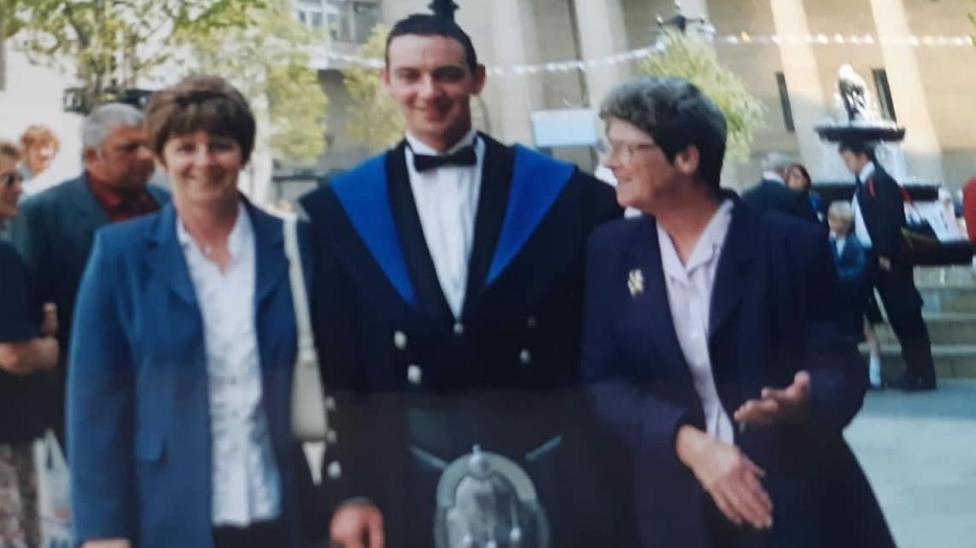
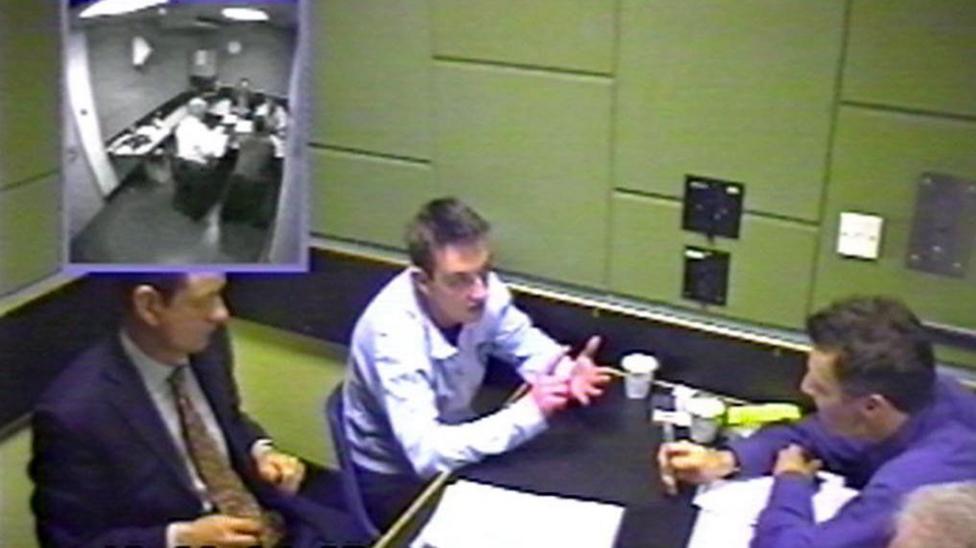
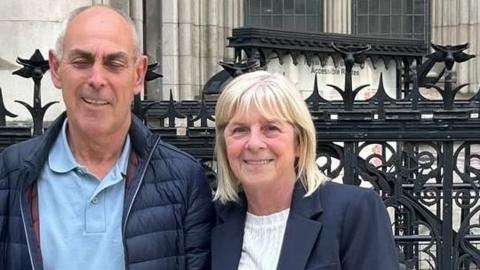
Norris's mother June has maintained her conviction that her son is innocent.
If you're a mum, you know. You'll fight for your kids till the very end.She and her husband Raymond attended the Court of Appeal hearing last year to support their son.
What is the significance of this case?
The Norris case comes at a time of heightened scrutiny of convictions based on disputed medical evidence. The investigation was launched just a week after a public inquiry reported on the case of former neonatal nurse Lucy Letby, who was convicted of murdering seven babies and attempting to murder seven others at a hospital in Chester. While the circumstances differ significantly, both cases hinge on interpretations of medical evidence that experts have contested.
West Yorkshire Constabulary issued a statement defending its investigation:
In June 2025, the Court of Appeal dismissed the appeals, with the judges saying they had no doubt about the safety of any of the five convictions.The force said its officers had worked tirelessly to secure justice for the victims and their families.
What happens next?
Norris's legal team is preparing to pursue the case through the European Court of Human Rights, a process that is expected to take several years. The investigation itself, presented by journalist Louise Shorter, continues to unfold across eight episodes available from 24 September, with each instalment examining different aspects of the evidence and raising fresh questions about whether the convictions can withstand scrutiny in light of modern medical understanding.
The case remains one of the most contentious in recent British criminal justice history, with fundamental questions about guilt, medical evidence, and the reliability of expert testimony still unresolved after more than two decades.