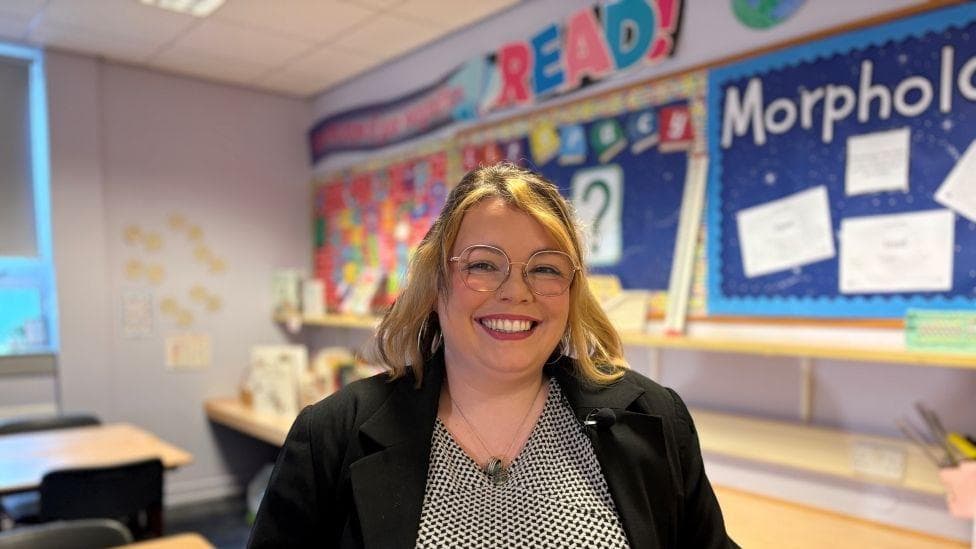
Teacher Katrina Crickett emphasises that intensive reading lessons are essential to prevent children without literacy skills from falling further behind their classmates. Primary school teachers have been hired to work in Glasgow's secondary schools to tackle the growing number of first-year pupils who cannot read at an age-appropriate level.
The primary-qualified staff run catch-up classes for secondary school pupils lacking basic literacy skills. Currently, primary-trained teaching staff are working in 14 of Glasgow's 30 secondary schools to improve literacy and numeracy standards. The majority of pupils receiving support through this initiative have English as their first language.
John McGhee, Glasgow's education director, has described addressing this challenge as a
"moral imperative". Scotland's performance in the Pisa international education study will be released on 8 September 2026, though previous assessments have indicated a sustained decline in reading standards across the country.
How are teachers helping pupils catch up?
Katrina Crickett works at St Andrew's High School, where she uses the systematic synthetic phonics method—matching letters and sounds—to help pupils develop reading skills in a matter of months. She explained the challenge many pupils face:
"Some young people when they're coming in, they can't read. They've got reading ages of maybe five or six-years-old - they can't recognise basic words that we take for granted. They can't break those words down and sound them out to work out what they mean."
Her maximum class size of 15 pupils—nearly half the size of some primary school classes she previously taught—allows her to focus on individual progress. She described her approach:
"It's making a difference, being able to strip it back and actually sit with them and find out what it is they don't like about reading and working on that. It's actually quite disheartening when they come to me because they have so much passion and so much knowledge, but they just don't have the confidence to show that. So a big part of my job is to give them the tools and confidence to access the rest of the curriculum."
Why is literacy a priority in Glasgow?
While the number of pupils reaching expected literacy levels in Scotland's schools is at a record high, one in four primary school-age children across the country still struggle with basic literacy skills. In Glasgow specifically, 68% of pupils in P1, P4 and P7 achieved expected literacy levels in 2024/25—the joint lowest rate in Scotland.
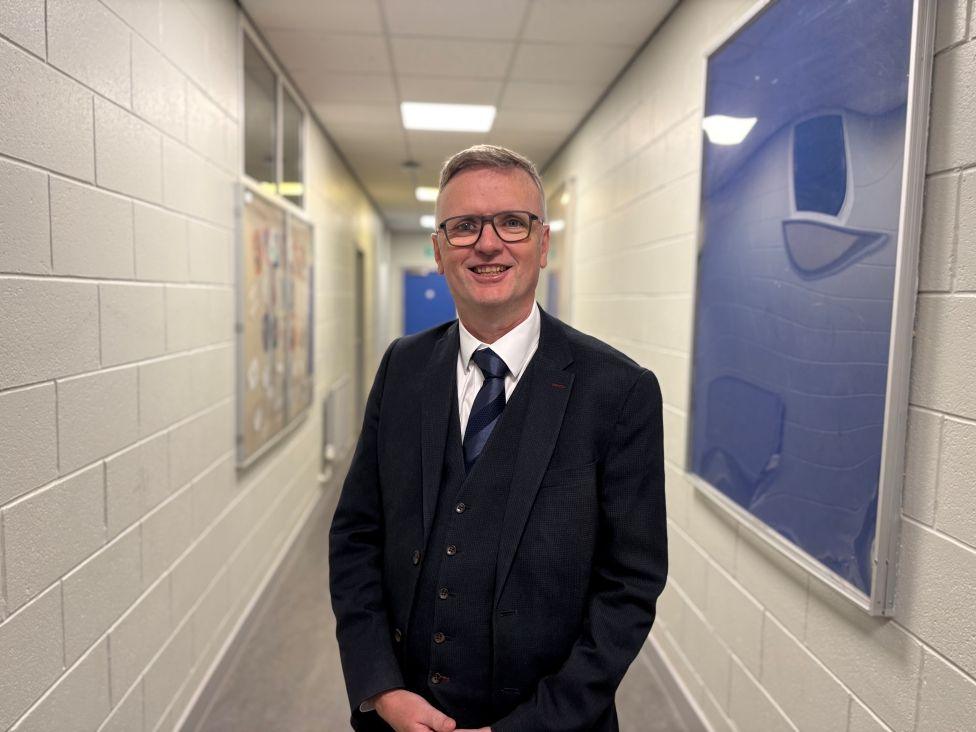
McGhee, who previously served as headteacher of St Andrew's High School before being appointed education director, witnessed the problem firsthand.
"As a headteacher I was seeing, increasingly, a number of young people coming in with very basic literacy skills - some young people who simply couldn't read. There is no way, as a moral imperative, that we should have young people leaving school not able to read."He noted that this situation would have been uncommon a decade ago.

According to a 2025 Scottish reading report, just 3 in 10 children and young people in Scotland enjoy reading in their free time, and only 1 in 6 read daily—highlighting a broader challenge beyond classroom literacy instruction.
What are Glasgow's targets?
McGhee outlined an ambitious goal for the city:
"Our target is that all young people in Glasgow, by the time they leave primary school, will have a minimum reading age of about nine-and-a-half. It's a very high target but to set it means they can access most of the literacy that they need to access an adult life."He emphasised that
"Our success as a country will be largely dependent on the skills of young people leaving our schools. My sense of it is we kind of lost touch a bit with some of the basics."
According to Glasgow council education papers, there was a notable increase in the proportion of S3 pupils achieving the expected literacy level or better between 2021/22 and 2022/23, suggesting that targeted interventions are beginning to show results.
How does Scotland's performance compare internationally?
The Pisa report, due for publication on 8 September 2026, measures education standards among more than 700,000 15-year-olds worldwide. The previous Pisa assessment, published in 2023, revealed a long-term decline in Scotland's performance in reading, maths and science. However, Pisa is just one measure of educational standards in Scottish high schools.
Last month's annual exam results offered a more positive picture, with pass rates increasing. The pass rate for Highers rose 0.8% to 76.7%, while Advanced Highers increased by 0.9% to 77.6%. These results suggest that while literacy challenges persist at entry to secondary school, many pupils are still achieving qualifications by the time they complete their studies.
What happens next?
Scotland's Pisa 2025 results are scheduled for release on 8 September 2026. Additionally, the Scottish Children's Literacy Charity has scheduled a teenage reading seminar in Glasgow for 24 September 2026 at the Radisson Blu, which may provide further opportunities to discuss literacy initiatives and share best practices.
Key Facts:
- Primary-qualified teachers are working in 14 of Glasgow's 30 secondary schools to improve literacy and numeracy
- In 2024/25, 68% of Glasgow pupils in P1, P4 and P7 achieved expected literacy levels—the joint lowest in Scotland
- Glasgow's target is for all young people to reach a minimum reading age of nine-and-a-half by the end of primary school
- Scotland's Pisa 2025 results will be published on 8 September 2026
- The systematic synthetic phonics method used in catch-up classes can help pupils improve reading skills within months