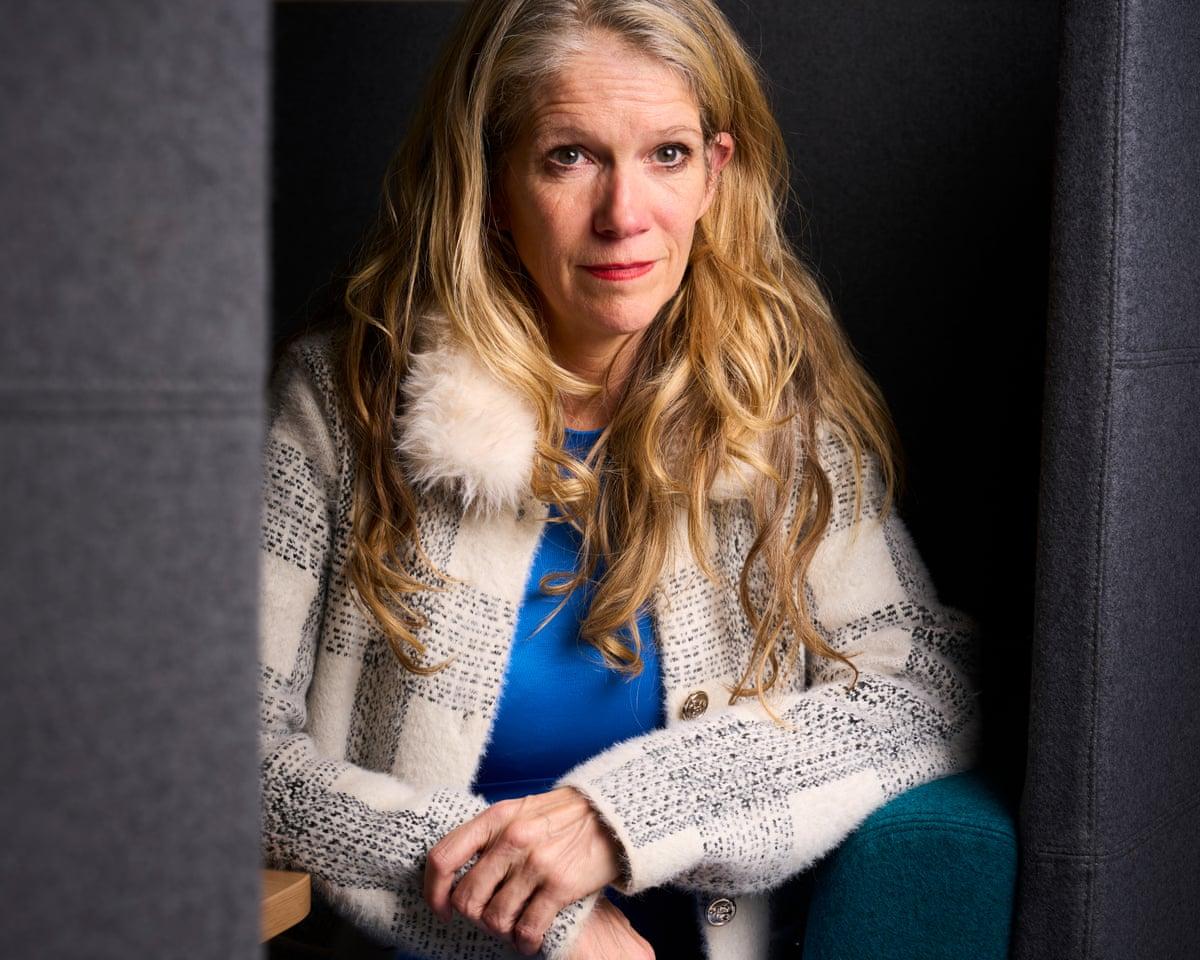
Catherine Dobson is frightened and angry after learning that Michael Harvey, a detective who subjected her to coercive control while working in Lancashire police's sexual offenders management unit, will be released from prison after serving just one-third of his 30-month sentence under the government's early release scheme.
According to The Guardian, Dobson is calling for an exception to the early release programme for police officers who have abused their position of trust to target women and girls. The charity Women's Aid has warned that other survivors could face similar risks from the early release of abusive partners.
Dobson's case highlights the broader concerns raised by domestic abuse advocates about the scheme. Refuge's chair has said some survivors have moved to refuges outside their area because they feared perpetrators' release, while Greater Manchester's chief constable reported that more than a fifth of early-release prisoners released into the city in October had reoffended within a month.
How did the relationship begin?
Dobson, who worked for the BBC in Salford at the time and was responsible for distributing the famous Blue Peter badges to viewers, first encountered Harvey while shopping at an Asda supermarket in Rawtenstall, east Lancashire, in May 2012. He approached her, saying she had made his day with her "beautiful smile".
Six months later, they met again at the same store. Harvey greeted her warmly, telling her he had regretted letting her walk away the first time. During their conversation, he revealed he was a detective and invited her for a drink. Although Dobson was not actively seeking a relationship, she was persuaded by his profession.
"Because he's looking after vulnerable women and children every day of his working life,"she later explained.
Harvey told her he was separated from his wife, with whom he shared three children. This was the beginning of what would become a pattern of deception designed to draw her in and maintain control over her.
What lies did he tell to control her?
Throughout their relationship, Harvey fabricated increasingly dramatic stories whenever Dobson attempted to leave him. He claimed he had been abused as a child, that he suffered from post-traumatic stress disorder after being deployed to identify body parts in Sri Lanka following the 2004 tsunami, and that he had been diagnosed with a rare cancer. In court, he admitted none of these claims were true.
The emotional manipulation extended to threats of self-harm. Dobson recalled a particularly disturbing moment:
"One day we were sitting on my stairs in the hallway and he looked up and he said: 'I know how much rope I need to hang myself from your loft hatch.'"
By September 2015, Dobson discovered that Harvey had been sending inappropriate messages to women using his work phone. When she confronted him, he claimed they were victims of sexual abuse whom he was supporting in his professional capacity as an investigating officer. However, the messages revealed a different reality. He had told one woman she was attractive and that he intended to take her to dinner. When challenged, he justified this by saying her self-esteem was so damaged by abuse that she needed "lifting up".
How did his abuse of police systems come to light?
Harvey's misuse of police authority became a central part of the case against him. He admitted to accessing the police database five times after their first chance encounter in the supermarket, looking up Dobson's personal information. He also checked her insurance details to determine whether a male driver was listed on her policy.
Lancashire police later described him as a
"master manipulator who used empty threats and emotional blackmail to launch a calculated campaign of control over the victim".
In February 2026, Harvey was sentenced to 30 months in prison after pleading guilty to coercive and controlling behaviour and two counts of unauthorised access to police systems. He was cleared of three rape charges after a jury trial in November 2025.
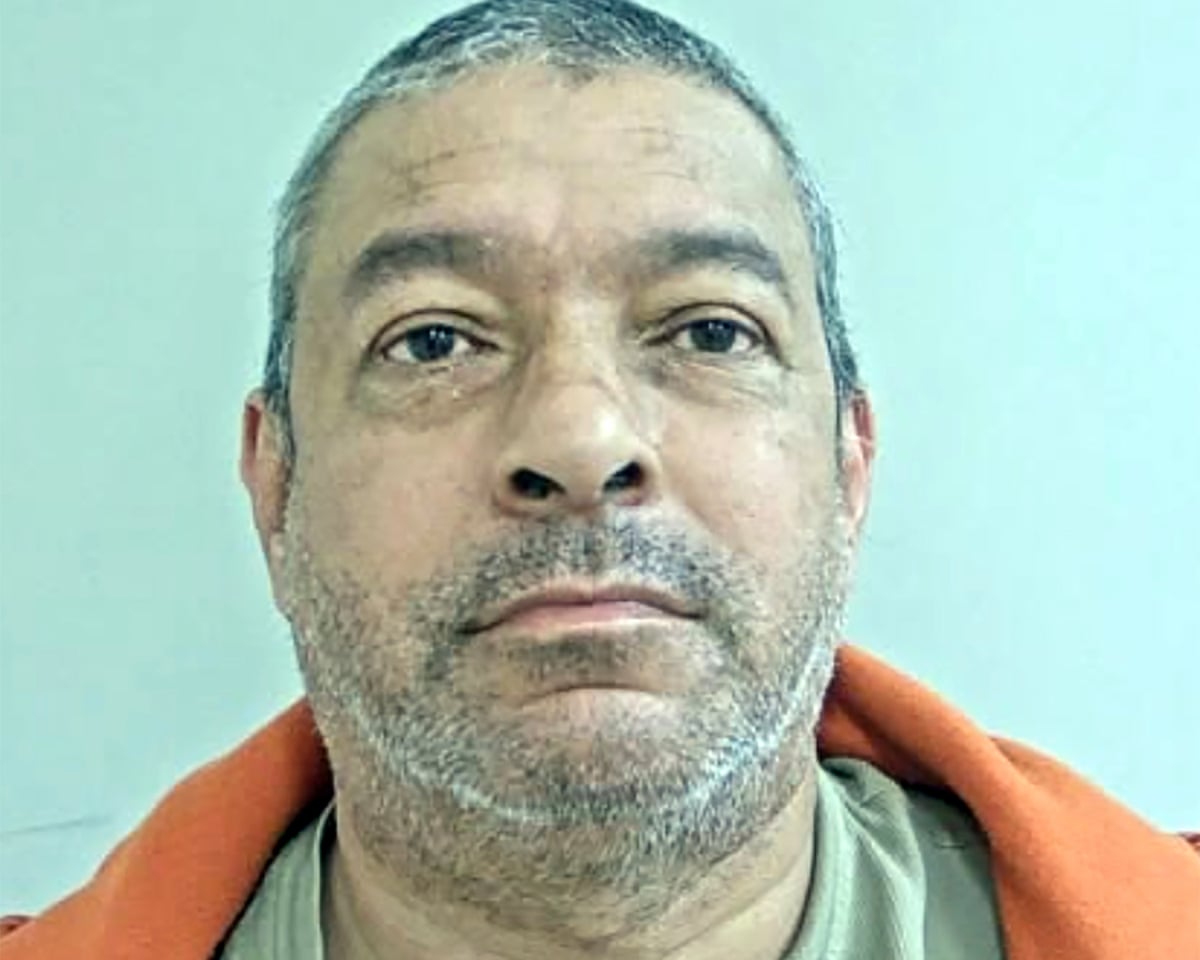
The judge delivering sentence emphasised the seriousness of his breach of public trust.
"The public need to see the courts punish police officers who betray public confidence and trust and fall short of the high standards expected of them. In the words of your victim, quote, you were a charming detective on a sex offenders unit paid to protect her from men like you."The court also imposed a 10-year restraining order against Harvey.
Why is Dobson concerned about his early release?
Dobson learned that Harvey would be released at the end of November 2026 after serving only one-third of his sentence as part of the government's early release scheme designed to address prison overcrowding. Her distress was compounded when another woman approached her at the sentencing hearing, revealing that she too had been in an abusive relationship with Harvey and had been preparing to give evidence against him.
Both women were shocked by the decision to release him early. Dobson expressed her frustration:
"I'm angry. Frightened. It's almost like I've put myself through the justice system for nothing."
She pointed to the precedent set when Greater Manchester mayor Andy Burnham changed the rules to exclude the killers of police officer Andrew Harper from early release eligibility.
"But he exception should also apply to serving police officers who have chosen to commit heinous crimes,"she said.
Dobson drew a comparison with the government's response to comedian Russell Brand, who was investigated for allegedly breaking prison rules after sharing a message claiming he was not guilty of sexual offences.
"If they can have an emergency meeting about Russell Brand they can have an emergency meeting about serving police officers in jail for abusing women."
What broader concerns exist about the early release scheme?
The early release programme has prompted significant concerns from domestic abuse advocates and survivors. A BBC report published in October also described Naomi Meadows, who said she was raped by a detective she met online in Devon; Lancashire Constabulary said it could not comment on Harvey's case because a complaints process was ongoing.
The scheme has already prompted fears among survivors of domestic abuse, with some taking the drastic step of relocating to refuges outside their local areas to avoid contact with released perpetrators. The concerns raised by Dobson and other survivors suggest that the current framework may not adequately protect victims from offenders who have abused positions of authority and trust.
Key Facts
- Michael Harvey, a Lancashire police detective, was sentenced to 30 months in prison in February 2026 for coercive and controlling behaviour and unauthorised access to police systems
- He will be released at the end of November 2026 after serving one-third of his sentence under the government's early release scheme
- Harvey used the police database to track Catherine Dobson's movements and fabricated multiple stories about abuse, trauma and illness to maintain control over her
- A 10-year restraining order has been imposed against Harvey, and he was acquitted of three rape charges
- Dobson is calling for police officers convicted of abusing their position to be excluded from early release, similar to the exception made for those convicted of killing police officer Andrew Harper