
Prime Minister Andy Burnham has committed to intervening from childhood onwards to address youth unemployment, announcing a comprehensive overhaul of support systems ahead of Alan Milburn's landmark review. The government will implement what Burnham described as a "root-and-branch rethink of how we support childhood in the modern world", moving away from traditional welfare approaches towards what he called a "societal and generational" response to the crisis affecting Britain's young people.
According to The Guardian, Burnham's strategy centres on catching young people before they become unemployed and dependent on state support, with particular emphasis on expanding vocational training opportunities within schools. The approach represents a significant shift in how the government intends to tackle the growing numbers of 18- to 24-year-olds not in employment, education or training, commonly known as Neets.
In recent months, the scale of the challenge has become increasingly apparent. Parliament's Library research shows that in June to August 2026, 715,000 people aged 16 to 24 were unemployed, representing a year-on-year increase of 54,000, with the youth unemployment rate standing at 15.6%. The number of Neets exceeded one million for the first time since 2013 in the January to March 2026 period, underscoring the severity of the situation.
What will the government's approach involve?
The government will intervene at multiple life stages to prevent young people from falling behind, well before they face joblessness and reliance on benefits. Burnham emphasised that support "will have to come with responsibilities", signalling a shift towards conditional welfare provision.
If we give young people genuine opportunities to learn, train and work, we should expect them to take them where they can. Benefits must become the backstop, not the starting point.
The expanded job guarantee scheme will begin at the end of November and will reach an estimated 90,000 young people across Great Britain who claim Universal Credit and are actively seeking work. Eligible 18- to 24-year-olds will be guaranteed a fully funded, six-month job matched to their skills after spending 12 months on Universal Credit. The Liberal Democrats have questioned the value of this offer, arguing that a six-month placement means little without a permanent job at the end.
The government's planned response also includes joining up employment, skills, health and other local support services, with greater responsibility devolved to local leaders. This integrated approach aims to address the multiple barriers young people face in accessing work and training.
What changes to benefits are being proposed?
Milburn's review will recommend significant restructuring of benefit entitlements for young people. Some will lose their personal independence payments and the right to claim the health element of universal credit, instead receiving a new youth allowance paid at the standard universal credit rate. The changes reflect concerns about rising claims among young people: the number claiming personal independence payments has doubled since the start of the decade, while claims for the health element of universal credit have increased by 80%.
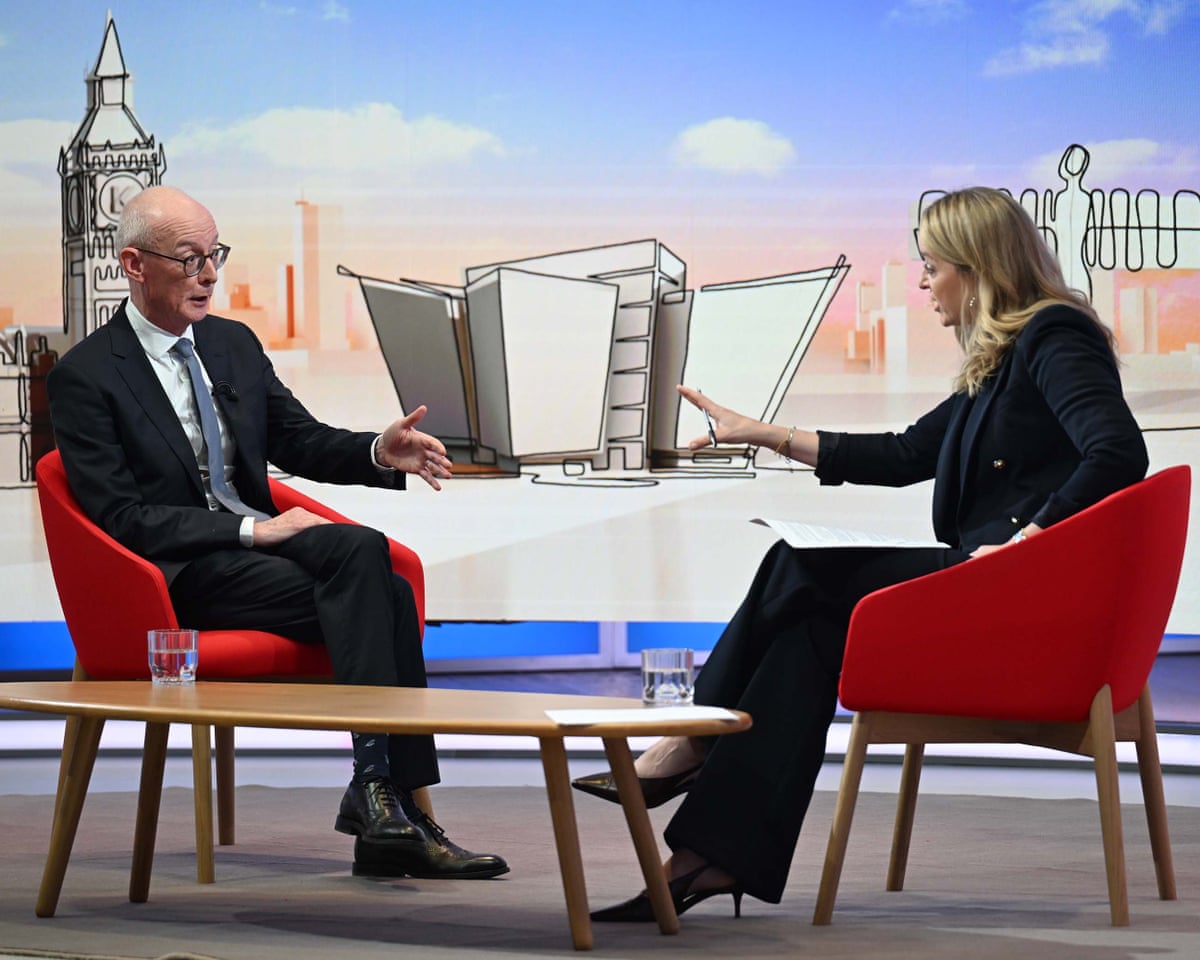
Work and Pensions Secretary Pat McFadden acknowledged that the review contains "an element of compulsion" for Neets and that some people will receive less in benefits than they currently do. He defended the approach by pointing to international examples.
The UK had to become more like countries that had dealt with youth unemployment more successfully, such as the Netherlands, where the youth desk would "literally knock on your door" and offer options of training or work.
McFadden denied that Milburn was proposing an outright ban on young people claiming health-related benefits, clarifying that those with long-term disabilities that prevent work would receive more support than currently available. He stated that those with extra costs would be able to apply for additional benefits, and that a local fund would support short-term needs, with enhanced support for those transitioning into work.
What about the cost to employers?
The review recommends cutting national insurance payments by businesses for employees aged between 21 and 24 for a five-year period, beginning in retail and hospitality sectors. This measure could cost as much as £5 billion, according to analysis by the Resolution Foundation thinktank, representing a substantial investment in reducing barriers to youth employment.
How does this compare to opposition proposals?
Burnham has strongly criticised Conservative and Reform proposals for welfare cuts, which he characterised as crude and counterproductive. The Conservative Party, under Kemi Badenoch, has pledged to slash the welfare bill by £36.1 billion by 2030 if elected. Under Conservative plans, 70% of child benefit disability-related claims linked to ADHD and "milder" behavioural disorders and learning disabilities would be cut, with Labour describing the proposals as harmful.
Shadow Work and Pensions Secretary Helen Whately acknowledged that the plans could result in around half a million children losing disability-related payments. She defended the approach by noting that the plans include £1 billion in funding for child mental health services.
This is to help those children. The point of that funding is because there are children who are struggling. Let's use this funding in the best possible way to support those children.
Burnham accused past Conservative governments of deliberately making young people bear the brunt of austerity cuts.
What is the Tory solution now? To punish those young people once again. The crude cuts they are proposing would simply compound the mistakes they made in government. They would drive children into poverty and increase levels of family homelessness even further, piling further pressure on councils, the NHS and other public services. This is not "reform". It is a path to higher public spending and broken services.
What do young people themselves want?
A survey conducted by the Children's Commissioner, which received more than one million responses, found that more than half of young people expressed worry about securing good employment in the future. The responses revealed that young people in the UK are ambitious and want to work, but face significant obstacles in finding experience and opportunities.
Rachel de Souza, the Children's Commissioner for England, highlighted the disconnect between young people's aspirations and the support available to them.
The message is clear. Young people are ambitious, they want to work, they want a good job. We need to help them get the skills, the experience and opportunities to find work. They need a full, rich education that gives them the knowledge and skills to get on in life, but too many are being let down by the advice and careers support they receive, which many young people do not feel isn't good enough.
However, evidence from government-backed schemes raises questions about their effectiveness. New data on two government-backed youth schemes in London showed fewer than half of participants went on to further education, employment or training, suggesting that current interventions may need strengthening to deliver sustained outcomes.
Milburn, who conducted extensive consultations while developing his review, said he had not encountered a single young person who wanted to remain Neet.
All too often the system – from health to welfare to the labour market – has failed them. That's why a fundamental system reset is needed to give hope back to young people.
What happens next?
Alan Milburn's final review is expected to be published next week, with the government indicating that its formal response will outline a new approach centred on early intervention, expanded opportunities and clearer expectations for young people. The government has signalled that this response will set out how employment, skills, health and other local support services will be integrated, with devolved responsibility to local leaders playing a central role in implementation.
Before the review's publication, Milburn cautioned that meaningful change would require sustained investment and patience.
There's no such thing as a free lunch. If you are going to will the ends, you've got to will the means. I don't think there's a single person in this country who believes that it's tolerable to have one million young people, aged 16 to 24, who are not in education, employment, or training.
Key Facts
- Youth unemployment reached 715,000 in June to August 2026, up 54,000 year-on-year, with a youth unemployment rate of 15.6%
- The expanded job guarantee scheme will reach an estimated 90,000 young people and begins at the end of November 2026
- National insurance cuts for employers hiring 21- to 24-year-olds could cost up to £5 billion over five years
- Claims for personal independence payments among young people have doubled since 2020, while health element universal credit claims rose 80%
- Government-backed youth schemes in London saw fewer than half of participants progress to further education, employment or training