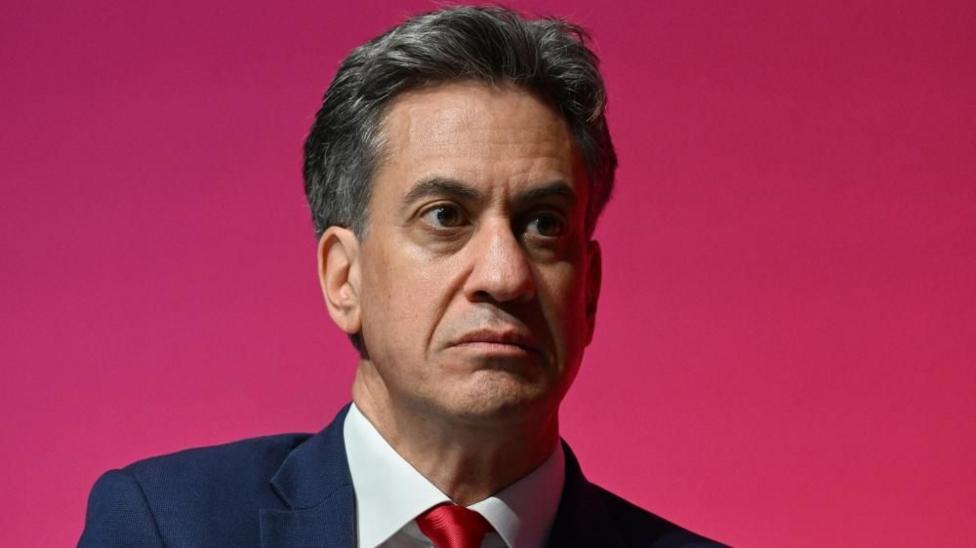
Foreign Secretary Ed Miliband has stated he will not resign if the government approves the Rosebank oil field, despite having previously described the scheme as "climate vandalism" when Labour was in opposition. According to BBC News, Miliband told the BBC he would "obey collective responsibility", the convention requiring ministers to publicly support government decisions even when they hold private disagreements.
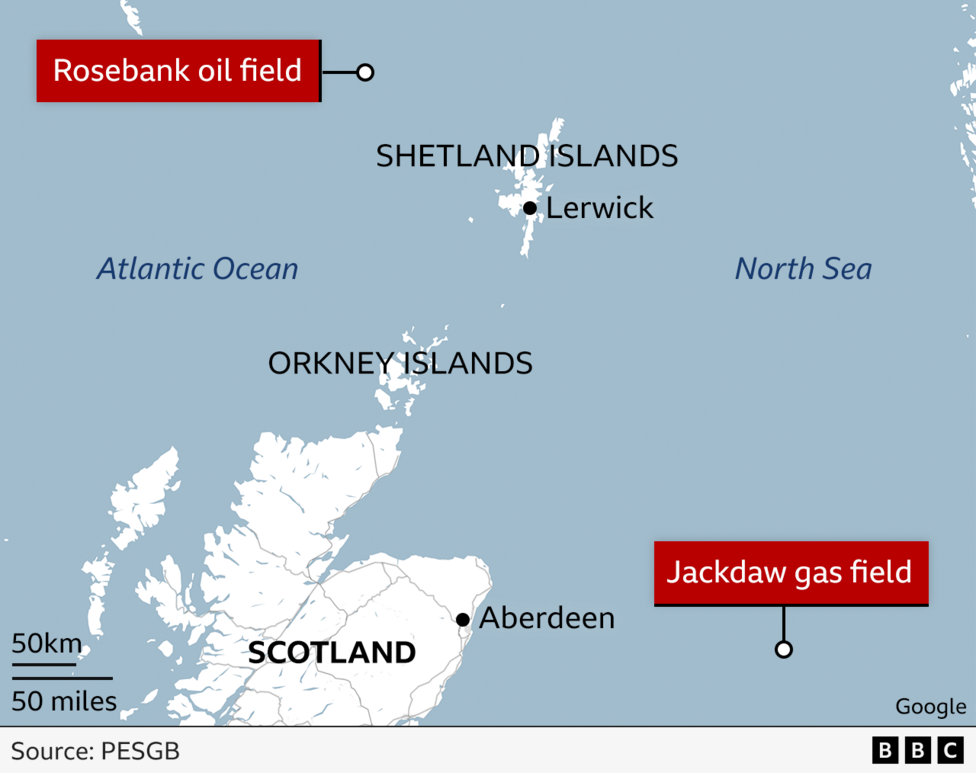
Energy Secretary Miatta Fahnbulleh, who succeeded Miliband in the energy brief in July, will make the final determination on the oil field located approximately 80 miles north-west of Shetland. The decision has become a flashpoint within the Labour party, with some MPs opposing the project while others argue for domestic energy production. In January 2025, the Court of Session ruled the original Rosebank consents invalid because the approval had not accounted for emissions from burning the extracted oil and gas, forcing the current government to reconsider.
During an appearance on BBC Radio 4's Today programme, Miliband was confronted with his 2023 statement that Rosebank would represent a "colossal waste of taxpayer money and climate vandalism". When asked whether he would resign if his successor approved the project, he responded:
No, definitely not because I obey collective responsibility. Miatta Fahnbulleh will make the decision on this. As you know, it's what they call a quasi-judicial decision so she looks at all the evidence and then reaches a conclusion.
Miliband indicated he would not challenge Fahnbulleh's determination and said he supported her recent approval of the Jackdaw gas field following years of legal uncertainty. When pressed further about his previous criticism, he stated:
I'm a member of the government and I will abide by collective responsibility on this.
The foreign secretary framed the broader energy debate in geopolitical terms, pointing to consequences of Russia's invasion of Ukraine and regional conflicts.
What does that teach us? That we can't get economic and energy security from fossil fuels, we've got to keep on with this transition to wind power, solar power, nuclear power; homegrown clean energy we can control.
Which Labour MPs oppose Rosebank?
At least 75 Labour MPs have signed a letter opposing the Rosebank development, according to reporting cited in the BBC article. Catherine Fookes, the MP for Monmouthshire, told the Today programme that approval would worsen climate challenges.
We need to really look at what we're doing and ensure we don't exacerbate our climate challenges and make climate change worse. And that's exactly what drilling in the North Sea would do.
Labour MPs have called on the government to reject the Rosebank oil field, saying it is incompatible with UK climate commitments, with concerns raised during Westminster Hall debates about the project's alignment with net zero targets.
Who supports the project?
Steve Yemm, Labour MP for Mansfield, voiced backing for Rosebank, characterising it as a test of whether the country can support North Sea investment while meeting climate obligations. Conservative shadow energy secretary Andrew Bowie criticised Labour's approach, stating:
One gas field does not make an energy strategy. Labour cannot claim to back the North Sea while continuing to block new licences, undermine investor confidence, and hammer the industry with a punishing windfall tax.
Bowie added that
it is clear that Labour cannot be trusted to deliver the energy security we needwith some party MPs "seemingly poised to rebel" over Rosebank approval.
Scottish Labour leadership candidates Michael Marra and Joe Fagan have both called for swift approval of the Rosebank oil and Jackdaw gas fields, arguing that domestic extraction supports jobs and energy security.
What are the project's details and potential output?
Rosebank is Britain's largest untapped oil field and would also produce some gas. The developers announced a $3.8 billion final investment decision for Phase 1 on 26 October 2026, with Phase 1 and 2 estimated to contain around 300 million recoverable barrels, with Phase 1 targeting about 245 million barrels. If approved, the field is expected to produce up to 500 million barrels of oil over its 25-year operational lifetime.
However, international markets determine oil prices, meaning increased supply would not necessarily result in cheaper energy bills for UK consumers. Environmental campaigners argue that approval would undermine climate efforts and provide no meaningful benefit to energy security or household costs. They contend that Rosebank would be more environmentally damaging than Jackdaw, producing significantly greater quantities of planet-warming greenhouse gases.
What are the UK's climate commitments?
The UK is committed to achieving net zero carbon emissions by 2050, requiring the country to cut emissions until it removes as much carbon as it produces. The government also aims to limit global warming to no more than 1.5 degrees Celsius above pre-industrial levels. The government's proposed Energy Independence Bill would end new North Sea exploration licences, but would not determine whether Rosebank can proceed under its existing licence.

What happens next?
Prime Minister Andy Burnham said the Rosebank decision would be taken "in due course", with senior Labour figures reportedly expecting approval. Energy Secretary Fahnbulleh is expected to announce the decision in the coming weeks, though no specific date has been set. Scottish Greens are set to bring a non-binding motion opposing Rosebank at Holyrood on Wednesday, 18 November 2026, intensifying parliamentary scrutiny of the proposal.
The decision represents a significant test of Labour's commitment to both energy security and climate goals, with the party internally divided on whether domestic oil and gas production can coexist with net zero ambitions.