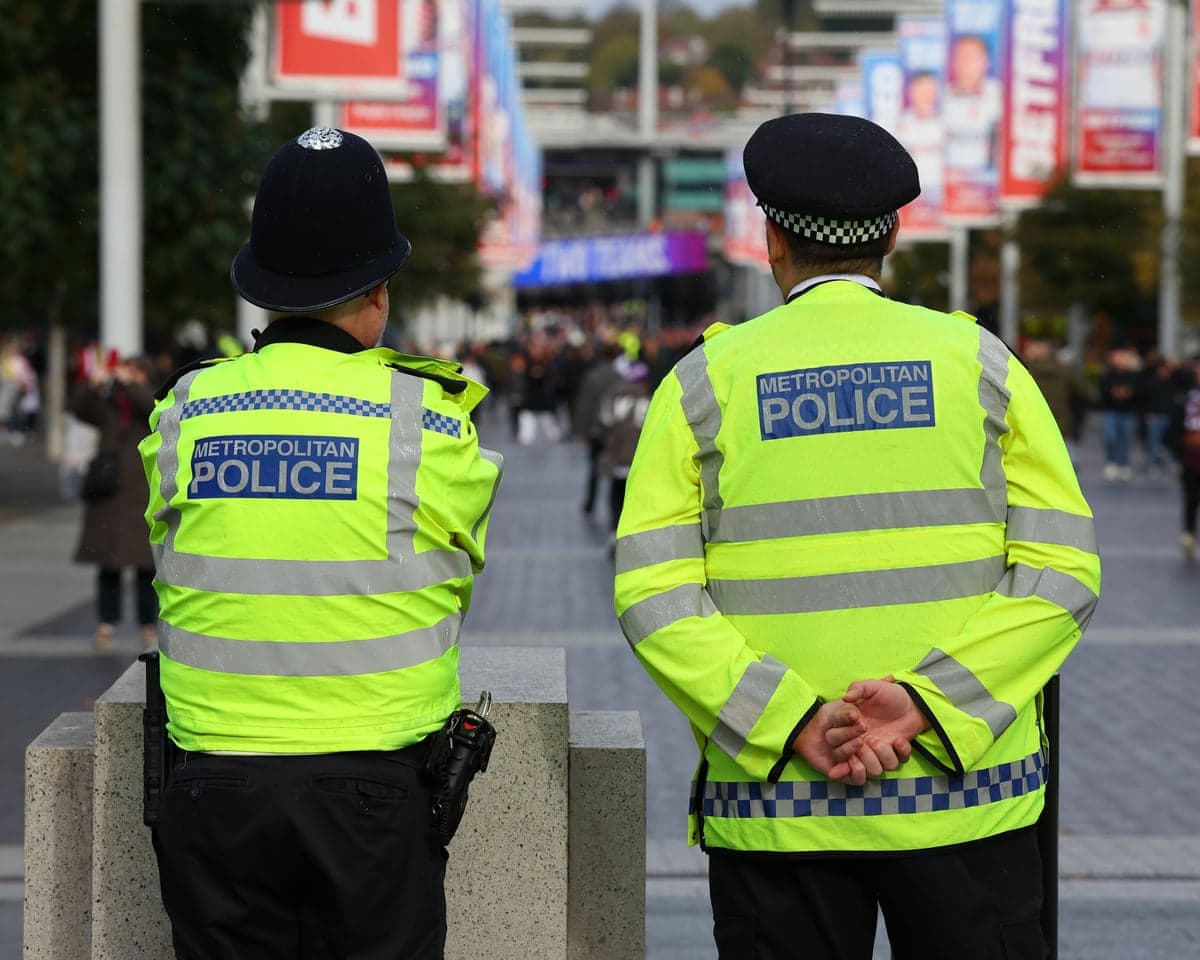
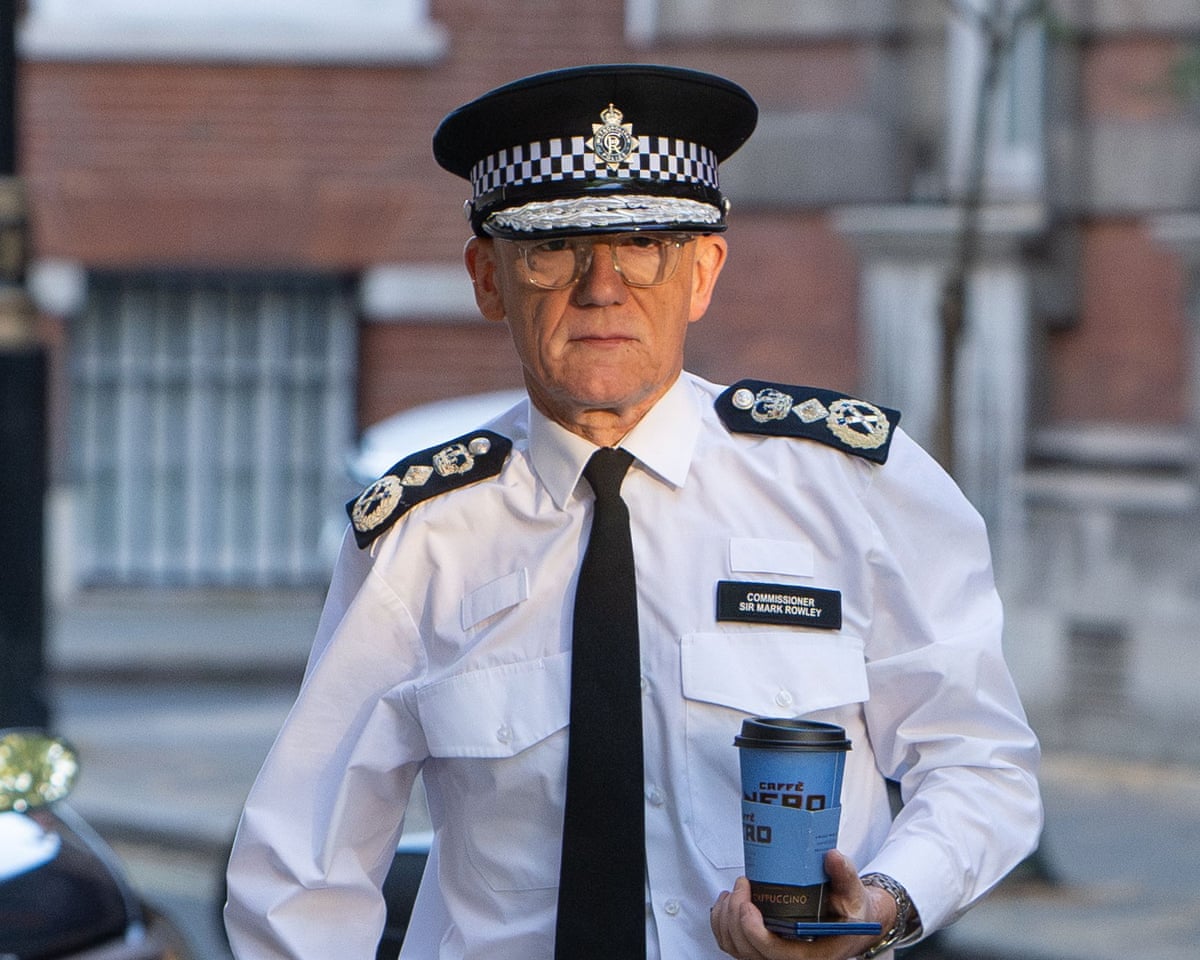
Britain's top police officer will declare on Friday that policing in England and Wales faces collapse unless the number of forces is radically reduced, with criminal detection rates having fallen to less than half their level from 12 years ago and public confidence eroding. Sir Mark Rowley, commissioner of the Metropolitan police, is calling for what he describes as the "third greatest revolution in British policing" as an official government review concludes that the current 43 forces should be consolidated into as few as nine regional "super forces", according to The Guardian.
The review, completed in September by former Met commissioner Bernard Hogan-Howe and submitted to Home Secretary Shabana Mahmood, proposes a restructuring that would represent the most significant change to policing in seven decades. The government has committed to publishing the review before Christmas 2026, with a white paper on policing expected in 2027.
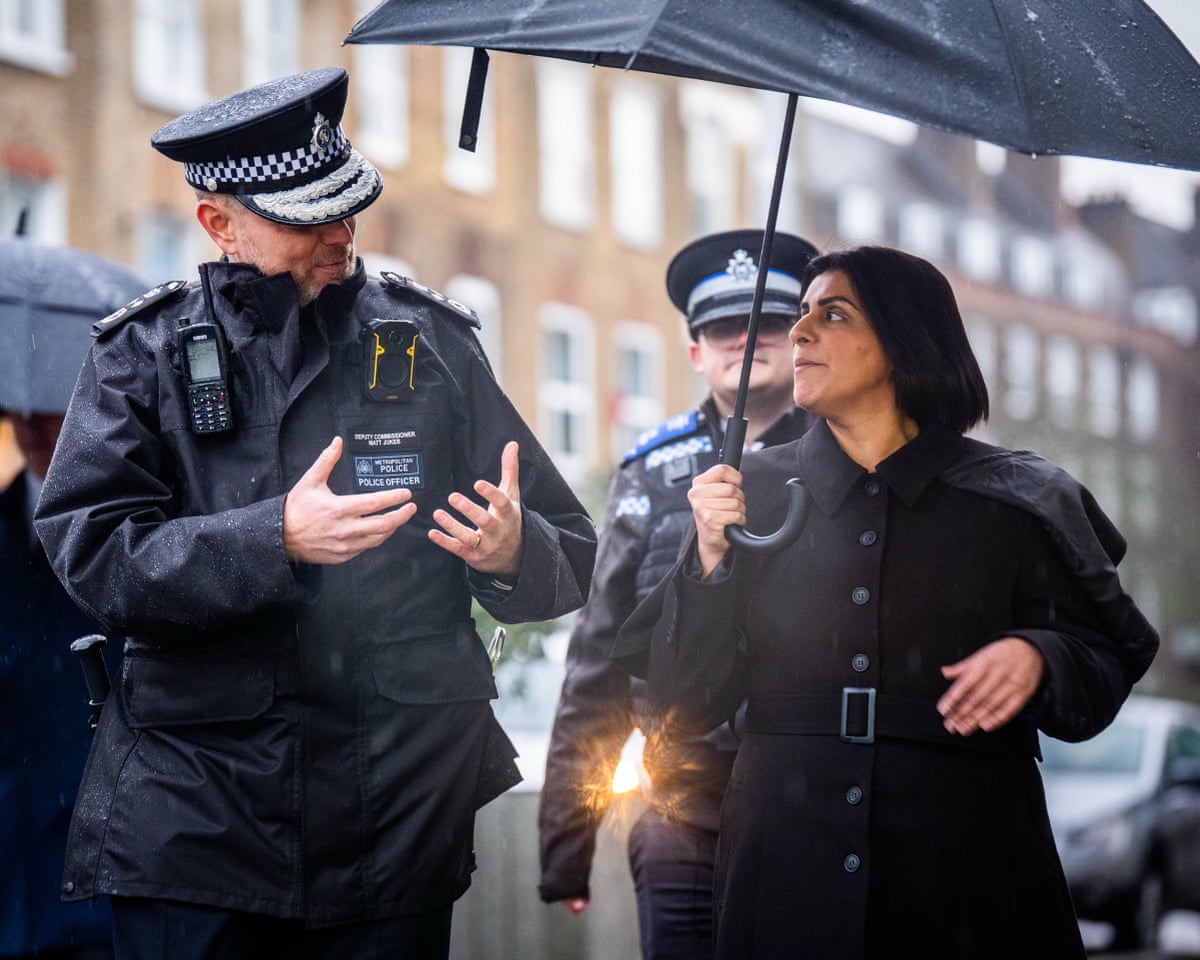
Under the Hogan-Howe review's proposals, England would be divided into nine regional forces, with Wales forming a single separate force. These larger units would sit above more than 150 local policing teams responsible for neighbourhood crime prevention. The review reportedly considers a range of nine to 18 regional forces, with none expected to be larger than the Metropolitan Police, which serves approximately 9 million people.
Rowley will speak at an event in Manchester on Friday titled "The cost of standing still is that criminals will win", where he and other senior officers including Greater Manchester's chief constable Sir Stephen Watson will advocate for a substantial reduction in the number of forces. In prepared remarks, Rowley will argue that the current 43-force model is fundamentally broken, stating:
"I believe this is a choice between the third greatest revolution in British policing or the inevitable decline and fewer bobbies on the beat."He will propose consolidating forces into eight or ten larger units, describing the existing structure as one where
"43 overstretched forces trying to do too much with too little"attempt to maintain service standards.
The decline in policing effectiveness has been stark. Positive outcomes—crimes detected by officers that result in a charge, caution, out-of-court settlement or no further action—have fallen to less than half their 2014 levels. This deterioration has occurred despite police leaders' efforts to adapt within the existing framework, according to Rowley's analysis.
What would the new structure look like?
The proposed regional forces would handle major crimes including murders and serious sexual violence, manage public order, and consolidate expensive back-office functions such as human resources that are currently duplicated across all 43 forces. A new nationwide force called the National Police Service would sit above the regional structures, serving as the home for counter-terrorism policing and serious and organised crime. Police and crime commissioners broadly support a national police service taking on counter-terrorism, fraud and serious and organised crime, potentially absorbing the National Crime Agency, though they have expressed reservations about other aspects of the restructuring.
The changes would create a south-east England force stretching from London's borders to the southern coast, and a north-west force extending from the Mersey to the Pennines, covering Greater Manchester, Merseyside, Lancashire, Cheshire and Cumbria. The government plans to abolish the current system of 43 police and crime commissioners as part of these reforms. An advert for a commissioner of the new national force is expected early in 2027.
Why is this change being proposed?
Hogan-Howe's analysis concludes that consolidation would enable policing to innovate rapidly as new crime types and threats emerge. The current structure, overseen by 43 separate police and crime commissioners, is criticised for being too slow to adapt and for creating a postcode lottery of varying service quality for crime victims. The review identifies the fragmentation of resources and decision-making as a fundamental barrier to effective modern policing.
This restructuring proposal builds on earlier concerns about policing standards. His Majesty's Chief Inspector of Constabulary warned in September 2026 that police forces in England and Wales were failing on investigation basics and victim service standards, with none of 13 assessed forces achieving good ratings for crime investigation.
Is there consensus among police leaders?
Opinion among senior police officers is divided. Some favour voluntary mergers rather than enforced consolidation, while the white paper will allow the government to mandate the abolition of existing forces and creation of new ones. Five police and crime commissioners have publicly criticised the proposed mergers, calling them a costly distraction that could distance policing from local communities. National Police Chiefs' Council chair Gavin Stephens said there was no consensus on the future number or structure of forces, though he said reform was needed.
Some chief constables have expressed concerns about the scale of the proposed changes. One told The Guardian: "Everyone knows 43 forces have to go. But the return on investment could take five or six years." Another raised practical concerns about managing such large geographical areas, saying: "If I was the chief constable of the super force, it would be such a huge area, I wouldn't know anybody. I worry about it being too big."
Matthew Scott, the Conservative police and crime commissioner for Kent, argued that the reforms would be counterproductive, stating: "They will spend a great deal of time tearing up the fabric of policing for a suboptimal outcome." Some police leaders have questioned whether larger forces actually perform better, pointing to recent failures among the largest forces. The Metropolitan Police, Greater Manchester Police and West Midlands Police—the three largest forces—have all been placed into special measures in recent years and their leaders have been removed from post.
What is the government's position?
The delay in publishing the Hogan-Howe review is understood to relate to Greater Manchester Mayor Andy Burnham's devolution agenda and his desire to reform local government structures, including expanding the role of mayors. Government sources have indicated concern that Burnham may seek to align new police structures with mayoral boundaries, which could result in 20 or more forces rather than the nine proposed by Hogan-Howe. One police source told The Guardian: "There are some concerns Andy Burnham may want to align the new police structures with mayors, which could mean 20 or more forces. That is not a radical enough change."
The government's commitment to radical policing reform has been consistent. The January 2026 policing white paper proposed a National Police Service, fewer forces, changes to police funding and investment in neighbourhood policing. The Hogan-Howe review has been tasked with recommending local policing areas, governance arrangements, how mergers should be implemented, and which forces could merge first.
What happens next?
The government has committed to publishing the Hogan-Howe review before Christmas 2026, with a comprehensive policing white paper expected in 2027. The advert for a commissioner of the new National Police Service is anticipated early in the new year. On 6 November, the Financial Times reported that Mark Rowley was advocating consolidation into 10 larger forces, suggesting the final number may be negotiated as the review moves toward implementation.
Key Facts
- The Hogan-Howe review proposes reducing England's 43 police forces to between nine and 18 regional forces, with Wales as a single force
- Positive crime outcomes have fallen to less than half their 2014 levels, according to Sir Mark Rowley
- A new National Police Service would handle counter-terrorism, serious and organised crime, and potentially absorb the National Crime Agency
- Police and crime commissioners are divided, with some supporting a national service but opposing territorial force mergers
- The government white paper on policing is expected in 2027, following publication of the review before Christmas 2026