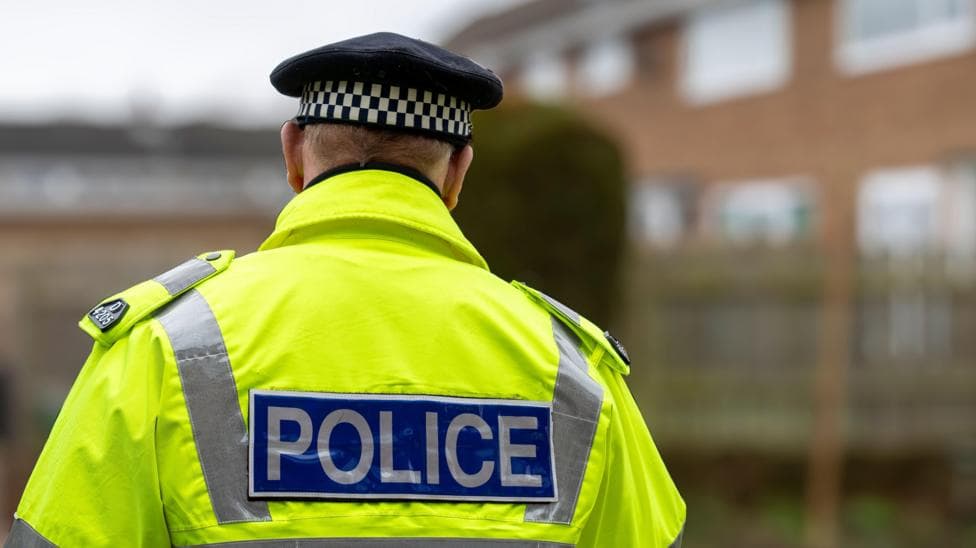
Many police forces across England and Wales continue to fall short on fundamental investigative practices and victim service standards, according to His Majesty's Chief Inspector of Constabulary's latest annual assessment.
Michelle Skeer, who took up the interim role in March 2026, highlighted persistent gaps in evidence gathering, line-of-inquiry progression, and victim communication in her report. The inspectorate found that out of 13 forces assessed in the current cycle—including Merseyside, Cumbria, Devon & Cornwall, Suffolk, Staffordshire, Thames Valley, West Yorkshire, Northamptonshire, Surrey, Wiltshire, North Yorkshire, Humberside and Kent—none achieved a good or outstanding rating for either investigating crime or maintaining safe and lawful custody environments.

Skeer acknowledged that policing's greatest asset remains its workforce, with the vast majority of officers demonstrating professionalism and courage. However, she stressed that performance in critical areas remains inadequate.
There are still areas where performance is not good enough,she said, adding that
if managed correctly, I firmly believe that reform presents a significant opportunity to deliver a better service for both the public and those working within policing.
Where are police forces struggling most?
The report identifies multiple operational weaknesses beyond investigation quality. Forces are experiencing delays in handling both emergency and non-emergency calls, with response times to incidents also lagging. Safeguarding concerns are particularly acute, with inconsistent identification of vulnerable individuals and inadequate resource deployment when people are reported missing.
The inspectorate found that
too many forces still weren't getting the basics right or providing the public with a consistently good service in the areas that matter most to victims.These failings mean victims are not receiving the standard of service they should reasonably expect, Skeer noted.
What positive developments has the inspectorate identified?
The report does acknowledge progress in neighbourhood policing initiatives and in certain operations run by regional organised crime units that coordinate investigations across multiple local force boundaries. These units focus on offenders whose activities span several police force areas.
Why are police forces under such pressure?
Evolving crime patterns and emerging threats have created a more complex operational environment, with officers increasingly handling resource-intensive cases. The 2024–25 annual assessment noted that policing faced increasing demand and complexity across England and Wales, adding sustained pressure on forces to maintain consistent service delivery.
Financial constraints compound these challenges. Cleveland Police's Chief Constable, Victoria Fuller, recently outlined the scale of the problem facing her force.
The facts are the facts,she said.
We have got the highest crime rate in the country. We've had the largest decrease in officers in the country since 2010. As a police force, if you were to look at the multiple indices of deprivation, our police force is number one. So we absolutely need more, we need more resources.Cleveland Police has since received an extra £2 million in targeted funding for serious crime, plus up to £197.8 million for the 2026-2027 financial year—a 3.7% cash uplift.

How do government reforms aim to help?
The government's planned restructuring, including the creation of a National Police Service to assume responsibility for counter-terrorism and fraud investigations, could ease pressure on local forces by removing some of their most resource-intensive caseloads. Skeer indicated that such reforms, if executed properly, could help address systemic strain.
Policing Minister Sarah Jones stated:
Our plans will tackle the long-term challenges in the policing system and bring it into the modern day. We are investing in more neighbourhood policing, raising standards and making better use of technology to make sure local policing works for local people.
What do victim support organisations say?
Victim Support, the charity supporting crime victims, acknowledged the immense pressure on police forces but emphasised that operational standards cannot be compromised. Chief executive Katie Kempen said:
It is unacceptable that victims and survivors are paying the price for police failings. Every victim of crime deserves to be treated with respect, to be given access to justice, and to have their needs identified and met.
What additional pressures are emerging?
Beyond the core investigative failures identified in the main report, police forces are grappling with a surge in online child sexual abuse cases. According to specialist policing analysis, referrals for online child sexual abuse rose from 12,469 in 2023 to 20,704 in 2024, with demand rising faster than available resources. Some investigators are managing up to 54 active cases simultaneously, creating significant capacity concerns.
A separate HMICFRS assessment of online child sexual abuse and offender management made 16 recommendations to address the crisis, including establishing a national investigators' course and enabling collective procurement of digital triage equipment to improve efficiency across forces.
What broader leadership challenges exist?
The inspectorate's findings align with concerns raised in a separate Police Leadership Commission report published months earlier. That independent review found the system for identifying and developing police leaders was fundamentally weak, with chief constable vacancies often attracting only a single suitable candidate. The commission warned that police leadership is not consistently of a high enough standard and requires comprehensive reform, including overhauled recruitment and promotion processes to address low morale and motivation within the service.
What happens next?
The HMICFRS continues its rolling inspection cycle across all 43 police forces in England and Wales on a two-year basis. Further force-level reports will be published as assessments are completed under the current 2025–27 framework, which evaluates effectiveness, efficiency and legitimacy across each force.
Key Facts:
- None of the 13 forces assessed in the current inspection cycle received good or outstanding ratings for investigating crime or maintaining safe custody environments
- Online child sexual abuse referrals increased from 12,469 in 2023 to 20,704 in 2024, with some investigators handling up to 54 active cases
- Cleveland Police has experienced the largest officer decrease since 2010 while facing England's highest crime rates
- The government plans to create a National Police Service to assume counter-terrorism and fraud investigations, potentially reducing pressure on local forces
- An independent Police Leadership Commission found chief constable recruitment attracts insufficient numbers of suitable candidates, signalling systemic leadership challenges