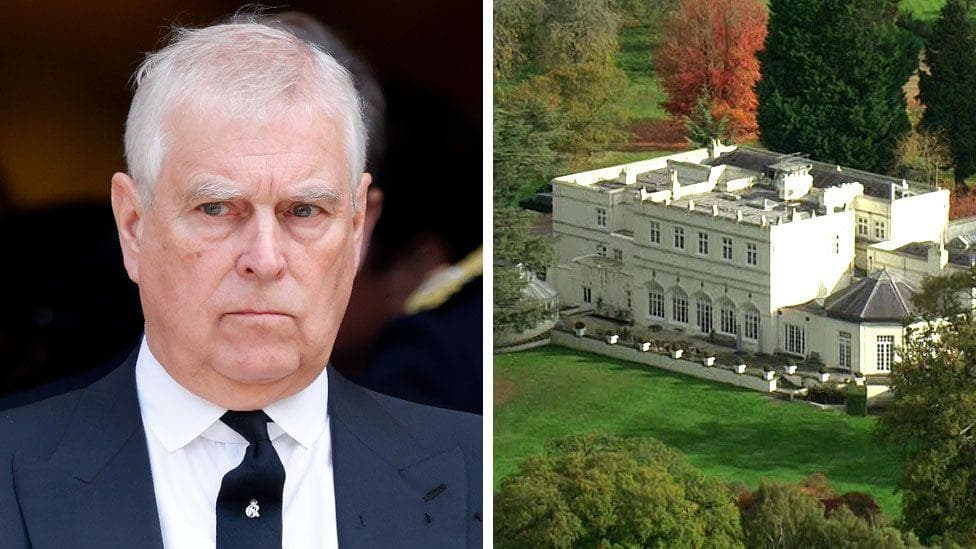
A parliamentary inquiry into Crown Estate management has found that Andrew Mountbatten-Windsor received up to £2,000 per month from sub-letting three cottages at Royal Lodge, his former Windsor home, despite paying no rent himself on the 75-year lease he held since 2003. According to BBC News, the Public Accounts Committee investigation could not determine the total income over his more than 20 years at the property because he did not consistently rent out all three cottages throughout his tenancy.
The sub-letting income flowed directly to Mountbatten-Windsor rather than to his landlord, the Crown Estate, an independent property company that returns its profits to the Treasury. The watchdog's report has prompted MPs to recommend that future Crown Estate leases should prohibit sub-letting unless the landlord explicitly agrees to permit it. Mountbatten-Windsor vacated Royal Lodge in February following public revelations about his connections to American sex offender Jeffrey Epstein, though he has consistently denied any wrongdoing in relation to Epstein and declined to comment on the findings.
According to The Independent, correspondence from the Keeper of the Privy Purse James Chalmers, dated 7 September 2026, revealed that one cottage was sublet below market rate to a royal-family employee for most of the 22-year tenancy, while from late 2021, three cottages were sublet for less than a year. The reported monthly income was just over £2,000 before maintenance and expenses, with rents reflecting a percentage of salary and remaining below market rates. Chalmers's letter indicated the information came from Mountbatten-Windsor's household and was shared with his agreement.
How did this arrangement come about?
When Mountbatten-Windsor took on the Royal Lodge lease in 2003, he invested approximately £7.5 million towards its renovation and other charges, which exempted him from paying rent. As a tenant, he subsequently began intermittently sub-letting three cottages that formed part of the property, originally intended for staff accommodation. The Crown Estate had informed MPs that it exercised no oversight over the rental amounts Mountbatten-Windsor charged and that sub-letting was permitted under the terms of his lease.
The Public Accounts Committee's examination of these arrangements formed part of a broader inquiry into how the Crown Estate manages its property portfolio. According to The Independent, the PAC report stated that the Crown Estate "did not identify specific lessons" from the Royal Lodge lease arrangement, though it recommended that lessons should inform future use and leasing arrangements for the property.
What were the financial consequences of his departure?
When Mountbatten-Windsor surrendered his lease early, the Crown Estate calculated that he was entitled to approximately £300,000 in compensation. However, this payment was offset by a repair bill of £1.8 million due to significant dilapidations in the building's condition. The net result left the Crown Estate owed £1.5 million, which King Charles paid on his brother's behalf from his private income. Earlier reporting confirmed that Mountbatten-Windsor had received £302,000 compensation after surrendering the lease over 50 years ahead of schedule.
What broader concerns did the watchdog raise?
Beyond the Royal Lodge sub-letting issue, the Public Accounts Committee's report highlighted concerns about rental arrangements for non-working members of the royal family. A National Audit Office report released earlier in 2026 had revealed that Princess Beatrice and Princess Eugenie pay nothing for their accommodation in St James's Palace and Kensington Palace respectively, with King Charles covering their rent from his private income. The National Audit Office report detailed these arrangements alongside rental arrangements for other royals.
The committee expressed concern that rental levels for non-working royals may not be based on current property valuations and recommended a more consistent approach to ensure value for money. The MPs also criticised the Crown Estate for concentrating too much of its urban property portfolio in London and the south east of England, calling for greater regional distribution of assets.
What other issues did the report identify?
The watchdog raised additional concerns about the Crown Estate's rising administration costs at a time when government budgets face pressure. The report documented that administration costs had increased by 129 percent since 2020-21, while chief executive Dan Labbad's salary had risen by 106 percent over the same period. In 2025-26, Labbad's pay package was valued at £2.3 million.
In response to the report's findings, a Crown Estate spokeswoman stated:
The Public Accounts Committee report is an important part of our accountability to Parliament. We are considering its findings and recommendations and will respond to the Committee in due course.
What happens next?
The future use of Royal Lodge remains undecided. The Public Accounts Committee has instructed the Crown Estate to consider lessons learned from the lease arrangement when determining how the property will be used and leased in future. The committee's recommendation that sub-letting should be prohibited by default in future Crown Estate leases—unless specifically exempted—represents a significant shift in how such arrangements will be managed going forward.

The inquiry underscores broader questions about how royal properties are managed and the extent to which arrangements involving members of the royal family receive adequate oversight. The findings have prompted calls for greater transparency and consistency in how the Crown Estate handles its portfolio and sets rental terms for royal occupants.