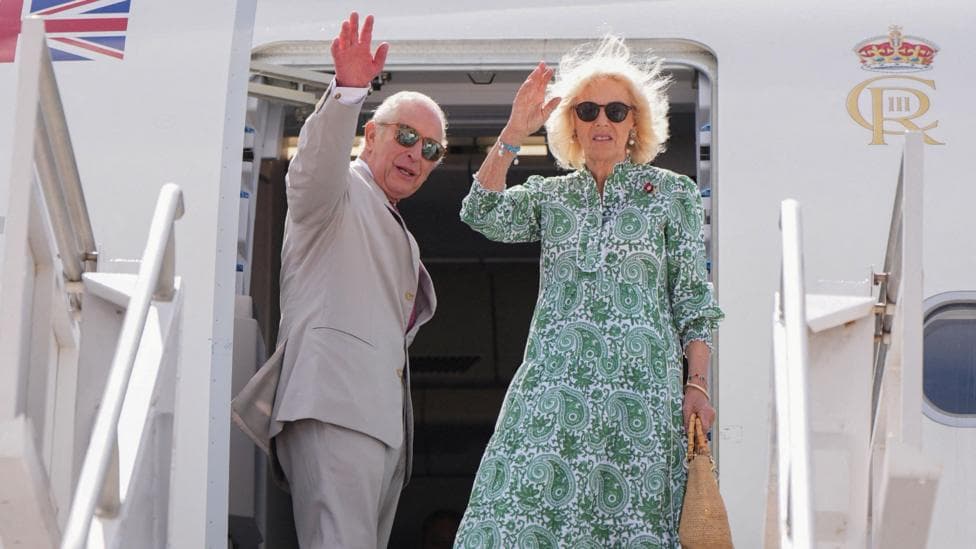
The King welcomes the demanding aspects of his position and will continue to undertake assignments in "politically charged situations," according to a senior official from Buckingham Palace, speaking as the monarch concluded his nine-day Caribbean tour. According to BBC News, the official characterised the King's recent travels as evidence of a deliberate strategy to deploy the monarchy in sensitive diplomatic contexts.
Between 27 October and 4 November, the King visited the Bahamas, Guyana, and Antigua and Barbuda, where he functioned as "a great secret weapon" in advancing government interests, the aide explained. Throughout the tour, the question of whether Britain should formally apologise and provide financial compensation for its participation in the transatlantic slave trade emerged as a central issue, with leaders across all three nations pressing for reparatory justice.
The palace official acknowledged the complexity of navigating between governmental objectives and the constitutional role of the monarchy.
"I think what we're seeing is a very clear pattern emerging of the government asking the King to head into quite politically charged situations, quite challenging situations. We have to tread quite a careful line sometimes between government policy and the King's role."The aide characterised the visit as simultaneously challenging and successful, noting that the King had demonstrated diplomatic skill through both his words and actions.
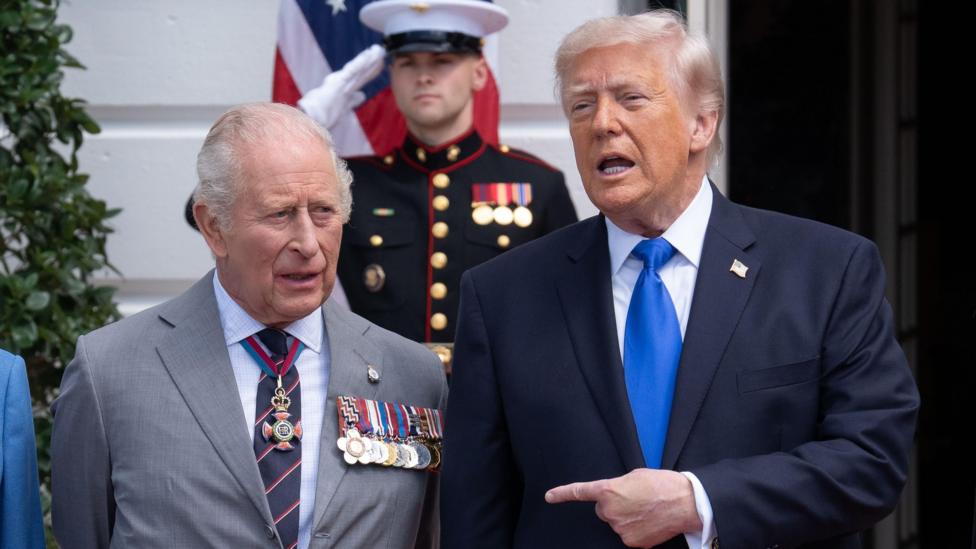
The King's recent international engagements have consistently required him to exercise sophisticated diplomatic judgment. During his state visit to the United States, he used his address to Congress to reinforce the strategic importance of the UK-US alliance to President Donald Trump. Earlier, he made an unscheduled trip to Canada to support newly appointed Prime Minister Mark Carney as the latter faced considerable hostility from Trump. Visits to Germany and France early in his reign were intended to establish fresh diplomatic partnerships following Britain's departure from the European Union.
The palace aide emphasised that the King actively seeks out the most demanding responsibilities.
"The King is not just King for the easy parts of the job, but the tough parts of the job, too. In fact, that's probably the part of the job that he relishes most, whether that's leading on the environment, whether it's renewing and refreshing and reinvigorating relationships with nations where there have been some complex political issues at play, that is what he lives and breathes for."
The official, who has worked alongside the King for many years, observed that the monarch possesses a unique capacity to engage with sensitive issues.
"He is able to reach the parts that dare I say politicians probably couldn't quite have reached,"the aide remarked. Prime Minister Andy Burnham's announcement midway through the tour that he was receptive to discussions about a formal slavery apology intensified the diplomatic complexity of the visit. However, Burnham later denied that his openness to discussing an apology had placed pressure on the King, stating that the intention was to listen and foster dialogue.
The palace official dismissed suggestions that Buckingham Palace was caught off guard by the government's shift in position, stating they had been informed in a timely manner. Burnham indicated he was open to listening to calls for a formal apology but ruled out financial reparations, arguing that contemporary citizens cannot be held responsible for historical wrongs. English authorities and the monarchy were significant participants in the centuries-long slave trade that resulted in millions of Africans being enslaved and forced to labour, particularly on Caribbean and American plantations.
When asked directly whether the King would apologise for slavery, the palace aide outlined the constitutional hierarchy.
"The King is the crown, the crown is the state, the state is run by an elected government, so we have to see how this whole situation plays through."Buckingham Palace subsequently clarified that the King's Commonwealth role was "inspiring and convening, rather than policy making," emphasising that decisions regarding any UK apology or reparations belong to elected political leaders.
Since ascending to the throne in 2022, the King has worked with four different prime ministers, requiring him to establish fresh relationships with each. Those close to the monarch view his initial interactions with Burnham positively.
"They get on very well. I see them together every week. It genuinely is a good relationship, but as it is with all the prime ministers and all the ex-prime ministers as well."
The Caribbean tour comprised approximately 40 engagements, many conducted in temperatures around 35 degrees Celsius with high humidity. The King, who continues to receive treatment for cancer, will turn 78 next week, while Queen Camilla will celebrate her 80th birthday next July. Despite their ages, both continue to undertake the physical demands of royal visits while many of their contemporaries have retired.
"This is literally what he was born to do, he's very good at it, and he enjoys the reaction he gets from people in the doing of it,"the aide said. The official noted that the King and Queen's 20-year marriage has strengthened their ability to navigate the more difficult aspects of their roles when circumstances become challenging.
Unexpected moments during the tour
Royal tours frequently produce unforeseen incidents. In Antigua and Barbuda, during a ceremony marking the nation's Independence Day, a sudden torrential downpour drenched the King without shelter, and he appeared momentarily displeased.
"You know sometimes things don't work entirely according to plan, but it was very quickly resolved, and as we saw, he was laughing… he thought it was genuinely funny,"the royal aide recalled.
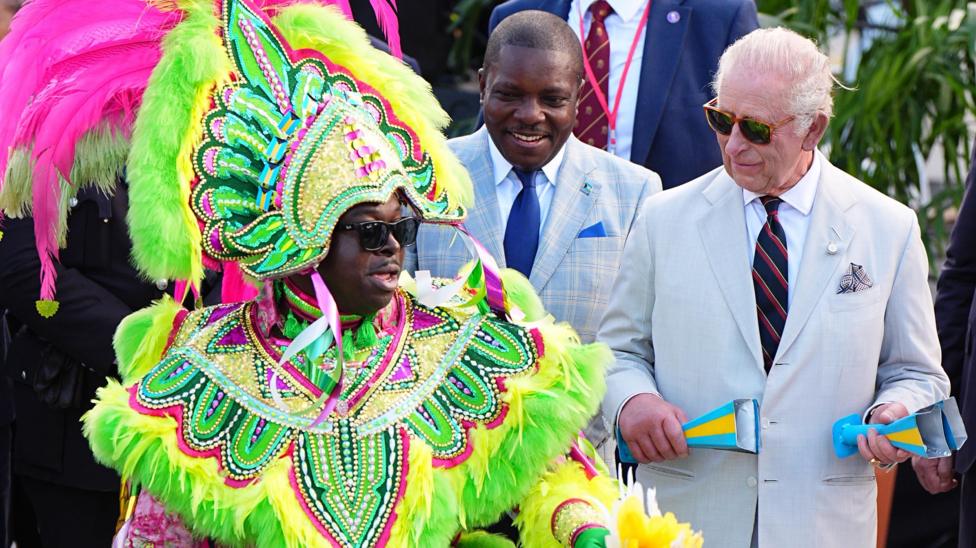
In the Bahamas, the King participated in a Junakanoo, a traditional carnival that celebrates island culture with roots extending back to the era of slavery.
Addressing slavery's legacy
During his principal address at the Commonwealth Heads of Government meeting, the King characterised the slave trade as a shameful period that filled his heart with sorrow. He was speaking to an assembly of leaders, many of whom sought an explicit apology, reparations, or in some instances, the removal of the British monarch as their head of state. The Palace had indicated that the King would address slavery's legacy with "unflinching honesty" and "sincere sorrow" in his speech, though without announcing a formal apology.
Antiguan Prime Minister Gaston Browne hosted the King and Queen but has advocated for significant constitutional change, including transitioning his nation toward becoming a republic. He has also called for "structured, inclusive dialogue on the enduring consequences of slavery and colonialism." Buckingham Palace recognises the trajectory of change: in 2021, Barbados removed the British sovereign as head of state. The atmosphere resembles an amicable separation where all parties wish to maintain friendly relations if feasible, and this development has prompted neighbouring nations to contemplate alternative arrangements.
The palace official conveyed the monarchy's acceptance of potential constitutional change.
"The King and the royal family are there to serve the people of these regions for as long as they wish. But if they don't wish it anymore, then we really are fully open to that. The family serves when it's wanted and if not, then a new arrangement can be found."
What happens next
The Commonwealth Heads of Government Meeting was scheduled to continue through 4 November in Antigua and Barbuda, providing further opportunity for discussions on slavery's legacy and the future constitutional relationships between Commonwealth nations and the British monarchy.