
A Bath resident has described the financial hardship caused by a six-fold increase in his annual service charge, which rose from approximately £1,300 to more than £8,000 per year. According to BBC News, the sharp rise was imposed by Curo, a housing association, to fund essential maintenance work on his residential block.
Callum Maddern, who purchased his flat in 2023, said the sudden bill increase left him unable to heat his home adequately.
I didn't have enough money to put the heating on. I had water on my sink and coffee tables that was freezing. I'd be lying in bed and I could see my breath.He responded by selling possessions and taking out loans to cover the charges, while questioning why all necessary works had to be compressed into a three-year timeframe.
When Maddern acquired his property, he was informed that a sinking fund of £5,000 existed to cover future maintenance. The following year, however, Curo issued a bill for £8,000 to finance fire safety improvements and window replacement. Maddern described experiencing
constant delayswhen attempting to contact Curo to negotiate the charge, and said staff suggested he could resolve the matter by selling his property.
How did the housing association respond?
Andrew Snee, director of housing and support at Curo, acknowledged that the way charges had been communicated could have been improved, and expressed regret
if our correspondence has caused any concern or upset. However, he rejected suggestions that the company could have managed costs more effectively, characterising the situation as a
perfect storm.
Snee attributed the pressures to multiple factors: rising living costs, increased contract expenses, and new legislative requirements around property safety and fire safety.
We are being as honest and transparent as we can to deliver these costs in as caring a way as we can. Keep talking to us.He stated that Curo does not generate profit from leaseholder contributions and is
trying to work with residents to prepare them for these bills.
According to Curo's own information, leaseholders typically receive their annual service-charge estimate in February, with charges payable in advance. The organisation notes that customers unable to pay in a single instalment can spread payments over 12 months by Direct Debit.
What happened with another leaseholder's case?
Ken Pearson, who owns a flat in a different Curo-managed block elsewhere in Bath, experienced a comparable situation. His sinking fund contributions initially dropped to £124 per year when Curo took over his building, but then increased sharply to £1,767 when roof replacement became necessary.
We were only being prepared for the new roof when it was a matter of urgency because two flats upstairs had leaks. We should have paid over a longer period.
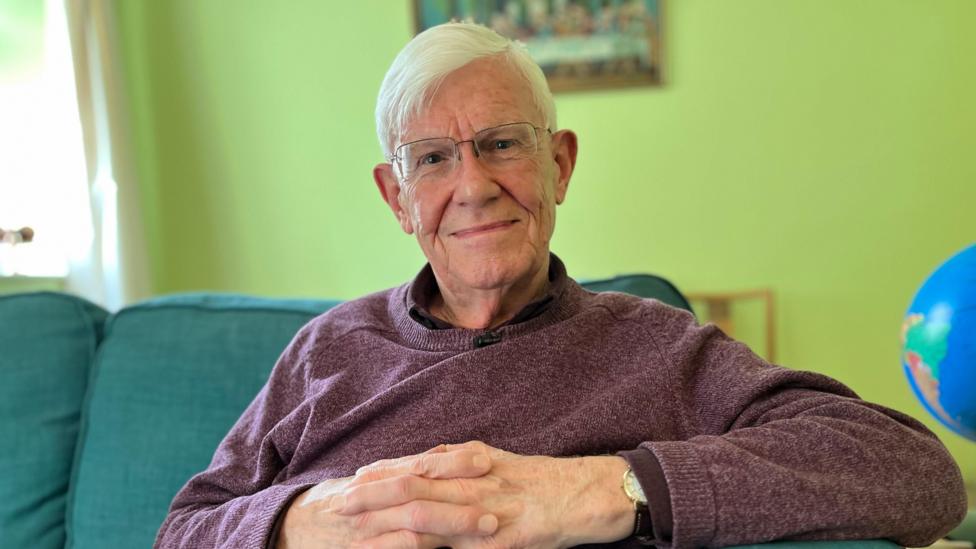
Pearson pursued the matter through a tribunal but lost his case. He now advocates for legislative change to require landlords to prepare leaseholders more effectively for anticipated major works.
Curo have failed us and need to be held to account. They have not picked up that there was this financial catastrophe coming along.
In response to Pearson's concerns, Snee stated:
I think sinking funds have been managed as well as we can in today's world with all of the pressures on costs and contracts.He explained that when decoration work takes place, it can significantly deplete accumulated funds, meaning that when a major project such as roof replacement is planned for four to five years ahead, leaseholders face the dual burden of funding the new work while rebuilding the depleted reserve.
What regulatory changes are underway?
The government is developing new legislation that would prohibit the use of leasehold arrangements for most newly constructed flats and establish a fresh right allowing leaseholders to request improvements. A 2024 law is expected to require managing agents to provide a comprehensive breakdown of service-charge costs, though this requirement has not yet come into force.
Recent developments suggest growing momentum for change. On 16 October 2026, Curo agreed to cap service charges for nine Weston-super-Mare families at just over £100 a month after they challenged increases of more than 300% at a tribunal. Additionally, a Housing Ombudsman decision dated 14 April 2026 found maladministration in Curo's handling of a leaseholder's concerns about communication and the quality of major works, though the ombudsman did not assess whether the costs themselves were reasonable, as that fell outside its jurisdiction.
What options are available to leaseholders with complaints?
Leaseholders dissatisfied with their service charges can raise complaints through MyCuro or directly with the association. If unsatisfied after Curo's Stage 2 response, they can escalate their complaint to the Housing Ombudsman for independent review. Curo's service-charge policy states that leaseholders receive annual details of expenditure, including sinking-fund statements, and that charges are reconciled against actual costs after the financial year.
Maddern's experience reflects broader concerns about how housing associations communicate major maintenance requirements and manage the financial impact on residents. While Snee emphasised the necessity of compliance with fire safety and property regulations, the cases of both Maddern and Pearson highlight the tension between protecting building safety and protecting leaseholders from sudden, unmanageable financial burdens.