Households across south-west England are struggling to afford heating oil this winter after prices surged dramatically following the US-Israeli conflict with Iran. According to BBC News, some residents have delayed purchasing fuel in hopes of price falls, while others fear they may be unable to heat their homes adequately. The government has announced new regulatory measures and is reviewing minimum purchase requirements in response to the crisis.
Heating fuel costs have risen by up to 82% since the conflict began, according to Minister for Energy Consumers Polly Billington. The price increases have been particularly severe for rural communities dependent on heating oil, with the Competition and Markets Authority finding that 1,700 households were owed compensation after supplier cancellations forced them to reorder oil at higher prices.
Billington told the BBC:
We need to make sure the market is working as fairly as possible.She highlighted that rural communities with many properties off the mains gas network were
some of the most exposedto the price increases.
How much have individual households been affected?
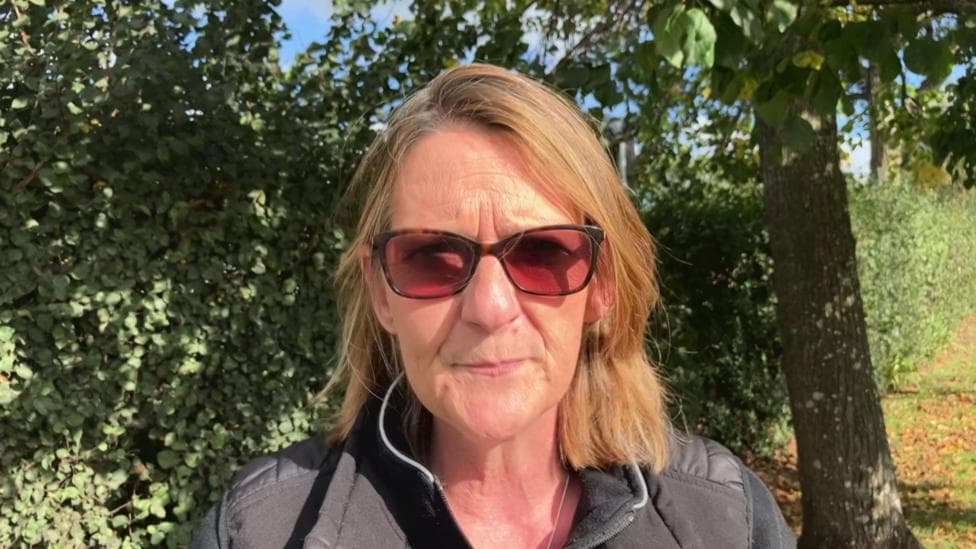
Residents across the region have reported dramatic increases in their heating bills. Nicola Sharpe from Dunsford, Devon, said she paid approximately £340 for 500 litres of heating oil a year ago, but the same quantity now costs just over £600.
I'm looking at ways to spread the cost when I have to bite the bullet and get it,she said, expressing scepticism about whether government intervention would reduce prices.
I can't see how regulating it is going to bring costs down.
Pauline Trubody, a 76-year-old from Porkellis, Cornwall, has already spent more on two deliveries of 500 litres this year than in previous years combined. She warned:
I probably won't put it [the heating] on as much as I would have. There is going to be a lot of people who can't afford it and folk who are going to go cold.
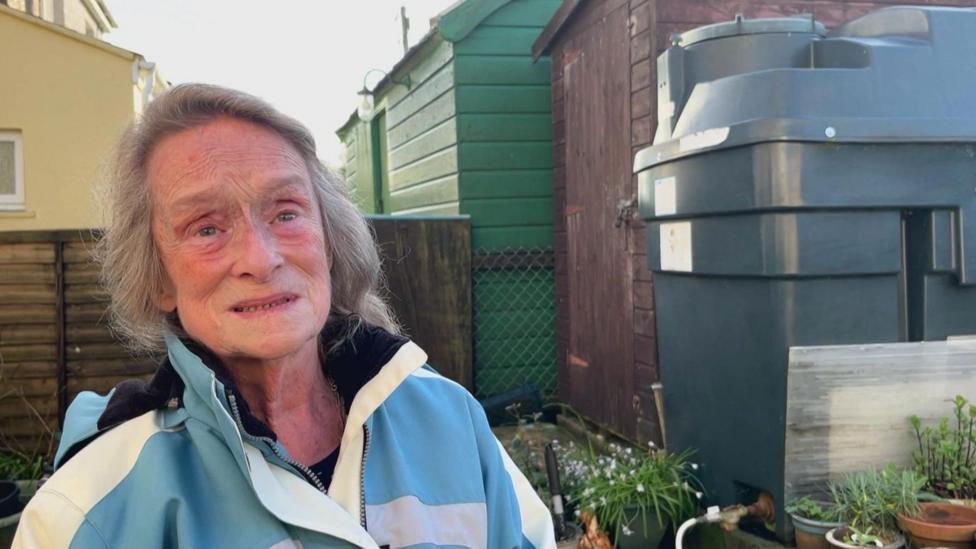
Lee Fossey from St Agnes, Cornwall, pays £30 monthly into a savings scheme to spread heating oil costs throughout the year. Despite her efforts to budget carefully, she said:
I have done everything I reasonably can to budget and prepare for winter, yet despite this, the dramatic increase in prices means I can no longer afford to fill my tank.She now faces the prospect of either having no heating this winter or diverting money intended for oil to alternative heating sources.
What is driving the price increases?
The surge in heating oil costs began following the escalation of the US-Israeli conflict with Iran. According to the government's response to the Competition and Markets Authority's market study, heating oil rose from about 55p per litre in February 2026 to 104p in March, and was rising again when the response was published. However, the CMA found that the recent price increases were largely driven by higher wholesale costs, rather than weak competition or excessive profits.
The scale of the problem extends beyond the south-west. Around 1.7 million UK households rely on heating oil for warmth, making them particularly vulnerable to wholesale price fluctuations. In March 2026, the government announced more than £50 million in targeted financial support for low-income households that heat their homes with oil, though many residents question whether this assistance is sufficient.
What measures is the government taking?
In October, the government promised tighter regulation of the heating oil sector. Ministers committed to strengthening rules, promoting competition among suppliers, and establishing clearer compensation routes for customers when problems occur. The government also pledged to review minimum order levels that some customers are required to purchase.
Billington told the BBC that rural communities with many properties off the mains gas network were particularly exposed to price volatility. However, the government has made clear it is not proposing a heating oil price cap. Instead, its approach will focus on targeted support for vulnerable households, market monitoring, and enhanced consumer protections.
On 13 October, the government formally accepted the Competition and Markets Authority's recommendations and said it would work with Ofgem, devolved governments, industry and consumer groups to develop options for regulating the sector.
What happens next?
The government says it will work with industry to develop a regulatory regime, though the announcement did not specify when stricter rules would take effect. Consumer groups and affected households are watching closely to see whether these measures will meaningfully reduce prices or simply add bureaucratic oversight without addressing the underlying cost pressures facing families this winter.