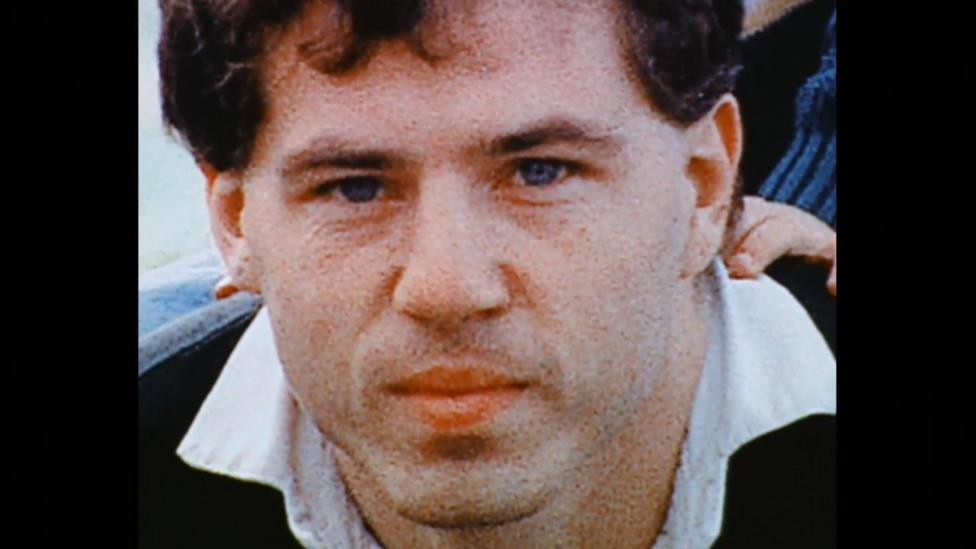
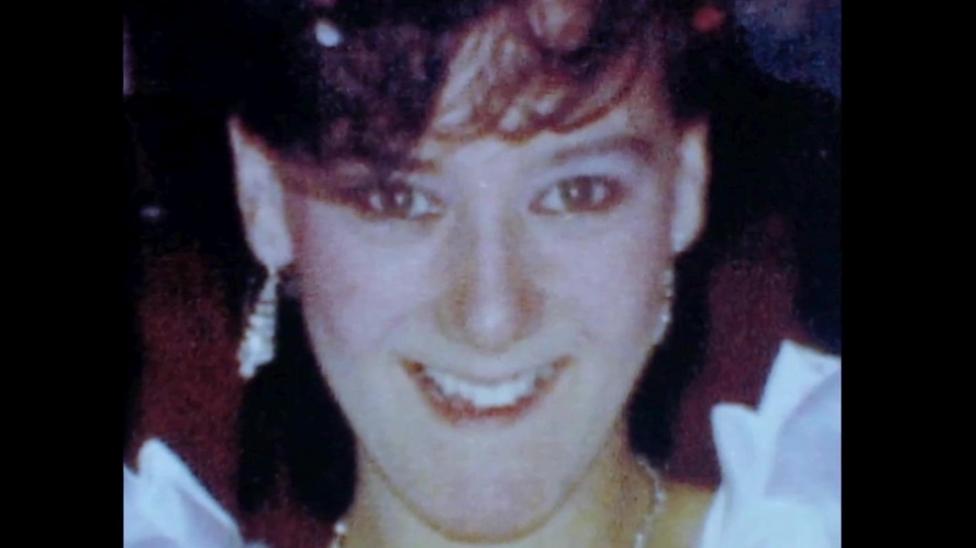
William Dunlop, now 63, has been recommended for release by the Parole Board after strangling Julie Hogg, 22, in Billingham, County Durham, in 1989 and concealing her mutilated body behind a bath panel. The recommendation comes after Dunlop's fourth application for review, and marks a significant moment in the case of the first person convicted under the reformed double jeopardy law. According to BBC News, the Parole Board's decision has prompted strong criticism from Hogg's family.
Dunlop was initially tried twice for the murder in the early 1990s, but both juries failed to reach verdicts. While serving a sentence for an unrelated crime three years later, he confessed to the killing and admitted he had lied in court, openly stating there was nothing authorities could do because the double jeopardy rule then prevented a second prosecution for the same offence. Hogg's family, including her mother, campaigned for 15 years to change this law. When the double jeopardy rule was reformed, Dunlop became the first person prosecuted under the new legislation. At his 2006 sentencing at the Old Bailey, the judge described the murder as "accompanied by the brutal sexual degradation of (her) body". Dunlop pleaded guilty and received a life sentence with a minimum term of 17 years.
What does the Parole Board recommendation mean?
The Parole Board's recommendation is not yet final. According to The Northern Echo, Justice Secretary David Lammy has 21 days to consider the provisional recommendation and may ask the Board to reconsider or refer the case to the High Court if he believes release could undermine public confidence in the parole system. A panel had previously recommended Dunlop's transfer to open prison on multiple occasions, but three justice secretaries had intervened to block those moves before this latest recommendation.
What conditions would apply if Dunlop is released?
If released, Dunlop would face stringent restrictions on his freedom. The Northern Echo reports that conditions would include a 12-month stay in a specialist hostel, electronic tagging, a curfew and lie-detector testing. At an October hearing, Dunlop's prison offender manager supported his release under these strict conditions, stating he had completed intensive treatment and his risks could be managed in the community.
How has the victim's family responded?
Kevin Hogg, Julie's son, has expressed profound frustration with the Parole Board's decision. He called the organisation "not fit for purpose" and questioned the value of victim personal statements, saying: "You know them victim personal statements? They mean absolutely nothing – nothing whatsoever and that's been proven time and time again." His comments reflect the family's long struggle to secure justice, beginning with their 15-year campaign to change the double jeopardy law that had initially prevented Dunlop's prosecution for the same crime twice.
What is the significance of this case?
Dunlop's case represents a landmark moment in English criminal law. The double jeopardy rule, which had existed for approximately 800 years, prevented anyone from being tried twice for the same offence. The reform that allowed Dunlop's second prosecution was a major change to the legal system, driven by the determination of Hogg's family to see him face justice after his initial trials ended without verdicts. His conviction in 2006 made him the first person to be tried under these new rules, establishing a precedent in cases where new evidence or changed circumstances warrant a second trial.
What happens next?
The Justice Secretary's 21-day period to consider the provisional recommendation is the next critical decision point. During this window, David Lammy will determine whether to accept the Parole Board's recommendation, request reconsideration, or escalate the matter to the High Court. The outcome of this review will determine whether Dunlop proceeds toward release or remains in custody.