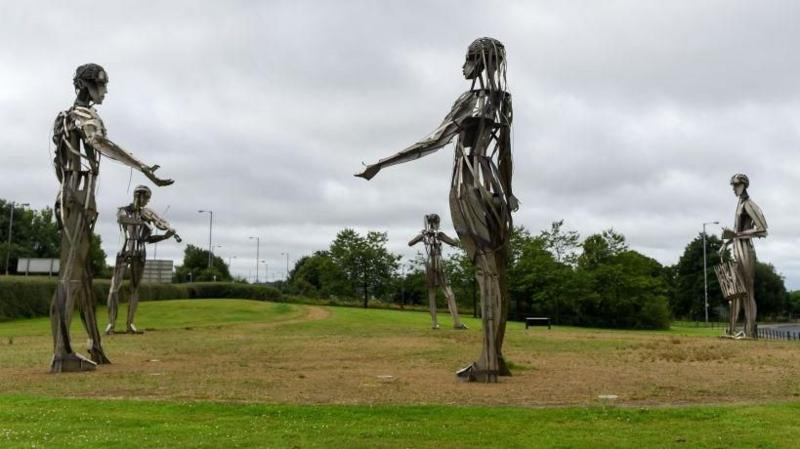
Derry City and Strabane District Council has withdrawn from the inaugural UK Town of Culture 2028 competition after the bid sparked significant community division over its national branding. According to BBC News, the council voted on Wednesday to abandon the pursuit of the £3 million prize, despite having already invested approximately £40,000 in the application process.
The mainly-nationalist town of Strabane in County Tyrone had been selected as one of 15 shortlisted locations competing for the title and associated funding to develop a year-long cultural programme. The decision to withdraw came after months of escalating controversy centred on the competition's "UK" designation, which prompted concerns from nationalist councillors and community members about the town's participation in a competition framed around British national identity.
The motion to cease the bid was put forward by independent councillors and received backing from the Social Democratic and Labour Party (SDLP) and Sinn Féin. Ulster Unionist Party (UUP) and Democratic Unionist Party (DUP) representatives voted against the withdrawal, viewing the opportunity as beneficial for Strabane's economic and cultural development.
Why did the branding become so contentious?
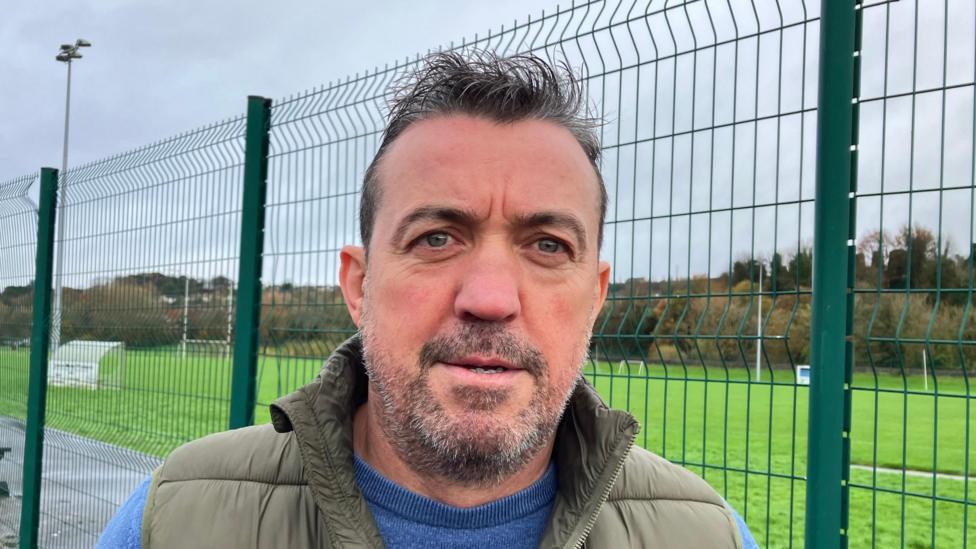
The "UK" framing of the competition proved to be a focal point of tension within the community. Independent councillor Paul Gallagher, who championed the motion to withdraw, stated that the bid had "caused great division in Strabane town" and that widespread concerns existed about the competition's national branding. He warned that proceeding would "create a major distrust in this council among the residents of Strabane" and that the town would become "a very uncomfortable place" if the application advanced, with potential for public protests.
Sinn Féin councillor Brian Harte explained that his party had decided to support the withdrawal after "consulting with and listening to representations from many people within the local community." He acknowledged that "the UK branding of this competition has prevented a large section of the local community and key groups from identifying with or participating in the bid." Harte also noted that the debate surrounding the branding had "become toxic in recent months," with council officials working on the application facing abuse, particularly through online channels.
SDLP councillor Catherine McDaid reinforced this position, stating that local concerns "need to be taken seriously" and that "a cultural initiative should bring people together."
What was the public response to the bid?
Public engagement sessions held in early November provided a clear indication of community sentiment. According to the council's feedback, 146 forms were returned from two public engagement events, with only six expressing support for the bid and 140 voicing opposition. This overwhelming rejection from residents significantly influenced the council's decision-making process.
What was the unionist perspective on the withdrawal?
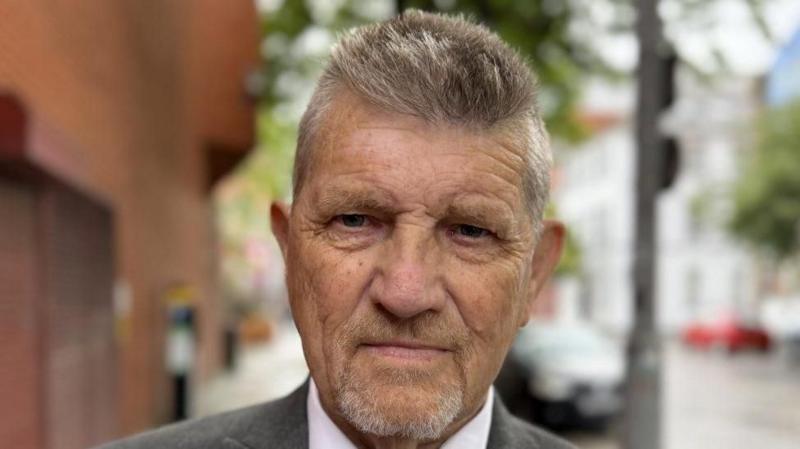
Unionist councillors expressed disappointment at the decision to abandon the competition. Ulster Unionist councillor Derek Hussey characterised the withdrawal as "remiss," arguing that Strabane and its residents were being denied an opportunity comparable to that enjoyed by Derry, which served as the inaugural UK City of Culture in 2013. He contended that remaining in the competition "could only be to the social and economic wellbeing of residents, business and visitors, long term as has been proved previously with the city's experience of having had the title of UK City of Culture."
Democratic Unionist Party councillor Keith Kerrigan similarly expressed regret, describing it as disappointing that the potential for an additional £3 million investment in Strabane was being forfeited at a time when the town was receiving wider investment attention.
What happens to the funding already spent?
The council had allocated approximately £40,000 towards the bid development, drawn from a £60,000 grant provided by the Department for Culture, Media and Sport (DCMS). According to the report prepared for councillors, this funding would require repayment if the bid did not progress to the final submission stage. The withdrawal therefore triggers an obligation to return the unspent portion of the grant.
What alternative plans are in place for Strabane?
Rather than abandoning cultural development entirely, the council's motion included an amendment committing it to developing its own cultural programme for Strabane in 2028. Independent councillor Jason Barr amended the motion to seek funding to build on work already completed and develop an arts and cultural year for the town. Sinn Féin indicated that council staff and stakeholder groups had already produced a cultural-programme template that could be built upon, suggesting that some of the preparatory work undertaken for the UK Town of Culture bid may be repurposed for this alternative initiative.
McDaid stated that "the priority now has to be to work on what has already been completed and looking into fresh opportunities for Strabane, shaped by what local people want and need, and grounded in their support."
What is the timeline for the remaining competition?
The withdrawal of Strabane leaves 14 other towns competing for the inaugural UK Town of Culture 2028 title. Full bids from the remaining shortlisted places are due by 5pm on 30 November 2026, with presentations scheduled for January–February 2027, finalist announcements in February, and the winner to be announced by 31 March 2027. The overall winner will receive £3 million to develop their cultural programme, while the two runner-up finalists will each receive £250,000.
Background to the bid process
Strabane's journey through the competition began in March 2026, when the council's Business and Culture Committee endorsed submitting an expression of interest. The town was subsequently shortlisted in July from 400 expressions of interest nationwide. The council had mandated the bid process in March, and according to Sinn Féin councillor Brian Harte, no Strabane councillors objected to the process at that time, suggesting that opposition to the "UK" branding emerged only as the bid progressed and public consultation took place.
The vote to withdraw passed with UUP and DUP representatives voting against the motion, while all other councillors voted in favour.