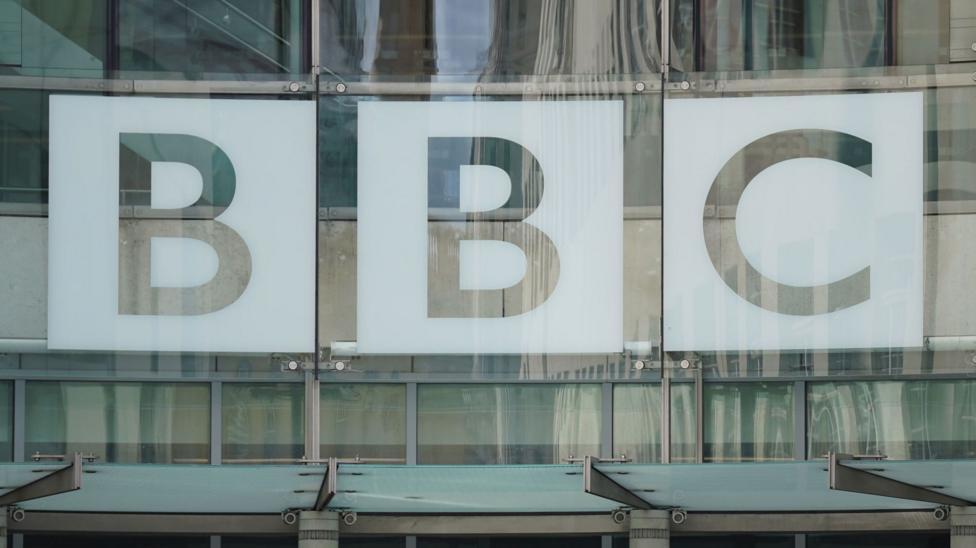
The government's independent adviser on antisemitism has initiated a formal investigation into the BBC following allegations that Jewish staff members face a hostile work environment within the corporation. Lord Mann announced the inquiry after receiving reports of growing discomfort among Jewish employees, stating he intends to establish whether such concerns are widespread and, if so, whether they reflect systemic problems requiring urgent action at senior management level.
According to BBC News, Lord Mann told the BBC Radio 4 Today programme that he had decided to launch the investigation because "there seems to be a growing feeling of discomfort among Jewish staff". He explained his reasoning:
If that's true, and that's what I'm going to attempt to find out, and if that is widespread, then that's a really serious problem that has to be addressed. And I don't hear and see that being addressed, and at a senior level.
The BBC responded by reaffirming its commitment to creating an inclusive workplace. The corporation stated it takes
any and all allegations of discrimination extremely seriously – there is no place for it at the BBC, and noted that it has implemented mandatory antisemitism training for all staff members. The broadcaster also said it actively encourages employees to report incidents or concerns, adding that it is
determined to ensure the BBC is a place where everyone can be themselves and feel accepted.
What specific concerns have been raised?
According to Jewish News, Mann's inquiry will examine claims that Jewish journalists' story pitches were rejected and that colleagues questioned their professional motives because of their religion. Mann has described the alleged problem as potentially institutional in nature. He also reported that some Jewish BBC staff felt pressure to prove they were a
good Jew, and that Jewish employees were sometimes asked to provide perspectives on global matters in ways that singled them out from other colleagues.
Lord Mann, appointed by former Prime Minister Theresa May in 2019 as an independent adviser on antisemitism, stressed that anyone contacting him would receive
total anonymity guaranteed. He told the Today programme:
I have no agenda against the BBC, describing himself as
an entirely blank sheet of paper. However, he also stated:
Some of the things that I'm being told have been quite disturbing sometimes, how little the senior manager of the BBC seem to get it, and so I'm opening this up.
Has the BBC previously acknowledged these issues?
The BBC's deputy director-general Rhodri Talfan Davies has previously resisted calls for an independent inquiry. According to The National, Davies told members of the Broadcasting Press Guild earlier this month that the corporation has
very, very robust processes – we review them regularly. He argued that while any large organisation may experience instances of discrimination,
there is no evidence of any systemic issue within the BBC that would merit anything like that. Davies added:
I don't believe there is institutional discrimination of any sort in the BBC, but I think as an organisation you always have to look harder and review how you go about identifying issues, and that work is never done.
Lord Mann has previously made suggestions to the BBC after repeatedly meeting with Jewish staff members. He indicated that the steps the corporation has taken to address these concerns have not been effective. His stated objective is
ensuring the BBC meets its charter obligations, noting that
people are fearful... of expressing their concerns internally, that's the problem.
What is the broader context for this investigation?
This inquiry comes as the BBC's royal charter is due for renewal next year, a process Mann indicated makes reform fundamental to the broadcaster's future. The investigation also follows a pattern of recent antisemitism-related developments across British institutions. In May 2026, Sir Keir Starmer hosted a Downing Street summit with leaders from various sectors to address rising antisemitism, and the government subsequently mandated universities to publish antisemitism data. Additionally, Jewish students at more than 10 UK universities have reported that antisemitism has become normalised, with some concealing their identity amid hostility and abuse on campus.
What recent incidents has the BBC faced?
The BBC has confronted several high-profile antisemitism-related controversies in recent months. Last month, Oscar-winning producer Lucie Kon disclosed that the BBC had provided her with a £400,000 settlement after she raised antisemitism concerns. The BBC stated it did not uphold allegations of antisemitism but acknowledged
shortcomingsin how it treated Kon, which had a
personal impacton her, though the corporation did not specify the nature of these shortcomings.
In January, the BBC apologised for language used during Holocaust Memorial Day coverage, stating that programmes should have referred to
six million Jewish peoplehaving been murdered by the Nazi regime, rather than
six million peopleor
six million mostly Jewish people. Additionally, in September, the BBC's broadcast of Bob Vylan's set at Glastonbury was found to have breached editorial guidelines relating to harm and offence, with the corporation's complaints unit determining that some comments could
fairly be characterised as antisemitic. The band denied being antisemitic.
What support has the investigation received?
The Board of Deputies of British Jews welcomed the review, describing the experiences of Jewish staff at the BBC as
deeply concerning. In a statement, the organisation said:
The BBC is an important national institution and should be setting the gold standard for an inclusive workplace and impartial broadcasting. We stand ready to support both Lord Mann and the BBC in addressing these concerns, rebuilding confidence within the Jewish community and ensuring that the BBC sets an example for other broadcasters to follow.
What happens next?
Lord Mann plans to have his investigation
totally completed and reported to the BBC and the government before Easter. He is expected to announce the inquiry formally in a speech in Manchester on Thursday night and will submit recommendations to Culture Secretary Lisa Nandy. The review is anticipated to take several months to complete. Mann previously conducted a review into antisemitism and racism in the NHS, which was commissioned by the health secretary and reported in June.
Key Facts
- Lord Mann, appointed as the government's independent adviser on antisemitism in 2019, has launched an investigation into alleged hostile work environment for Jewish staff at the BBC
- The inquiry will examine claims that Jewish journalists' story pitches were rejected and that colleagues questioned their motives based on their religion
- The BBC's deputy director-general has previously stated there is no evidence of systemic issues requiring an independent inquiry
- The investigation is expected to be completed and reported before Easter, with recommendations to be submitted to Culture Secretary Lisa Nandy
- The Board of Deputies of British Jews has expressed support for the review and offered to assist both Lord Mann and the BBC in addressing the concerns