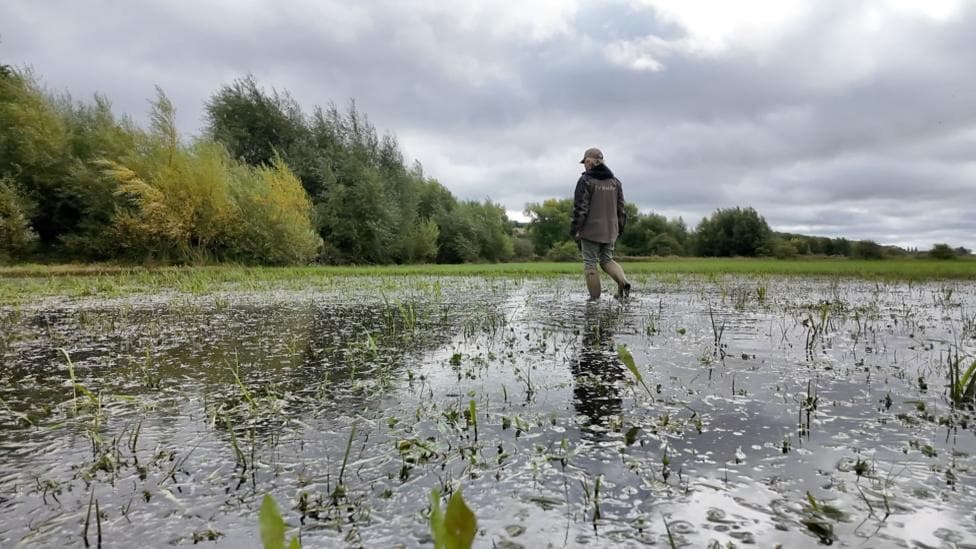
A conservation charity in Oxfordshire faces the prospect of losing a significant funding grant after a burst water main caused repeated flooding at a rare habitat site, disrupting vital restoration work for the fourth time.
Long Mead Local Wildlife Site at Swinford, near the River Thames, has been inundated due to mains failures on multiple occasions. While the meadow naturally experiences winter flooding, standing water during the growing season causes severe damage to the specialised ecosystem and the plants within it.
Catriona Bass, director of the Long Mead Foundation, expressed serious concern about the impact.
It's already starting to stagnate, so that's serious,she said.
Floodplain meadows are used to flooding in winter when the plants are dormant. These meadows don't flood typically in summer and when they do it's a disaster because the plants are growing - so it kills off the plants.
The latest flooding was discovered on 1 September, the very day when restoration work was scheduled to begin following the previous incident. The timing has created additional pressure on the charity's timeline.
We planned on the 1st September to do this massive restoration project to deal with the previous floods and now we're not going to be able to,Bass explained.
The Long Mead Foundation had already experienced what charity filings describe as early unprecedented flooding that curtailed planting and forced plants to be carried over to the next season, indicating this is part of a longer pattern of disruption.
Why is this meadow so important?
Long Mead serves as a critical donor site for a wider restoration programme across Oxfordshire. The floodplain meadow habitat is exceptionally rare in the United Kingdom, with only four square miles existing in total—an area equivalent in size to Heathrow Airport. The site is home to deep-rooting wild flowers and grasses including great burnet and devil's-bit scabious, species that have become scarce in the modern landscape.
The Long Mead Foundation has worked to increase the UK's limited floodplain hay meadow resource as part of the Thames Valley Wildflower Meadow Restoration Project, established with a Green Recovery Challenge Fund grant in 2021. The foundation has also secured leases at Eynsham Lock and nearby fields to recreate wildflower meadows that had existed there since Domesday before being lost to farming and development.


Devil's-bit scabious is particularly significant because it supports a wide range of pollinators, notably the declining Marsh Fritillary butterfly. The conservation work at Long Mead directly contributes to protecting these species and their habitats.
How does the site support restoration elsewhere?
Volunteers working at Long Mead have hand-grown more than 11,500 individual specialist plants. Seed gathered from the floodplain meadow is cultivated and then transplanted to other restoration sites around Oxfordshire, making the site central to the county's broader habitat recovery efforts.

The Long Mead Foundation received £59,612 over three years from Oxfordshire Community Foundation for conservation and enhancement of floodplain meadows along the Upper Thames. Conservationists have expressed concern that the repeated flooding and resulting delays to restoration work could jeopardise the completion of projects within the timeframe required by their funding agreements.
What is Thames Water's response?
Thames Water confirmed that the latest leak had been repaired and stated its commitment to protecting local wildlife sites. A company spokesperson said:
We are sorry for the disruption caused and remain committed to protecting local wildlife sites. We have repaired a recent burst in Bettys Meadow and traffic management equipment is due to be removed shortly. The repair took longer than anticipated due to heavy rainfall and the volume of water, which meant our engineers were unable to safely access and repair the pipework until conditions improved. We will continue to assess the condition of the water main and review any further measures needed to help safeguard the area in the future.
According to Thames Water's live update, specialists had located the burst at Betty's Meadow and were carrying out repair work, with water diverted around the damaged section of pipe. The utility company indicated that the site would require further work over the coming days to prepare for the full repair, suggesting the response was still ongoing following the initial burst.
What happens next?
Thames Water's teams will continue working over the next few days to prepare the site for the full repair. Traffic management equipment is due to be removed shortly after repairs are completed. The utility company has committed to assessing the condition of the water main and reviewing further measures needed to protect the area in the future.
For the Long Mead Foundation, the priority is completing the restoration project that was scheduled to begin on 1 September. The success of this work is essential not only for the immediate recovery of the meadow but also for maintaining the funding relationships that support the broader Thames Valley restoration initiative.