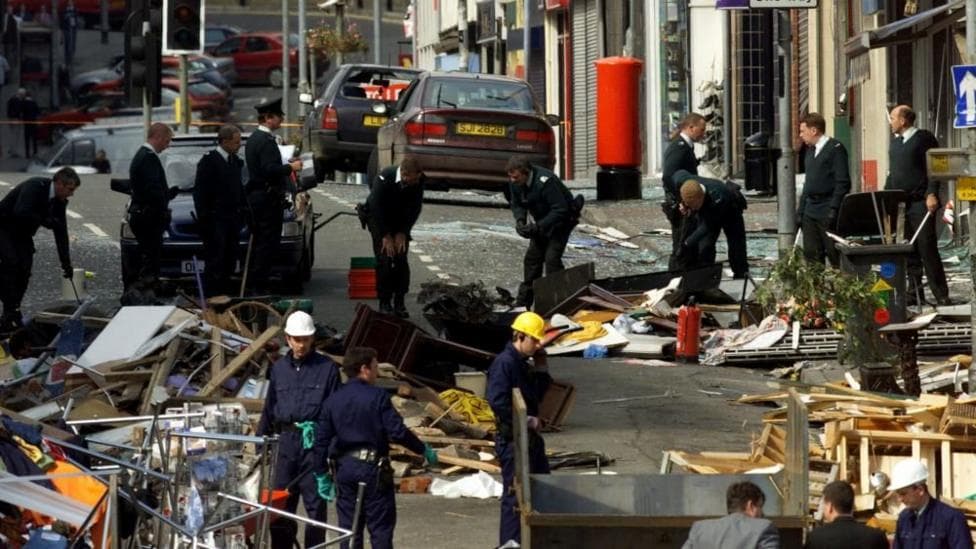
The ongoing Omagh bomb inquiry has received pre-recorded video testimony from a senior Irish police detective regarding the vehicle that transported the explosive device to the town on 15 August 1998. Det Supt Emmett Casserly of An Garda Síochána was questioned by the inquiry team on 1 September in Dublin, with the Irish government having amended legislation specifically to permit his participation.
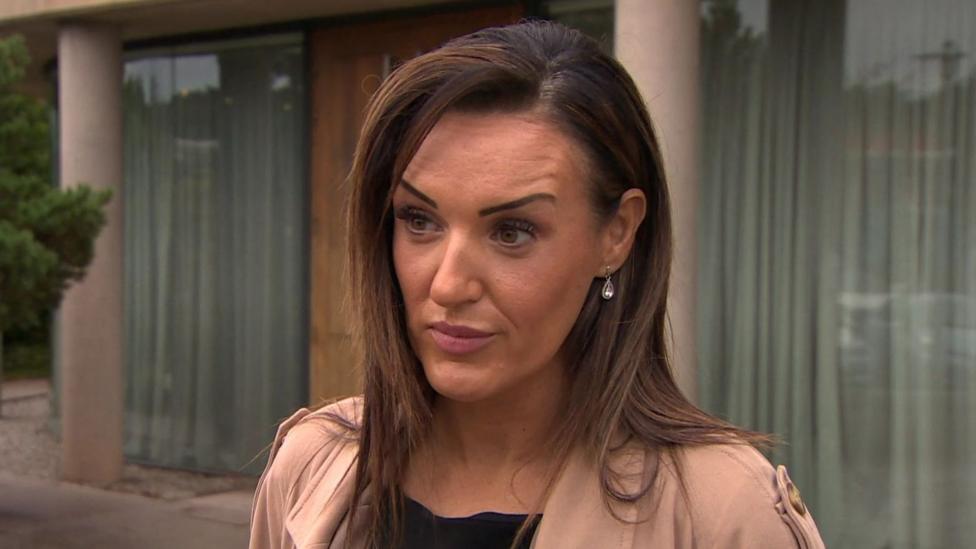
The testimony has drawn sharp criticism from families of those killed. Claire Hayes, whose brother Alan Radford died in the attack that claimed 29 lives including unborn twins, characterised the Irish state's involvement as inadequate.
They said they would leave no stone unturned, and what we have heard today has been a reiteration of facts that we already know,she stated. The counsel to the inquiry acknowledged that the pre-recorded format carried inherent
limitationsin the evidence-gathering process.
The inquiry's third phase commenced on 21 September 2026, focusing on how the bombing was executed and identifying those responsible. Counsel indicated there are sound reasons to believe as many as 14 men were involved in the plot, with evidence suggesting operational cooperation between the Real IRA and other dissident republican factions.
What evidence emerged about the stolen vehicle?
The inquiry established that the maroon Vauxhall Cavalier was obtained specifically for the bombing operation. During the pre-recorded interview lasting just over an hour, Paul Greaney KC guided Casserly through the Gardaí's accumulated evidence on the bomb car, which amounted to 107 boxes of material from the time of the bombing.
Casserly revealed that on the night of 13 August when the vehicle was taken in Carrickmacross, County Monaghan, three additional attempts were made to steal comparable cars in the same town during the early morning hours. He characterised Carrickmacross as a thriving market town with
traffic going through it at all times of the days and night, while noting that the residential street from which the car was stolen
wouldn't have been known for anything other than being a quiet residential area.
The RUC received notification of the theft the following day and incorporated it into a register of stolen and recovered vehicles within the Irish Republic. Gardaí did not examine the theft scene until 18 August—three days after the bombing—and that investigation produced no forensic findings.
Following the attack, a Gardaí appeal for information yielded three potential witnesses to the vehicle's movements. One garda officer observed the car in Carrickmacross with two occupants and furnished a detailed account of the driver's appearance. A second witness reported seeing the vehicle in a Crossmaglen car park at 10:45 BST on 13 August, noting the Donegal registration as
unusual in Crossmaglen. Approximately one hour later, a maroon vehicle matching the description was spotted near Castlebellingham, 16 miles from Dundalk in County Louth.
The inquiry's working hypothesis identifies Anthony Donegan as the person who stole the bomb car in Carrickmacross, though the inquiry has also identified 27 key individuals linked to the 1998 bombing investigations.

What are the limitations of the pre-recorded format?
Following the playback of the detective's interview, Mr Greaney KC observed that the evidence-gathering methodology possessed significant constraints. He characterised it as lacking
the full dynamic process of questioning and pressing of witnesses. He further indicated that the inquiry process had generated additional questions requiring answers from the Gardaí.
We do fully intend to utilise the procedure to seek answers from the Republic of Ireland to the outstanding questions which undoubtedly do exist,he stated. Garda officers and other state witnesses had previously been unable to participate in the inquiry due to national security considerations. In June, the Irish government enacted new legislation permitting agreed questions to be submitted to the Gardaí and other state witnesses in an Irish court before a judge, with responses recorded for the inquiry's use.
Earlier in the week, counsel to the inquiry noted that the Irish government had cooperated by disclosing substantial documentation forming a significant component of the current phase's work.
Why are victim families expressing frustration?
Hayes emphasised that the pre-recorded interview format prevented families and legal representatives of victims from posing their own questions to the detective and broader Gardaí force.
That shows the level of input they are willing to put into our inquiry,she remarked. She contended that the evidence presented on Thursday merely restated information families have possessed for 28 years.
The knowledge we have heard for the past couple of days... has been from south of the border. There is a lot more that lies from south of the border than what we're getting at the moment,Hayes stated. She expressed disappointment at what she perceived as a breach of the commitment that
families would be at the centreof the inquiry process.
We feel very much like the families are not at the centre of this inquiry whatsoever,she concluded.
What is the background to the Omagh bombing?
The Omagh bomb detonated on 15 August 1998, killing 29 individuals including a woman carrying twins. The blast injured more than 200 people. No criminal conviction has ever been secured for the atrocity. Three days following the attack, the Real IRA issued a statement accepting responsibility, apologising to civilian victims and claiming its targets had been commercial premises.
In 2009, Michael McKevitt, Liam Campbell, Colm Murphy and Seamus Daly were ordered to pay a combined £1.6 million in damages to relatives through a civil court ruling, though appeals against the decision prolonged the compensation process. The inquiry was established to determine whether the bombing could have been prevented by UK state authorities.
What happens next in the inquiry?
The inquiry is scheduled to continue receiving evidence this week from the senior Garda detective regarding the vehicle theft in Carrickmacross. The current phase, which commenced on 21 September 2026, is anticipated to run for approximately four to five weeks, with reporting suggesting completion around mid-to-late October 2026. The inquiry's published schedule indicates evidential hearings will persist throughout this period, examining the bombing's preparation, the device's construction, and the bomb car's movements. Future chapters of the inquiry are also expected to examine 32 other attacks and attempted attacks for potential connections to the Omagh bombing.
Key Facts
- The maroon Vauxhall Cavalier used in the bombing was stolen in Carrickmacross on 13 August 1998, with three other vehicle theft attempts occurring the same night
- The Gardaí accumulated 107 boxes of evidence regarding the bomb car from the time of the attack
- The inquiry's third phase opened on 21 September 2026 and is expected to continue for four to five weeks
- The inquiry's working hypothesis identifies 27 key individuals linked to the bombing, with counsel suggesting as many as 14 men were involved in the plot
- No criminal conviction has been secured for the 1998 attack that killed 29 people and injured more than 200