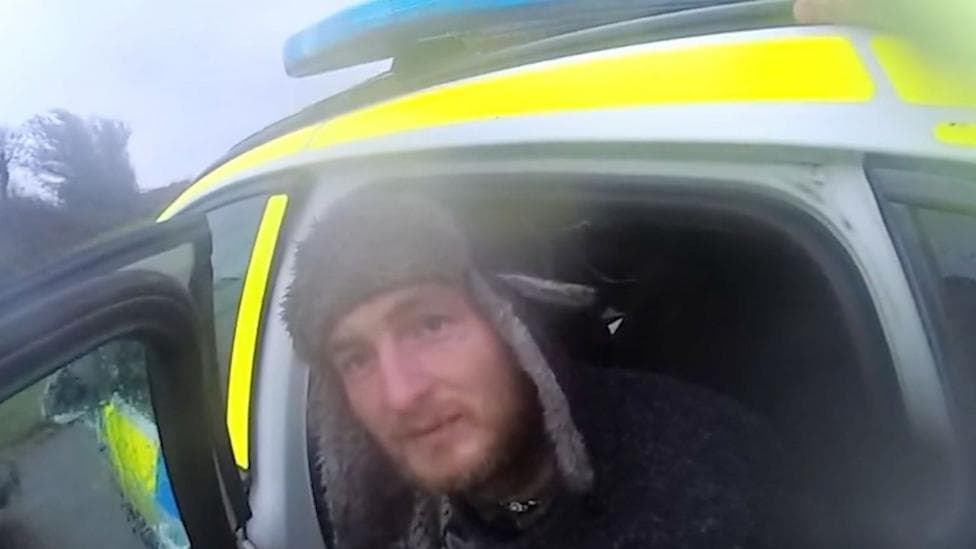
Alexander Lewis-Ranwell's mother made multiple attempts to alert officers that her son was experiencing a severe mental health crisis and posed a danger to others, yet he was released from custody less than 48 hours before he fatally attacked three elderly men in Exeter on 10 February 2019, according to evidence presented at ongoing inquests.
Jill Lewis-Ranwell described calling Barnstaple police station repeatedly during her son's first arrest on 8 February 2019 to emphasise his history of violence during psychotic episodes. She warned officers that he was displaying signs of acute mental distress, including making bizarre statements and exhibiting aggressive behaviour. Despite these warnings, Lewis-Ranwell, now 35, was released in the early hours of 9 February and taken to a safe sleep centre.
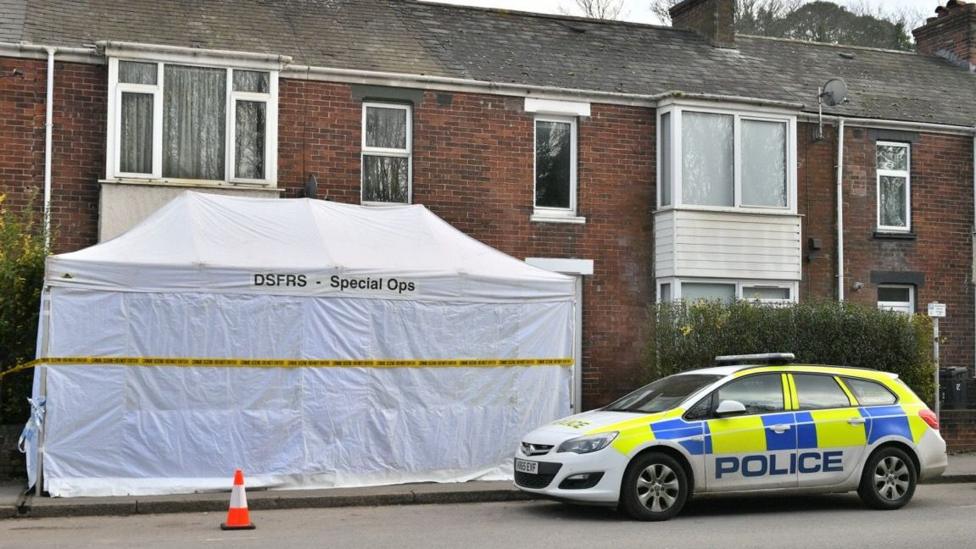
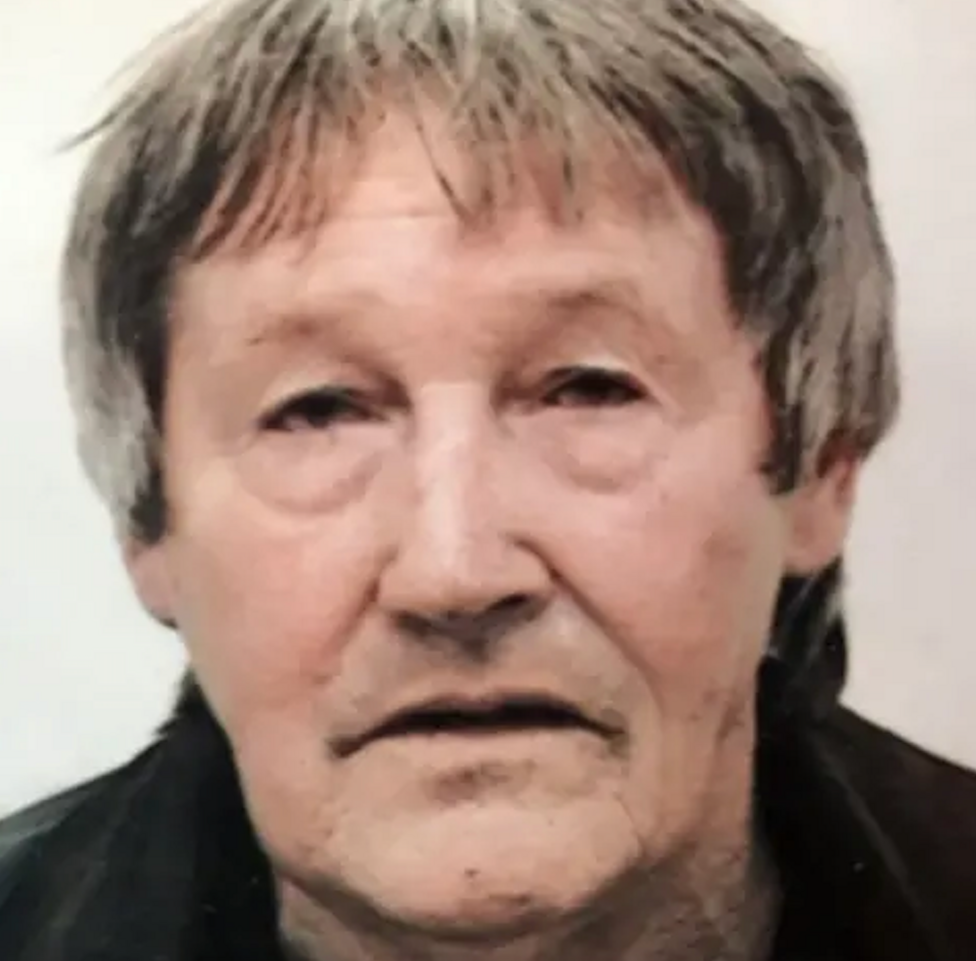
Within two days, he killed Anthony Payne, 80, and twins Roger and Dick Carter, 84. According to reporting from the ongoing inquest hearings, jurors were told that Lewis-Ranwell was still wearing the grey tracksuit issued to him during his arrest when he carried out the attacks, which occurred approximately three hours apart at two separate addresses roughly a mile and a half apart.
What warnings did his mother give to police?
Jill Lewis-Ranwell provided detailed accounts to officers about her son's mental state during the first arrest period. She explained that when Lewis-Ranwell called her from custody that evening, he was saying "odd things, like I wasn't really his mother", and she recognised these as signs of a psychotic episode based on his previous mental health history.
In her statement to the inquest, she recounted a lengthy conversation with a police officer in which she described her son's symptoms and his aggressive behaviour when unwell.
"I told them he had a history of violence when unwell and that I would have grave concerns if he was released."She added that when unwell, he was "vile" and engaged in disturbing behaviour such as urinating in inappropriate places.
Jill Lewis-Ranwell also referenced a previous mental health crisis in 2017 when her son had displayed bizarre behaviour that frightened her. During that episode, she had taken him to Barnstaple police station hoping he would be sectioned under the Mental Health Act, only for him to be released. He was eventually sectioned, but only after being arrested following a police chase on a London road that involved a helicopter deployment.
When she did not hear from police on the evening of 8 February, she called the station again at approximately 22:00.
"I said I would be extremely concerned should he be released, not just for the violence and the way he was but for his own safety."She received notification at around 02:00 on 9 February that her son was being released and taken to a safe sleep centre.
"I thought it was madness,"she told the inquest, expressing her belief that he was not well enough to be released, particularly given that he was being discharged in the middle of the night in cold weather while experiencing mental illness.
What was the custody officer's assessment?
Custody officer Smith, who booked Lewis-Ranwell into Barnstaple police station, assessed him as low risk and assigned him the lowest level of observations—a check once every 30 minutes. Her detention log noted that he had previously been detained twice for psychosis and was on medicines for mental health but was not currently medicated. She recorded that he "makes odd comments" but described him as a "nice guy" and "very cooperative".

Smith acknowledged that she was not made aware of comments made by arresting officers during the incidents that led to his arrest. Those comments included officers saying Lewis-Ranwell "isn't right" and "it's mental health isn't it", with one officer stating: "He's going to cause mayhem this bloke."
Nick Armstrong KC, representing the families of the Carter brothers and Payne, questioned whether Smith's "jokey and bantering" rapport-building approach had caused her to overlook critical warning signs. He also highlighted that CCTV footage of the booking process showed an officer emptying Lewis-Ranwell's bag and commenting that an item appeared to be mushrooms. Armstrong asked whether anyone had verified that the substance was not magic mushrooms, given Lewis-Ranwell's documented history of drug-induced psychosis. Smith said she did not believe the item had been checked and stated that in her opinion he was not under the influence of any drug.
When asked whether she had reflected on the detention in light of the subsequent killings and whether she thought warning signs had been missed, Smith told the jury that she had left custody after this case and was "shocked".
"You can't foresee what a person is going to do to themselves or others,"she said.
What was the mental health assessment?
Carren Davies, a mental health practitioner with Devon Partnership Trust's liaison and diversion team, stated that custody staff requested her assessment of Lewis-Ranwell because they were aware of his mental health history. Davies offered him an assessment and help accessing services such as housing, both of which he declined. She told the inquest that there was "nothing that suggested to me that he lacked the capacity to make these decisions" and that when asked, he "denied he was a current risk to himself or others".
What was Lewis-Ranwell's psychiatric history?
Records presented at the inquest detailed Lewis-Ranwell's previous psychiatric admissions. He had been detained under the Mental Health Act from June to September 2016 and again from August to November 2017. His first admission records contained a diagnosis of "drug-induced psychosis or paranoid schizophrenia". According to evidence heard at the inquest, jurors were told that Lewis-Ranwell held delusional beliefs that people were kidnapped and that paedophiles were involved in a conspiracy.
What happened after his release?
Lewis-Ranwell was arrested twice before the killings occurred. Following his release from custody in the early hours of 9 February, he killed the three elderly men. All three victims died from head injuries. At trial later in 2019, Lewis-Ranwell was found not guilty of murder by reason of insanity and was given a direct hospital order, meaning he was detained in a psychiatric hospital rather than serving a prison sentence.
The case has raised significant questions about police procedures and mental health assessment protocols. According to reporting from the inquest hearings on 24 September 2026, the custody officer involved expressed shock at the subsequent killings, providing further testimony about the circumstances of the first arrest period.
The inquests have faced procedural challenges. Devon and Cornwall Police failed to disclose extensive CCTV evidence during the inquest preparation, with an additional 55 hours of footage discovered late in the process, leading to previous adjournments. A January 2026 court ruling allowed a negligence claim connected to the case to be struck out, though the inquest itself has proceeded.
What happens next in the inquest?
The inquest into the deaths of Anthony Payne and twins Dick and Roger Carter remains ongoing. The inquest continues with further evidence expected to be heard, though no firm date for conclusion has been announced. Lewis-Ranwell was designated an "interested person" in the proceedings but chose not to participate.
Key Facts
- Alexander Lewis-Ranwell killed Anthony Payne, 80, and twins Roger and Dick Carter, 84, on 10 February 2019, less than 48 hours after his mother warned police he was experiencing a psychotic episode
- His mother made multiple calls to Barnstaple police station on 8 February warning officers of his history of violence and mental health crisis, but he was released in the early hours of 9 February
- Lewis-Ranwell had been detained under the Mental Health Act twice previously, with records indicating a diagnosis of drug-induced psychosis or paranoid schizophrenia
- At trial in 2019, he was found not guilty of murder by reason of insanity and given a direct hospital order
- The ongoing inquest has heard evidence about police procedures, mental health assessment, and the circumstances of his release from custody