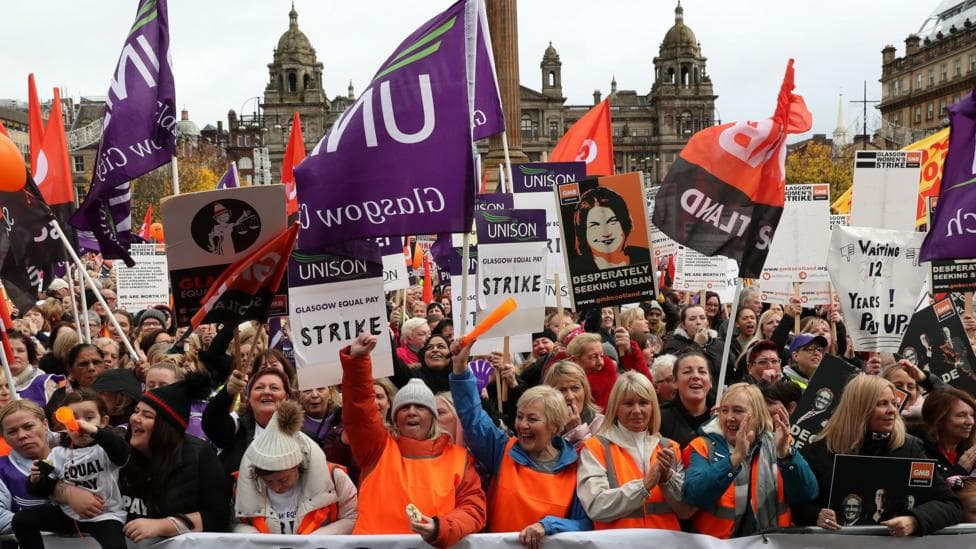
Glasgow City Council is to dismiss more than 23,000 non-teaching employees and then re-engage them on new contracts after negotiations with three major unions collapsed on Wednesday.
The authority will send dismissal letters to affected staff next week, with fresh contracts taking effect from 1 January 2027. The breakdown in talks followed Unison's refusal to put a revised pay proposal to its members for a ballot, prompting the council to move toward the fire-and-rehire approach.
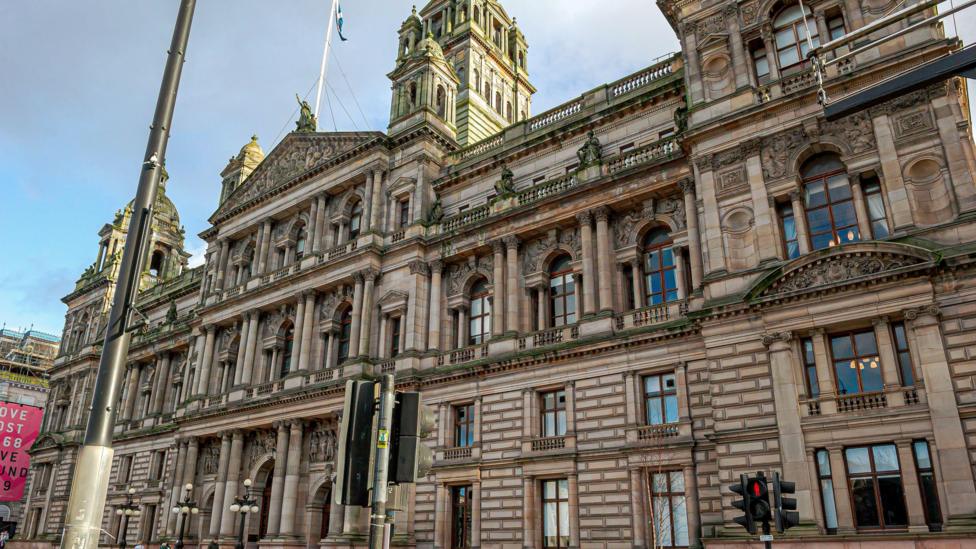
The dispute centres on implementation of a new pay and grading system designed to remedy historical discrimination against predominantly female workers in lower-paid roles. However, the restructure means approximately 11% of employees will experience wage reductions, with the largest individual loss estimated at around £11,500.
What triggered the breakdown in negotiations?
Talks between the council and GMB, Unison and Unite unions fell apart when Unison declined to proceed with a member ballot on the council's latest pay offer. According to local reporting, the council had positioned the new contracts and January implementation date as contingent on union agreement to ballot members.
Colin Edgar, the council's director of communications and corporate governance, stated in a council statement that Unison had "betrayed its own members" by refusing to allow them to vote on the offer. He claimed the union's decision meant there was now "no agreed way forward between the council and the joint trade unions."
Edgar also alleged that Unison had failed to attend a scheduled meeting with council officials earlier in the negotiation process.
What does the new pay structure include?
The revised pay and grading scheme would see 85% of evaluated employees receive pay increases or maintain their current salary, while 11% face reductions. The council's total pay bill would rise substantially under the new arrangement.
For staff experiencing wage cuts, the council negotiated an increase in pay protection from six months to 12 months. According to reporting on the council's earlier approval, some unions have been working on local consultations to mitigate the impact on affected colleagues, focusing on specific solutions.

The council's statement indicated that the rejected offer would have removed dismissals from the table and provided additional cash for staff members across all unions who are owed back pay.
Why is the council pursuing this restructure?
Glasgow City Council has been addressing equal pay liabilities for years. The authority previously paid approximately £770 million in settlements after it emerged that female workers in roles such as catering and cleaning had been receiving up to £3 per hour less than those in male-dominated positions such as refuse collection.
The new job evaluation scheme was created to resolve this historical discrimination by aligning pay scales with equality law requirements. However, depending on how the new scheme reclassified individual roles, some staff would face wage reductions as a consequence of the reclassification process.
According to audit material, the council had committed to implementing the new pay and grading structure by April 2027 as the latest possible date before further equal pay liabilities could accumulate.
What is the position of GMB and Unite?
GMB and Unite unions had secured an additional £110 million in funding for the restructure package to address key issues affecting what they described as "the vast majority of our members." Both unions sent messages to staff warning that the fire-and-rehire policy might be introduced, and stating that the extra money was now "hanging by a thread."
Both unions called on the council to table the offer so members could make an informed decision through a ballot. They stated that if the council proceeds with the fire-and-rehire approach, both unions will "immediately enter into dispute to secure the improved package and halt fire and rehire."
What is the wider financial context?
The pay restructure dispute is unfolding against a backdrop of severe financial pressure on the council. According to reporting on the authority's financial position, Glasgow is at a "critical point" over a £110 million budget gap and unresolved equal pay liabilities, creating additional urgency around resolving the pay issue.
What happens next?
Dismissal letters are scheduled to be sent to non-teaching staff next week, with new contracts taking effect from 1 January 2027. The council has indicated that redundancy notices would be withdrawn if the three unions agreed to ballot their members on the pay offer, but that condition has not been met.
Unison has been contacted for comment on the council's decision to proceed with dismissals.
Key Facts
- More than 23,000 non-teaching council employees will receive dismissal notices, to be re-engaged on new contracts from 1 January 2027
- The new pay and grading system would increase pay for 85% of staff while reducing wages for 11%, with the largest individual cut estimated at £11,500
- The restructure is designed to remedy a historical equal pay dispute that has cost the council approximately £770 million in settlements
- GMB and Unite unions have secured an additional £110 million in funding for the package and have threatened to enter dispute if fire-and-rehire proceeds
- The council had previously committed to implementing the new pay structure by April 2027 as a deadline to prevent further equal pay liabilities