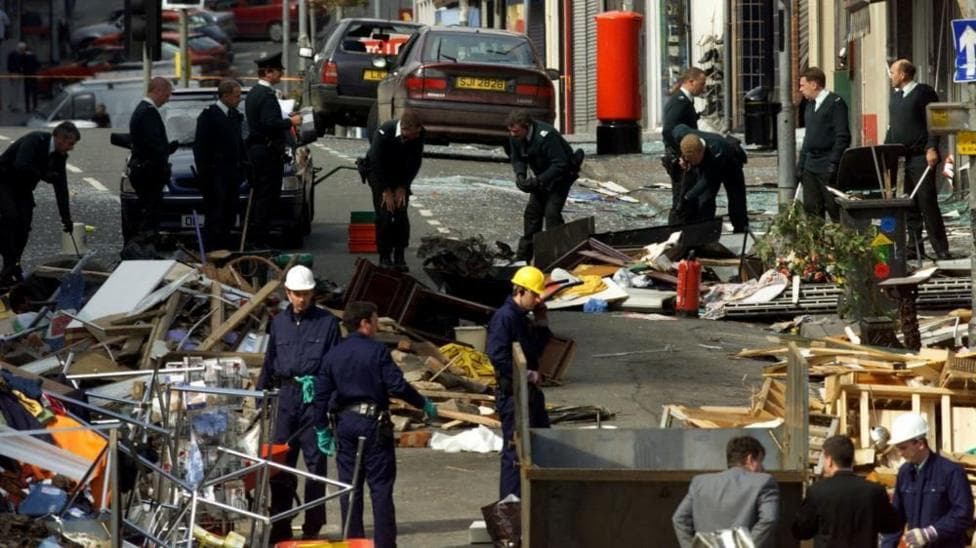
The Omagh Bombing Inquiry will enter a new phase of hearings beginning on 21 September 2026, examining the circumstances surrounding the attack that killed 29 people in County Tyrone on 15 August 1998. The hearings, which commence six months later than originally scheduled, will focus on the days immediately before and after the bombing and will investigate how the attack was carried out and who bore responsibility.
The atrocity claimed the lives of 29 individuals, including a woman who was pregnant with twins, making it the single deadliest incident of the Troubles. The inquiry was established to determine whether UK state authorities could have prevented the bombing.
The first phase of the inquiry already heard personal accounts from those bereaved and injured in the Real IRA attack. The second phase included testimony from police officers, Northern Ireland's police ombudsman, and the then RUC chief constable, Ronnie Flanagan. Chapter 3 will run for at least five weeks, with the inquiry sitting four days a week at the Inquiry Hearing Centre in Bradford Court, Belfast.
Among the witnesses scheduled to give evidence this week is Detective Superintendent Casserly, a senior Garda officer expected to provide initial testimony regarding the theft of the vehicle used in the explosion. The car was stolen in Carrickmacross, County Monaghan, two days before the bombing. Other witnesses include Dr John Morrison, Dr Angela Gallop, and telecommunications experts who will provide evidence on phone records and cell-site analysis.
The inquiry's timetable experienced significant delays. The start date was pushed back to 21 September 2026 in March 2026, and procedural hearings took place on 7 and 9 September 2026 before the evidential phase commenced. In June 2026, legislation came into effect permitting sworn Garda testimony to be used in the inquiry, removing a previous legal barrier to Irish police participation.

What was the Omagh bomb?
The explosion occurred on 15 August 1998, killing 29 people including a woman pregnant with twins. The attack took place less than three months after the people of Northern Ireland voted to accept the Good Friday Agreement. No-one has ever been convicted of the atrocity in a criminal court.
Who carried out the Omagh bombing?
Three days after the attack, the Real IRA released a statement claiming responsibility for the explosion. The organisation apologised to "civilian" victims and stated that its intended targets had been commercial premises.
In 2009, a judge ruled that four men—Michael McKevitt, Liam Campbell, Colm Murphy, and Seamus Daly—were all liable for the bombing in a civil action. The four were ordered to pay a combined £1.6 million in damages to relatives, though appeals against the ruling delayed the compensation process. A fifth man, Seamus McKenna, was acquitted in the civil action and later died in a roofing accident in 2013.
How will the inquiry proceed?
Chapter 3 is described as the first phase to hear detailed factual evidence about the bombing, with evidence organised across Parts 1 to 10 over five weeks. The weekly witness list will be confirmed on the Friday before the following week's evidence, and all evidence and transcripts will be published on the inquiry's website after each hearing day. Members of the public can attend subject to restriction orders, and hearings will be streamed on a delay on the inquiry's YouTube channel.
What happens next?
Week 1 evidence is scheduled for 21 to 24 September 2026, followed by Week 2 from 28 September to 1 October 2026. Week 3 will run from 5 to 8 October 2026, Week 4 from 12 to 15 October 2026, and Week 5 from 9 to 12 November 2026.
The inquiry's work reflects broader recognition of terrorism's impact on victims and survivors. The UK held its first National Day for Victims and Survivors of Terrorism on 21 August 2026, honouring those affected by attacks including the Omagh bombing, with survivors from Northern Ireland calling for greater local recognition and education about such atrocities.