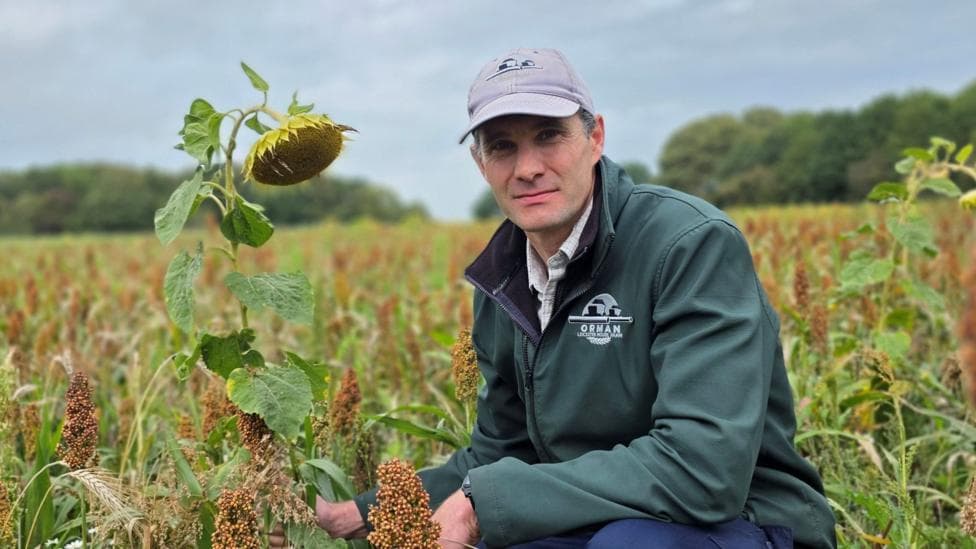
A Norfolk farmer has expressed deep concern after missing out on £100,000 in environmental payments when a government green-farming scheme exhausted its annual budget in less than six hours on a single day in September.
Lex Brun, who operates a mixed arable farm near Great Massingham, completed his online application to the Sustainable Farming Initiative (SFI) at 16:00 on Tuesday 22 September, only to discover the funding window had already shut at 15:48—just five hours and 48 minutes after applications opened at 10:00 that morning. The rapid depletion of the £253 million annual fund has intensified concerns among farming representatives about the viability of environmental commitments on struggling agricultural businesses.
The SFI replaced European Union subsidies following Brexit, offering payments to landowners who adopt environmentally-friendly management practices. Participating farmers receive support for activities including hedge planting, creating wildflower margins, and soil protection measures. Brun had allocated portions of his land to wildflower schemes designed to support birds and insects, investments he now fears may become unsustainable.
Why did the funding close so quickly?
The unprecedented speed of the scheme's closure has prompted widespread frustration across the farming sector. According to reports on the application process, the Department for Environment, Food and Rural Affairs (Defra) had added £20 million to the second-window budget in response to anticipated demand, supplementing £50 million announced by the prime minister in August. Despite these additions, demand substantially exceeded available resources.
Brun described the experience as unprecedented in its intensity.
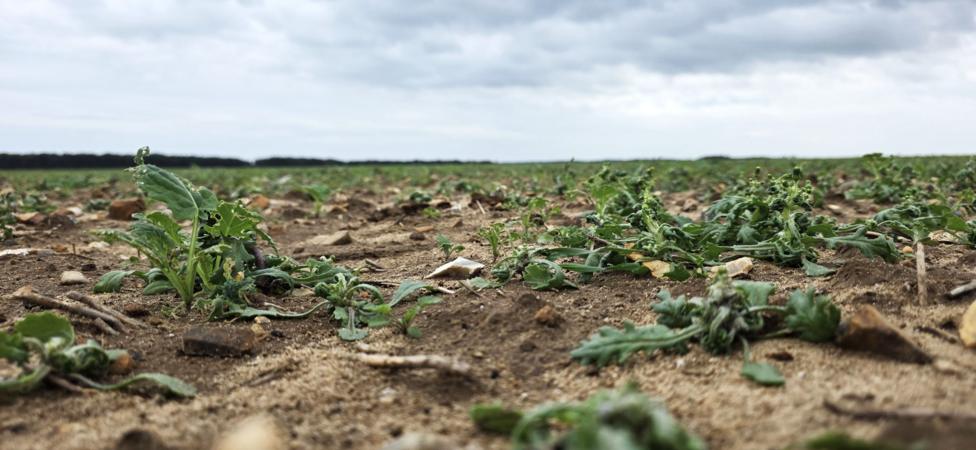
It was unprecedented for it to be such a scramble, it's been likened to getting tickets for an Oasis concert,he said. His crops include wheat, barley and oilseed rape, with the latter having suffered damage from beetles during the growing season—a setback that compounded his financial pressures heading into the application period.
How will this affect farmers' environmental commitments?
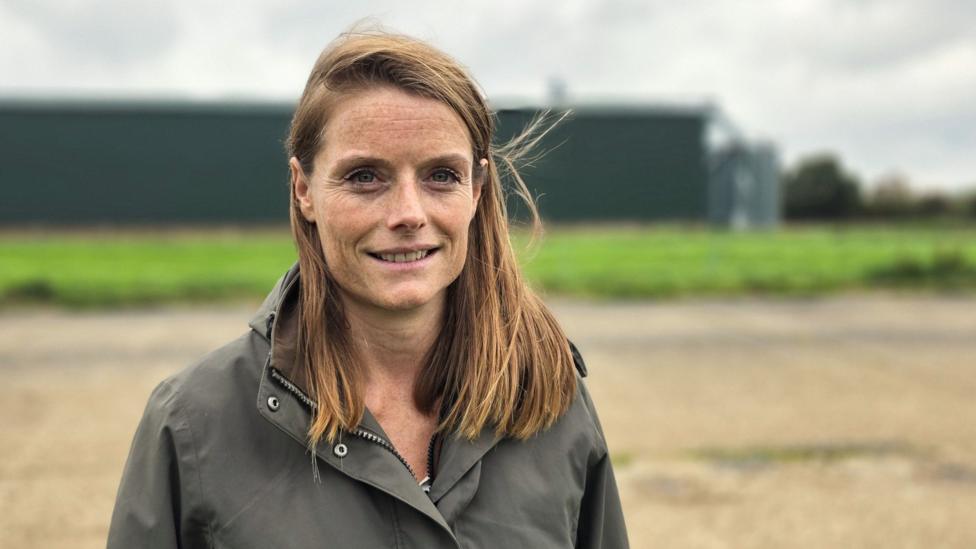
Many farmers now face difficult decisions about scaling back environmental projects due to the funding shortfall. Cath Crowther, regional director for the Country Land and Business Association (CLA), warned that unsuccessful applicants may be forced to abandon or reduce conservation schemes they had planned to implement.
Brun articulated the broader challenge facing his business. Confronted with
massive increases in costs for fuel and fertiliser and very mediocre returns on his harvests,he is now considering converting more of his land to commercial crop production rather than environmental stewardship.
It's a very, very worrying position,he explained, adding that the experience had undermined his confidence in government intentions.
It destroyed confidence in the government and what they said they were trying to achieve.
Crowther called for additional government funding to be announced in October's budget, acknowledging competing fiscal priorities while emphasizing the importance of agricultural support.
We know that there's not much money out there, that health, defence, etc are all so important, but [so is] food production.
What are politicians saying about the scheme's failure?
Adrian Ramsay, the Green MP for Waveney Valley, reported that
a lot of farmershad expressed frustration with the application process, noting that
there just isn't the confidence the funding is going to be there in the years to come.
Farming Minister Stephen Morgan acknowledged the situation, stating he had
heard the concernsof farmers who are
deeply disappointed.He committed to working with the farming sector to address the problems, pledging he was
determined to work closely with farmers as we learn lessons from this yearincluding
exploring alternatives to a first-come, first-served application process.
According to recent reporting on scheme reforms, Defra is actively examining modifications to the application methodology for 2027 in direct response to the criticism surrounding the rapid closure.
What happened in earlier SFI application windows?
The September window was not the first to face pressure. The initial SFI26 application window, which was reserved for small farms and operations without existing environmental land-management revenue agreements, closed on 28 August 2026. According to figures cited by farming analysts, up to 10,000 farmers with agreements scheduled to expire in March 2027 either did not apply or were unable to apply during the available windows, leaving them without continuity of support.
Farmers who encountered technical difficulties or required assisted-digital help were permitted to continue their applications if they had contacted the Rural Payments Agency before the window officially closed, providing a limited exception to the rigid deadline.
What happens next for the scheme?
The government has committed to providing further details about 2027 funding opportunities in the coming weeks. Defra has indicated it will aim to open the 2027 application window as early as possible in the year, with the next opportunity to apply expected to arrive in 2027. The department's willingness to explore alternatives to the first-come, first-served model suggests that future application windows may operate under different rules designed to prevent the rapid exhaustion of funds that characterized the September 2026 round.
For farmers like Brun, the outcome of these reforms will determine whether environmental stewardship remains economically viable on their holdings or whether commercial production becomes the only sustainable path forward.