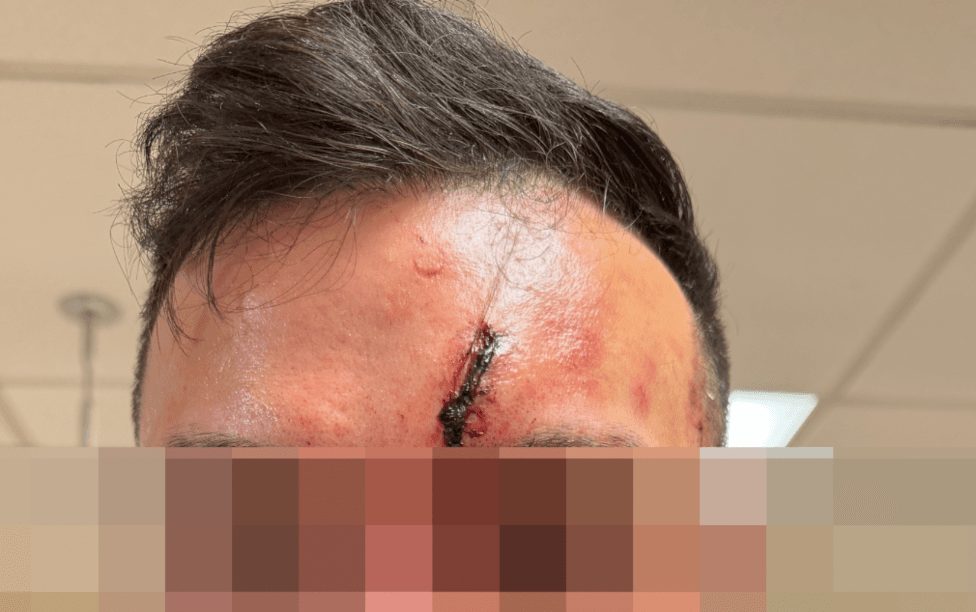
A businessman and his heavily pregnant wife were subjected to a brutal home invasion in which masked attackers beat him with hammers and threatened to kill their unborn child unless he surrendered hundreds of thousands of pounds in cryptocurrency. The couple, who wish to remain anonymous, described the assault as "horrific" and said they feared for their baby's safety during the ordeal.
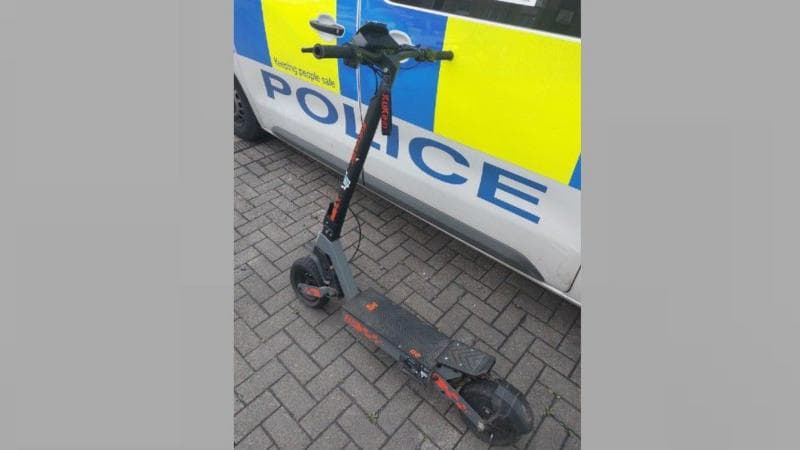
According to West Midlands Police, the attack took place on 13 December 2025 in Smith's Wood, Solihull. Detectives believe the invasion was carefully planned and specifically targeted at this household. After the man transferred his cryptocurrency holdings to the attackers' digital wallet, the intruders fled in a vehicle believed to be a black BMW X3, also taking several high-value watches. Crimestoppers is offering a £10,000 reward for information leading to an arrest and conviction.
The incident represents a stark example of what security experts term a "wrench attack"—a violent robbery targeting cryptocurrency investors who hold digital assets in personal wallets rather than institutional accounts.
How the attack unfolded
The man, referred to as James by the broadcaster, recounted how three intruders forced their way into his Solihull home and launched a sustained assault lasting 45 minutes.
"The door gets pushed open, I can see gloves coming in, balaclavas,"he said. When James attempted to resist, the attackers struck him repeatedly in the face, head and ribs with hammers, inflicting multiple major injuries.
His wife, who was seven months pregnant at the time, was pinned to the sofa by one of the criminals.
"He's got a pillow over her face,"James recalled.
"He's literally suffocating her on the sofa. I can hear her screaming, 'I can't breathe'."According to police records, the wife was also threatened with a knife during the invasion.
The intruders initially gave no indication of their purpose. Only when one demanded that James unlock his phone did the couple understand they were being targeted for their digital assets. The attackers appeared to possess knowledge that James held cryptocurrency, yet lacked the technical expertise to access it themselves. Instead, they were receiving instructions from someone connected via a live video call.
"I can hear the guy on FaceTime saying: 'Show me everything on his phone. Show me what apps he's got',"James said. When the remote caller identified a crypto wallet containing substantial funds, the threats escalated sharply.
"He was basically saying: 'Look, if you don't send us this money now, we're going to stab your wife in the stomach and kill your baby. We're going to kill your wife',"James recounted.
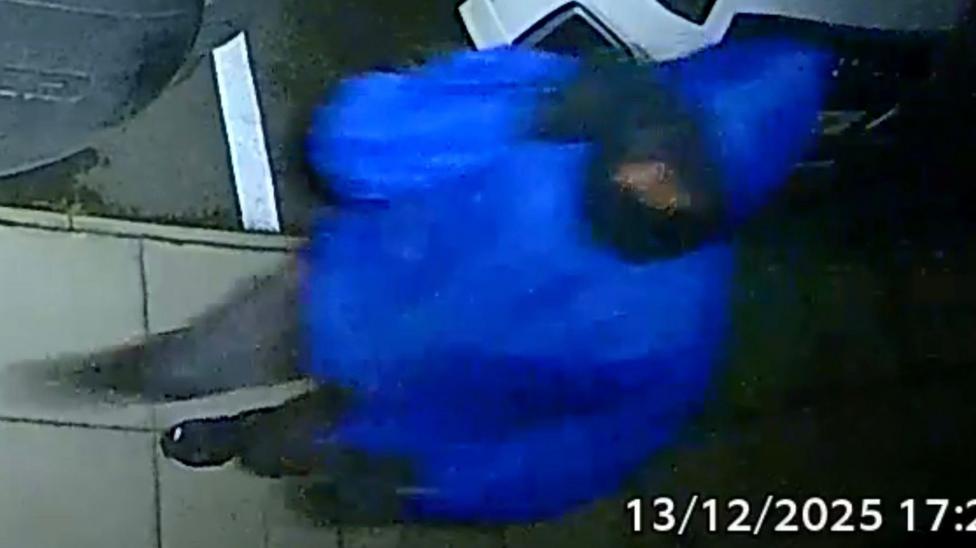
Faced with threats against his wife and unborn child, James transferred his cryptocurrency savings—hundreds of thousands of pounds—to the digital wallet provided by the man on the video call. Before departing, James heard the remote coordinator tell his accomplices:
"You can have 10 grand each but I am taking the rest."
The impact on the family
James's wife, in her early thirties, described the experience as deeply traumatic. She feared that James had been killed when he lay unresponsive on the floor following the beating. Expecting her third child at the time, she was terrified that the extreme stress of the attack might cause her to lose the pregnancy. The baby survived and was born at full term, but the psychological toll on both parents has been severe.
James had become an amateur cryptocurrency investor in 2020 and accumulated sufficient wealth to leave his job in 2023 to trade full-time. The theft has devastated his financial position, and he is now attempting to return to conventional employment. He holds little hope of recovering the stolen funds, but is determined to see those responsible prosecuted.
"They threatened my wife and my baby,"he said.
"People need to understand these risks are real."
The broader 'wrench attack' phenomenon
Unlike conventional bank accounts protected by institutional safeguards, cryptocurrency is often controlled directly by individual owners through digital wallets or physical storage devices. For criminals, this arrangement presents an attractive target because transactions are rapid, can offer anonymity, and are typically irreversible once completed.
Whilst the majority of cryptocurrency theft occurs online through hacking and fraud, researchers at Chainalysis have documented a sharp rise in violent physical robberies. According to their analysis, $30 million (£22.6 million) was stolen in violent crypto attacks between January and June 2026 alone, suggesting that 2026 is on track to become the worst year on record for such crimes. Home invasions targeting crypto holders have also increased significantly this year.
The geographic distribution of these attacks reveals concerning patterns. The United States, Brazil, and Thailand have emerged as hotspots, but France has experienced the largest number of incidents by a substantial margin. This concentration has been linked to a data breach at a French tax office that apparently exposed the identities and locations of wealthy cryptocurrency holders.
A database maintained by Bitcoin security researcher Jameson Lopp documents 24 publicly known physical attacks involving crypto holders in the UK, compared with 68 in France and 59 in the United States, placing Britain third globally in the frequency of such incidents.
Chainalysis researchers have highlighted a critical vulnerability in the cryptocurrency ecosystem:
"The physical security assumptions that protect traditional wealth, such as bank vaults and armored cars, do not automatically apply in crypto. Often, holders keep their assets in comparatively low security setups, like self-custody wallets, that can be compromised without any institutional gatekeeper standing in the way."
The investigation and reward
West Midlands Police have not yet identified the attackers. All three intruders are believed to be in their twenties. One was described as a Black man with a small diagonal scar beneath his left eyebrow. Police are also seeking to identify the getaway driver, who was observed in the vehicle without a face covering, and the man who coordinated the attack via video call.
Crimestoppers is offering a £10,000 reward for exclusive information leading to an arrest and conviction. Tips can be provided anonymously without requiring the informant to provide a name or make a statement in court. Alan Edwards from Crimestoppers said:
"These criminals are obviously serious and part of some kind of organised crime gang. People might be scared to give us information but we are independent of the police and keep people completely anonymous."
The reward is scheduled to expire on Christmas Eve 2026.

Key facts
- The attack occurred on 13 December 2025 in Solihull and is believed to have been a planned, targeted operation
- Chainalysis data shows $30 million was stolen in violent crypto robberies in the first half of 2026, making it the worst year on record for such attacks
- France has experienced 68 documented physical attacks on crypto holders, more than any other country, linked to a tax office data breach
- The £10,000 Crimestoppers reward is available for information leading to arrest and conviction, with anonymity guaranteed
- Cryptocurrency held in personal wallets lacks the institutional security protections that safeguard traditional financial assets