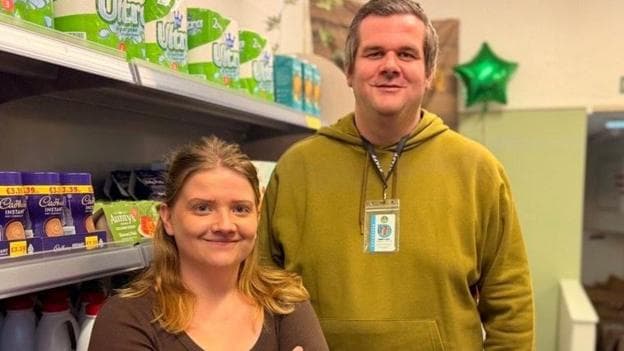
Thomas Cliffe and Laura Steele opened the doors of Community Cupboard to its first customers on Monday, launching what they describe as Newcastle-under-Lyme's first social supermarket—a venture born from personal financial hardship and designed to restore dignity to people struggling with the rising cost of living.
The store operates on a membership model costing £1 annually. Members then purchase tokens to spend on groceries priced at cost or below, giving shoppers genuine choice rather than the fixed parcels offered by traditional food banks.
Instead of going to a food bank, being handed a bag and getting back home then finding out that they won't use all those items, at least here they can buy the tokens and shop around for the items they would choose to buy.Cliffe explained the philosophy behind the approach.
The concept emerged from Cliffe's own experience. After leaving employment due to anxiety, he and his wife—despite her continued work—found themselves unable to access certain forms of financial support.
It was horrible because you start to panic and think: 'What am I supposed to do? Where am I going to get the next food from?'he recalled.
We either had to choose a meal or choose the bills.
Cliffe's vision centres on what he calls
freedom to shop with dignity—a principle that distinguishes the social supermarket from conventional welfare provision.
It was exciting to have everyone come through the doors for the first time and give them that freedom to shop with dignity,he said after the opening.
What stock will be available?
The store's inventory will include bread, freezer products, household cleaning supplies and items for children, though availability depends on donations and supply from partner retailers. According to local reporting, the supermarket was scheduled to open at 21 Andrew Place on Friday, 9 October 2026, from 4pm to 8pm. The model relies on surplus goods from mainstream retailers, sold at reduced prices to address both food insecurity and food waste simultaneously.
How did Community Cupboard start?
The initiative has deeper roots than its recent opening suggests. According to the organisation's own account, Community Cupboard began in May 2025, initially storing donations in an unused back room offered by Simply Local manager Uday. The project later secured a National Lottery Community Fund grant, enabling the transition to a dedicated retail space.
Why is there such need in the area?
Voluntary co-director Laura Steele pointed to stark local poverty statistics.
One in four children experience poverty from what we have found, and the average income is £29,000.She emphasised that existing provision fell short of demand.
There was nothing really for the people of Newcastle and it was crying out for it really,she said.
What do early customers say?
Cheryl Pepper, a carer who visited after finishing a night shift, described the supermarket as
absolutely brilliant.She highlighted the financial difference the model makes.
The food's cheap. If you go to Tesco you spend £100, but you come in here, I've put £20 on and I still have some tokens left,she said. Another customer, Cheryl Peeper, found that the store helped her manage expenses between larger shopping trips without overspending.
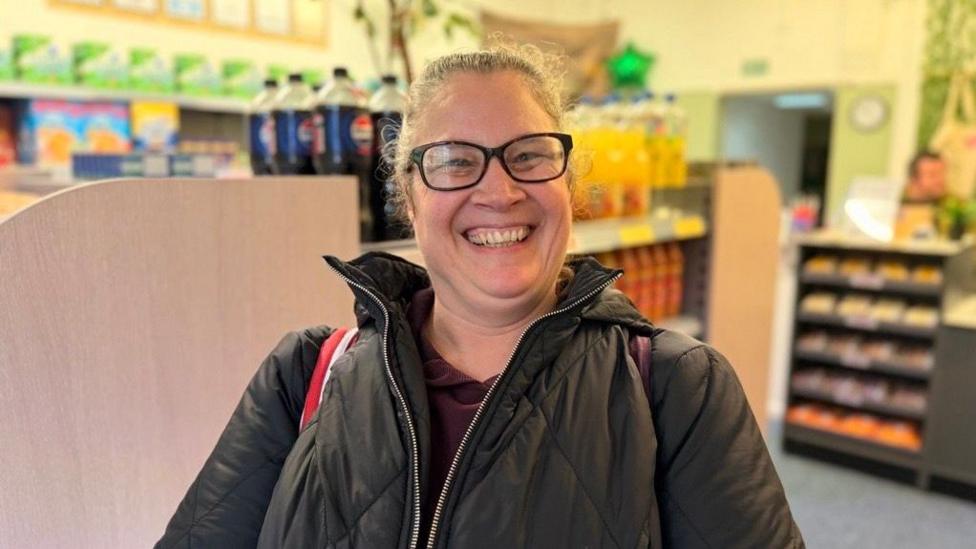
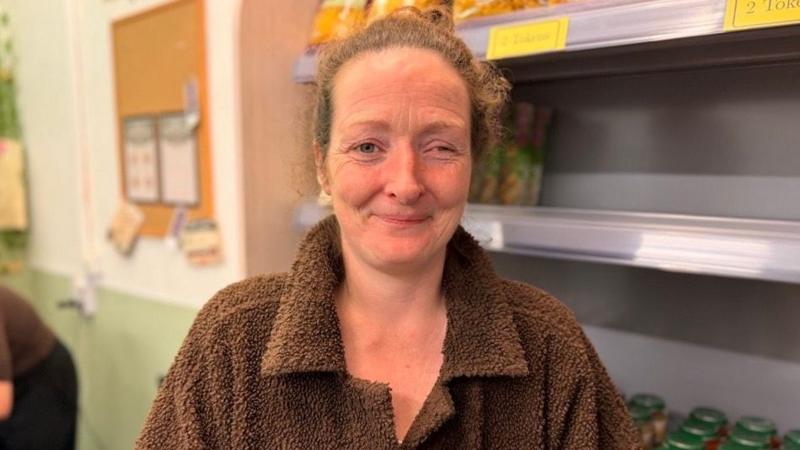
Fiona Morris, who has ADHD, was among the first to purchase items. She had previously found large supermarkets overwhelming but felt immediately understood by staff at Community Cupboard.
It feels like Supermarket Sweep - I feel like I'm robbing the place,she said, expressing her delight at the accessible shopping environment.
What does research say about social supermarkets?
Recent academic work supports the model's potential. A 2026 scoping review synthesised 14 studies and found that social supermarkets were generally viewed positively compared with food banks, partly because they offer choice and avoid the stigma associated with traditional welfare provision. However, the research also identified significant limitations. Lead researcher Dr Claire O'Malley from Teesside University cautioned that
while social supermarkets can improve access to affordable food and reduce waste in the short term, they should not be viewed as a complete solution to food insecurity.
The review noted that social supermarkets address symptoms rather than root causes. The research found they do not resolve underlying structural issues such as income inequality and surplus food production in the wider economy. Consequently, the report called for them to supplement, rather than replace, government support for those struggling to afford nutritious food.
Key Facts
- Community Cupboard charges £1 for annual membership, then allows customers to purchase tokens for groceries at cost price or below
- The initiative began in May 2025 with donations stored in a back room before securing National Lottery Community Fund support
- One in four children in the Newcastle-under-Lyme area experience poverty, with average household income at £29,000
- Research shows social supermarkets reduce stigma compared to food banks but cannot alone solve food insecurity without broader policy changes