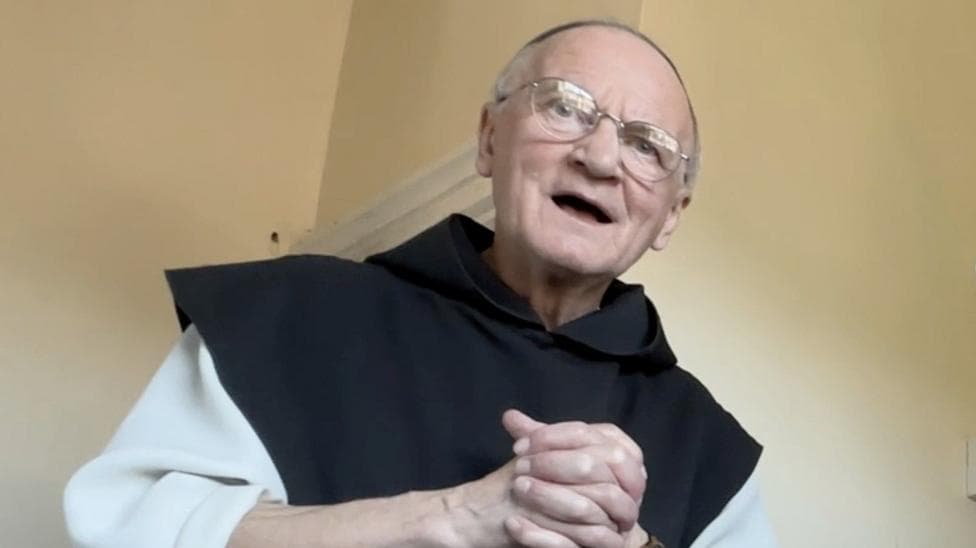
A woman has publicly disclosed allegations of sexual assault by a monk who resided on a private island off the Welsh coast, in a case that has now been examined in a new investigative podcast. According to BBC News, Brother Titus Keet, 78, has faced accusations of sexually harassing and assaulting both a visitor and a former employee, as well as distributing naked photographs of himself to women. Keet has denied the allegations, though he acknowledged he would reflect on his behaviour.
The revelations emerged through a new BBC podcast titled Dark Island, which was released with all eight episodes on on 22 October 2026. The investigation by journalist India Pollock examined the disturbing history beneath Caldey Island's tranquil exterior. Dyfed-Powys Police investigated the claims but took no further action.
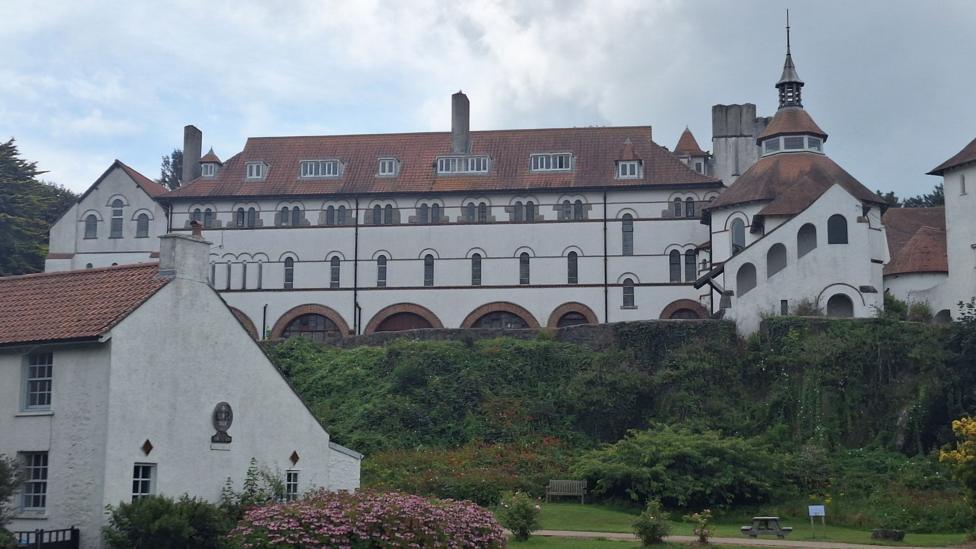
Caldey Island sits off the coast of Tenby, Pembrokeshire, and is owned by a community of Cistercian monks. The island attracts approximately 50,000 day visitors annually from the seaside town, though it measures only 1.5 miles long and a mile wide. Visitors can stay overnight in accommodation operated by the monks, and around 30 lay residents also live there.
What happened on the island?
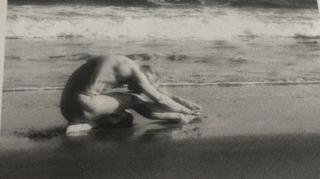
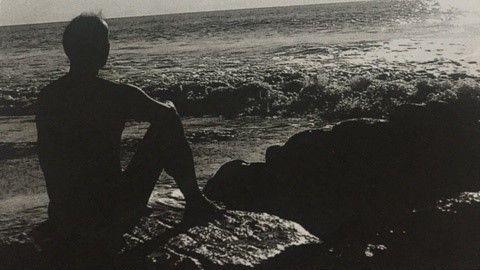
Natalie Roberts, a single mother, was a regular visitor from the early 2000s onwards, frequently holidaying on Caldey with her two sons. She described how Keet would give her photographs of himself posing naked on beaches across the island, often accompanied by poems or letters.
In 2016, Natalie embarked on a walk from Caldey to nearby St Margaret's Island with her sons and a friend. The journey requires scrambling across slippery rocks between the two islands and carries significant danger. She did not anticipate Keet would be present. According to her account, as Keet walked behind her, he repeatedly touched her over her clothes in a manner she characterised as sexual assault.
Natalie recounted her reaction:
I was so angry because I knew this was an absolute violation. You know, this wasn't spiritual. This was his opportunity just to do that.She remained silent at the time, fearing Keet would deny the incident and she might be expelled from the island. The experience profoundly affected her faith:
I think the worst thing it did, if I'm completely honest, it took away my whole spiritual belief in Catholicism.
Keet presented a contrasting account, claiming Natalie had turned
wickedly against himafter he rejected her attempts to seduce him. He characterised her allegations as typical behaviour from
a woman who felt frustrated in her advances, disappointed in her expectations, feeling rejected and then turns against the other in a very vicious way.
Natalie rejected this characterisation, emphasising that Keet occupied a position of significant power while she remained vulnerable. She accused him of employing victim-blaming language and attempting to discredit her account.
What allegations involved the abbey employee?
An employee of the abbey also made serious allegations against Keet. She claimed he made unwelcome sexual advances, including touching her breasts and bottom, making comments about her body, and referring to her genitals despite being asked to stop. She further alleged he made sexualised remarks while displaying nude photographs of himself and images of naked women.
When confronted about his behaviour, Keet allegedly claimed that UK law did not apply to him as a Dutch citizen, that he could act as he wished on a private island, and dismissed the employee as
too sensitive. He is also accused of telling her she would be fortunate to receive sexual attention from him, that women welcomed male attention, and that she would lose her job if she complained.
Keet denied these allegations, asserting they were fabricated in hopes the monastery would provide financial compensation. He suggested the employee had been paid to
keep quietand stated:
If it was not so sad, it would be laughable, how she could make up so many allegations spread out over three years, in which we had co-operated so pleasantly together. Very sad.He supported his denial by quoting scripture:
To all who are pure themselves, everything is pure; but to those who have been corrupted and lack faith, nothing can be pure [Letter to Titus 1,15].
What is the history of abuse on Caldey Island?
Caldey Island's troubled past extends well beyond Keet's alleged conduct. The island, which had once been regarded as
crime free, became the site of systematic child sexual abuse. In 2017, six women reached a civil settlement with the abbey after being sexually abused as children by monk Thaddeus Kotik. The former abbot, Robert O'Brien, was aware of the abuse but failed to report it to authorities.
An independent review released in 2024 found that victims experienced treatment that was
heartless, hostile and cruel. The investigation revealed that frequent allegations of abuse were made but not pursued or reported to police, enabling Kotik to abuse children over four decades
in plain sight. Kotik died in 1992, and although police investigated in 2014 and 2017, officers concluded little could be done given his death.
However, Steve Wilkins, a former head of crime for Dyfed-Powys Police who led the operation resulting in serial killer John Cooper's conviction, has called for a renewed investigation. He questioned whether the island functioned as a refuge where offenders could
go and hide in plain sightand
continue their offending with little chance of it being reported to the authorities.
The island has harboured other offenders beyond Kotik. According to the Western Telegraph, the podcast investigates how Paul Ashton, listed among Crimestoppers' Most Wanted, lived on the island for several years while evading capture. A man wanted by police also lived under an assumed identity for seven years before being imprisoned for 30 months for possessing child abuse images.
How has the abbey responded?
The abbot of Caldey Abbey, Father Jan Rossey, has issued an apology and acknowledged that child abuse was previously disregarded. He recognised that
it was deeply concerning people felt unable to speak up or feared exclusion if they raised concerns. He stated that the island has undergone significant changes, with new safeguarding procedures implemented, including a committee comprising police, council staff, and a survivor of abuse.
All individuals living and working on the island must now undergo criminal record checks, provide original identification, and participate in interviews with the abbot and island manager. Rossey affirmed the abbey's commitment to
openness, listening to those harmed and learning from past failuresand confirmed that all recommendations from the independent review have been implemented.
Regarding Keet specifically, the abbot stated that in 2024, Keet was
required to leaveCaldey Island and will not be permitted to return. This action occurred years after the employee lodged her complaint of sexual assault. Keet has since relocated to another monastery.
What does the podcast reveal?
The BBC podcast includes new allegations and exclusive interviews, providing comprehensive examination of the island's troubled history. The series explores how the island became a location where multiple offenders operated with limited accountability. The podcast's concluding episodes examine responsibility for Caldey Island's past and whether the institution can move beyond its legacy of abuse and misconduct.
What happens next?
Dyfed-Powys Police stated it had pursued all appropriate lines of enquiry and confirmed there are no ongoing investigations related to these matters. The abbey continues to implement safeguarding reforms and has committed to maintaining transparency and accountability going forward.