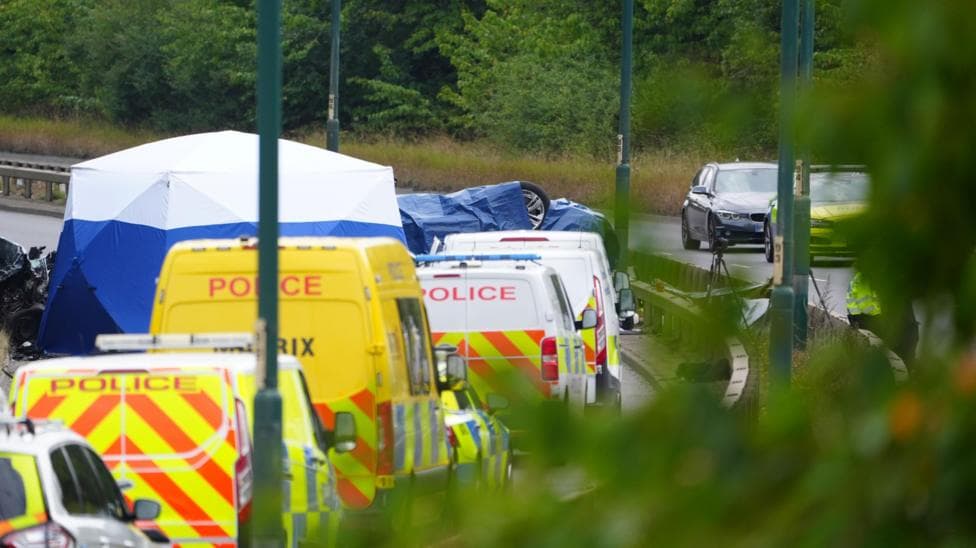
Seven people, including two police officers, died in a collision on the A66 near Middlesbrough in the early hours of 22 August. According to BBC News, Cleveland Police has still not received the £2m in government funding pledged by Home Secretary Shabana Mahmood in the aftermath of the crash.
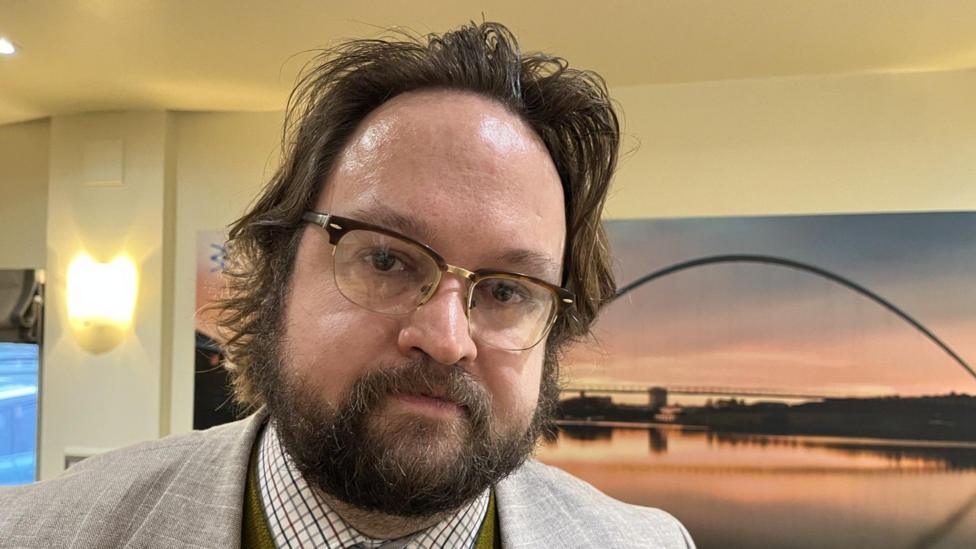
Cleveland Police and Crime Commissioner Matt Storey said the force remained without the promised cash almost two months after the incident. Mahmood announced the funding in response to the challenges facing the force following the deaths on the A66 at South Bank, near Middlesbrough, which occurred after a police pursuit.
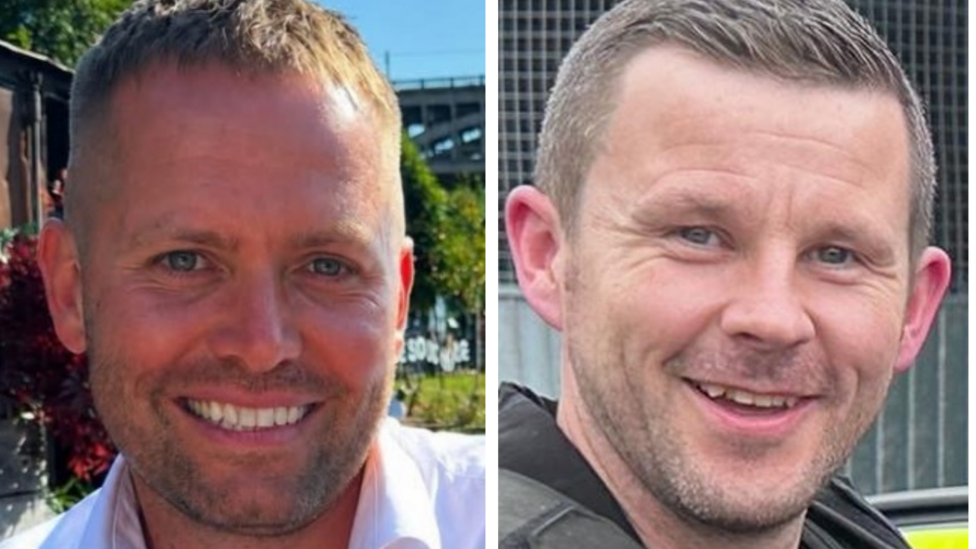
The collision involved a Volkswagen Passat travelling the wrong way down the dual carriageway, which struck an oncoming marked Cleveland Police vehicle at approximately 03:39 BST. Two officers, PC Matthew Blades, 37, and PC Tom Clough, 38, were killed at the scene. The five occupants of the Passat—Michael Robert Cahill, 23, Jakub Matusiak, 23, Makai Saddington, 18, and 17-year-olds Theo Rae and Cole Robert Worthy—also died in the crash.
On the morning of the collision, Cleveland Police received multiple reports of two vehicles being driven recklessly around the town, with a Volvo XC60 observed ramming properties. The incident triggered a wider police operation against organised crime, resulting in 50 arrests to date. Fifteen people have been charged, comprising 13 men and two women aged between 19 and 45.
Why is the funding delay significant?
Storey demanded immediate release of the £2m but highlighted that policing costs connected to the crash had now been projected to exceed £5m. He described these as
exceptional and unavoidable costs arising from utterly tragic and devastating circumstancesthat should not be absorbed by local budgets or existing police resources.
However, ITV News reported that the Home Office stated the £2m was targeted funding for serious crime that Cleveland Police had already received, though the PCC indicated it was spent within a week. The force continues to seek longer-term funding support to address ongoing pressures.
What is the broader funding context?
Storey also criticised the absence of substantive government communication regarding Cleveland Police's long-term funding prospects. He argued that the current police funding model, which Mahmood had previously committed to reviewing, disadvantaged the Teesside force. According to BBC News, Cleveland Police is set to receive up to £197.8m in 2026–27, representing a 3.7% cash increase, in addition to the targeted £2m.
The PCC identified the upcoming Budget as an opportunity to
align resources more fairly with demandand
place Cleveland on a sustainable footing. Cleveland Police's chief constable and PCC have jointly requested an additional £20m annually from the Home Secretary, arguing that The Northern Echo reported such funding could support recruitment of approximately 200 additional officers.
What is the scale of Cleveland Police's staffing challenge?
The force has faced significant personnel losses in recent years. Between 2010 and 2026, Cleveland Police officer numbers declined by 221, representing a 12.8% decrease according to figures cited in parliamentary debate records. Following the A66 crash, approximately 200 officers from other forces were drafted in to assist with serious incident response across the area.
What happens next?
The Home Secretary is expected to announce next steps for the police funding-formula review once the Independent Review of Structures reports its findings. The Home Office is also developing a Financial Resilience Framework ahead of the 2027–28 police settlement, according to ITV News.