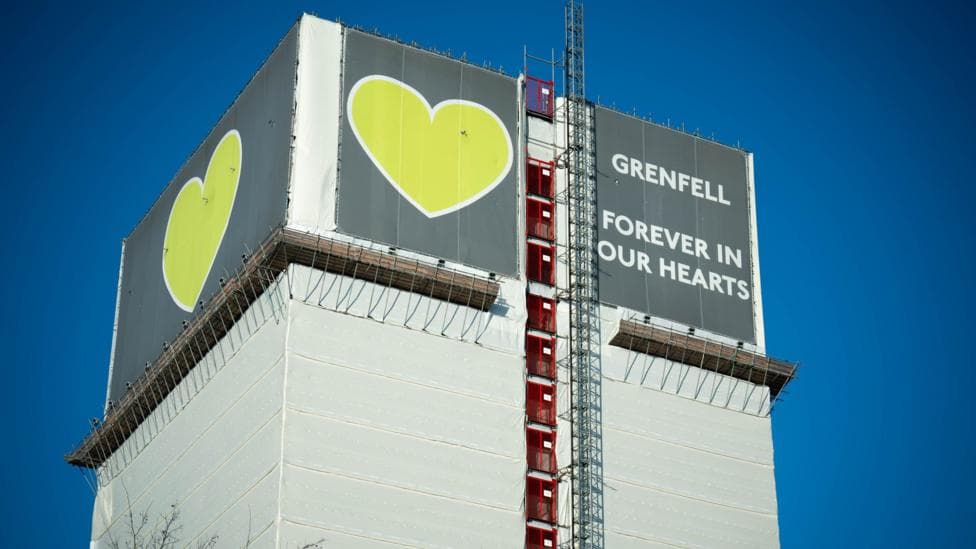
The Metropolitan Police has submitted evidence files to the Crown Prosecution Service concerning 20 organisations and 54 individuals in connection with the 2017 Grenfell Tower fire, marking a significant milestone in the nine-year investigation into the disaster that killed 72 people.
Among those facing potential prosecution is Kensington and Chelsea Tenant Management Organisation (KCTMO), the body responsible for managing the local council's social housing stock. The organisation could face charges including corporate manslaughter, health and safety offences and regulatory breaches. Evidence files have also been submitted regarding the London Fire Brigade (LFB), the Ministry of Housing and the Royal Borough of Kensington and Chelsea (RBKC).
According to the Metropolitan Police, the submission includes 14 overarching evidence files alongside the 20 case files. The investigation, codenamed Operation Northleigh, began shortly after the fire in June 2017 and has examined the roles of more than 15,000 people and 700 organisations, with investigators searching 165 million electronic files and taking 14,700 statements.
The scope of the inquiry is reflected in the scale of documentation compiled. The Met's summary reports exceed 12,600 pages and reference more than 45,000 documents, images and exhibits.
What charges are being considered?
The CPS will assess whether to bring charges including corporate manslaughter, gross negligence manslaughter, health and safety offences and fraud offences. The Ministry of Housing, Communities and Local Government has been referred for a potential breach of the Health and Safety at Work Act 1974, while the council faces possible corporate manslaughter, a section 3 Health and Safety at Work Act offence, and an offence under the Regulatory Reform (Fire Safety) Order 2005.
KCTMO, which is no longer operational, issued a statement acknowledging the impact of the fire.
We remain acutely conscious of the terrible impact of the Grenfell Tower fire on the bereaved, survivors, their relatives and the wider Grenfell community, and continue to offer our deepest condolences and sympathies to all those affected. We will continue to cooperate with the authorities as the process continues.
What is the timeline for charging decisions?
The CPS has committed to making charging decisions before the 10th anniversary of the fire on 14 June 2027. This deadline provides a framework for the prosecution service to complete its review of the evidence submitted by police.
How did the fire start and spread?
The blaze began in the kitchen of a fourth-floor flat and spread rapidly up the outside of the building via combustible cladding. A public inquiry into the disaster concluded that the fire was avoidable and resulted from a chain of failures across government and the private sector.
The first phase of the public inquiry identified serious shortcomings in the London Fire Brigade's response. Chair Sir Martin Moore-Bick concluded that fewer people would have died if the LFB had taken certain actions earlier. The brigade has since accepted the inquiry's findings and stated it has implemented all recommendations from both phases of the investigation.
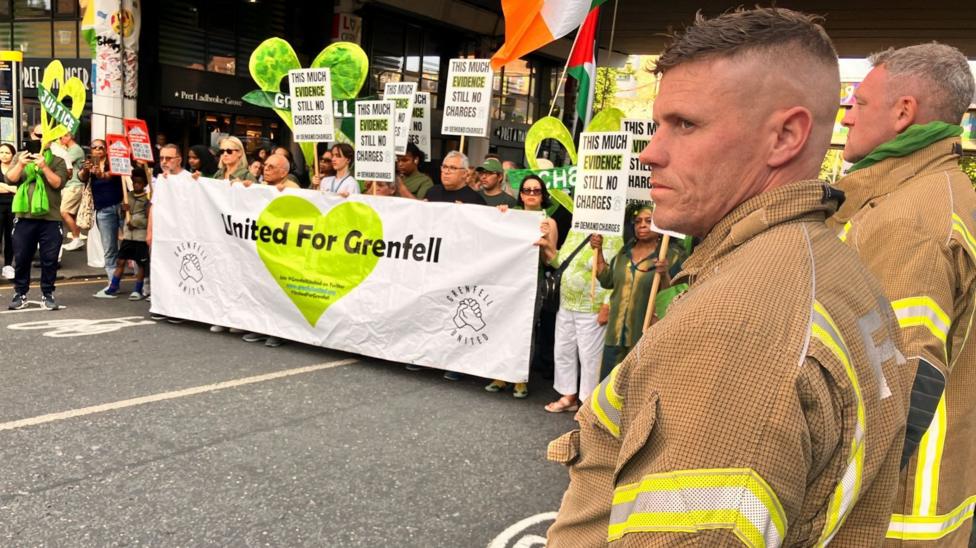
On Thursday, the London Fire Brigade confirmed that its commissioner had been notified of the submission to prosecutors.
The London fire commissioner welcomes the progress in the investigation process and reaffirms his commitment to providing the CPS with full cooperation, as LFB has sought to do throughout Operation Northleigh.
Fire Commissioner Jonathan Smith added:
We remember the 72 people who lost their lives, and our thoughts remain with the bereaved, survivors and everyone whose lives were changed forever by that night. We continue working with our partners across government and the fire and rescue sector to ensure the lessons of the Grenfell tragedy are learnt, and this continues to shape everything we do.
What do bereaved families say?
Grenfell United, a group representing bereaved families and survivors, has previously criticised the length of time taken to reach this point. The group stated:
It has taken more than nine years to get here. Nine years, and no-one has been held criminally accountable for the deaths of our 72 loved ones. We want those responsible to face justice.
What did the public inquiry reveal?
The 2024 public inquiry concluded that the disaster resulted from decades of failure by government and industry. The inquiry's chair criticised firms for systematic dishonesty about flammable cladding, establishing that multiple parties bore responsibility for the conditions that allowed the fire to spread so rapidly and fatally.
The Metropolitan Police's investigation has been conducted with unprecedented scale and complexity. Detectives waited for the public inquiry to publish its findings before completing their investigation, ensuring that the criminal inquiry could benefit from the comprehensive findings of the independent examination.
Key Facts
- The Met has submitted files on 20 organisations and 54 individuals to the CPS for charging decisions
- The nine-year investigation examined more than 15,000 people and 700 organisations, with investigators searching 165 million electronic files
- Potential charges include corporate manslaughter, gross negligence manslaughter, health and safety offences and fraud
- The CPS must make charging decisions before 14 June 2027, the 10th anniversary of the fire
- 72 people died in the fire, which started in a fourth-floor flat and spread via combustible cladding on the building's exterior