The Metropolitan Police has announced it will re-examine CCTV footage from the unsolved 1999 murder of Jill Dando, a high-profile BBC television presenter and journalist. The decision follows recent technological advances in video enhancement that have enabled investigators to take a fresh look at material originally captured near the crime scene.
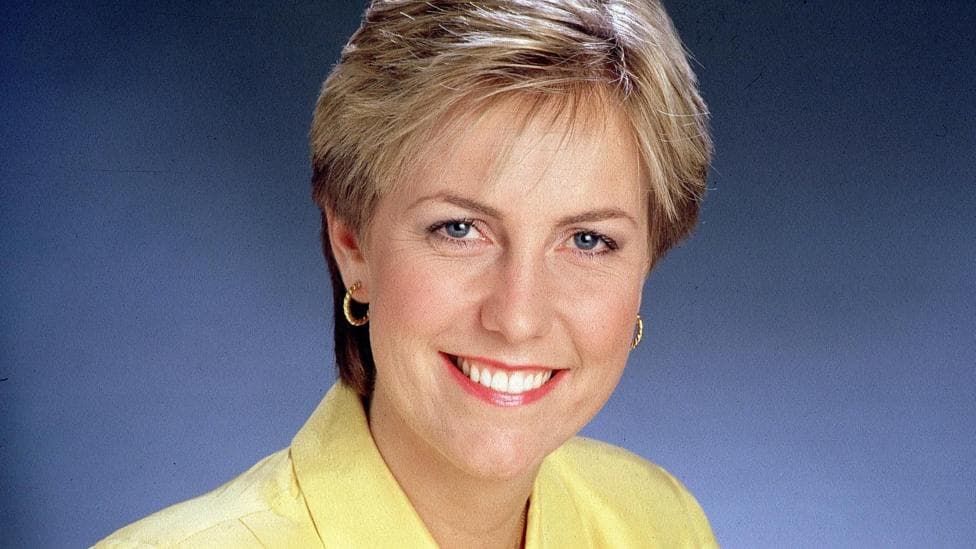
Dando, aged 37, was fatally shot with a single bullet on the doorstep of her home on Gowan Avenue in Fulham on a spring morning in April 1999. The killing shocked the nation and became one of the most extensively investigated homicides in British criminal history, yet it has remained unsolved for nearly three decades.
A Metropolitan Police spokesperson confirmed that enhanced CCTV technology had
provided investigators with the opportunity to re-examine original footage from Putney Bridge train station. The footage in question captures an unidentified man who was observed running near the murder scene approximately 20 minutes after the shooting occurred.
According to media reports, detectives are now analysing the enhanced CCTV of the man at Putney Bridge station, who has been linked in coverage to the figure known as
Man Xin the investigation. One report suggests this represents the first time in more than two decades that police have followed a new and realistic line of enquiry in the case.
The Metropolitan Police cautioned that this latest review forms part of
ongoing inquiries and should not be interpreted as a significant line of inquiry nor as a new investigation being opened on this matter. Over the 27 years since Dando's death, the investigation has undergone numerous reviews designed to establish whether technological and forensic advances could help move the case forward.
Who was Jill Dando?
Dando was born in Weston-Super-Mare, Somerset, and became one of the BBC's most recognisable faces during her 14-year career with the corporation. She was particularly well known for presenting Crimewatch, the long-running programme that appealed to the public for help solving serious crimes. Her prominence in public life made her 1999 killing one of the UK's most closely watched murder cases.

What theories have emerged about the killing?
In the immediate aftermath of Dando's death, a man claiming to be of Serbian descent telephoned the BBC and alleged that she had been executed as a revenge killing in response to the UK-backed NATO bombing of Serbia's state broadcaster in Belgrade. This theory gained traction in some quarters, and some coverage has suggested the suspect seen in the footage may resemble Serbian ex-paramilitary figure Milorad Ulemek, also known as Legija. However, this remains speculation rather than confirmed investigative direction.
Who was convicted and later acquitted?
Barry George, a local resident, was convicted of Dando's murder and served eight years in prison before being acquitted at a retrial in 2008. His original conviction was overturned after fresh evidence and legal challenges raised serious doubts about the case against him. Despite his acquittal, the identity of the actual perpetrator has never been established.
Who else was investigated?
Dando's partner at the time, Alan Farthing, was interviewed by police as part of the investigation. Her former partner Bob Wheaton, who worked as a BBC Breakfast news editor, was also questioned. Additionally, her agent Jon Roseman underwent police interviews; Roseman had authored a crime novel that contained a plot remarkably similar to the circumstances of Dando's death. All three individuals were subsequently ruled out as suspects.
How has the case remained in public consciousness?
The murder has continued to attract public interest and media attention over the decades. In 2023, a Netflix documentary titled Who Killed Jill Dando? examined the case and the various theories surrounding it, introducing the unsolved mystery to a new generation of viewers. The case has also featured in broader discussions about cold case investigations and the application of modern forensic and technological methods to historical crimes.
How does this fit into broader cold case reviews?
The decision to re-examine evidence in the Dando case reflects a wider trend of police forces revisiting long-unsolved murders with the aid of modern technology. Similar reviews have been undertaken in other high-profile cases. For instance, police reopened the cold case murder of Melanie Hall after 30 years, applying new technology and offering a £20,000 reward to generate fresh leads. These initiatives demonstrate how advances in forensic science, digital enhancement, and investigative techniques continue to offer opportunities to revisit cases that have long resisted solution.
What happens next?
The Metropolitan Police have indicated that the review remains ongoing, with no publicly announced deadline or scheduled date for a further update. Investigators will continue to analyse the enhanced CCTV material and pursue any lines of inquiry that emerge from this work. Members of the public with information about the case are encouraged to contact the police.
Key Facts:
- Jill Dando was shot dead on her doorstep in Fulham on 24 April 1999, aged 37
- Despite one of Britain's largest murder investigations, the case has remained unsolved for 27 years
- Barry George was convicted and later acquitted at retrial in 2008; the real perpetrator has never been identified
- Enhanced CCTV technology has enabled police to re-examine footage from Putney Bridge train station showing an unidentified man seen running near the scene 20 minutes after the shooting
- The review is part of ongoing inquiries and does not represent a new investigation or confirmed significant line of inquiry