

A leaked internal review of the Ministry of Defence's Defence Serious Crime Command (DSCC) has found that the unit set up to investigate rape, sexual assault and other serious offences within the armed forces continues to carry significant risks of failing the people it is meant to protect. The document, obtained by a national broadcaster, was compiled between 21 August 2025 and 12 November 2025 under the oversight of a former senior civilian police officer. The Ministry of Defence says it has accepted the review's conclusions and has already begun implementing changes.
The DSCC was established in 2022 to handle the most serious criminal allegations independently of the military chain of command. Its creation followed the death of 19-year-old Gunner Jaysley Beck, whose inquest found that the Army's mishandling of her complaints about sexual assault and harassment contributed to her taking her own life and revealed what the coroner described as "systemic failings."
What did the leaked review actually find?
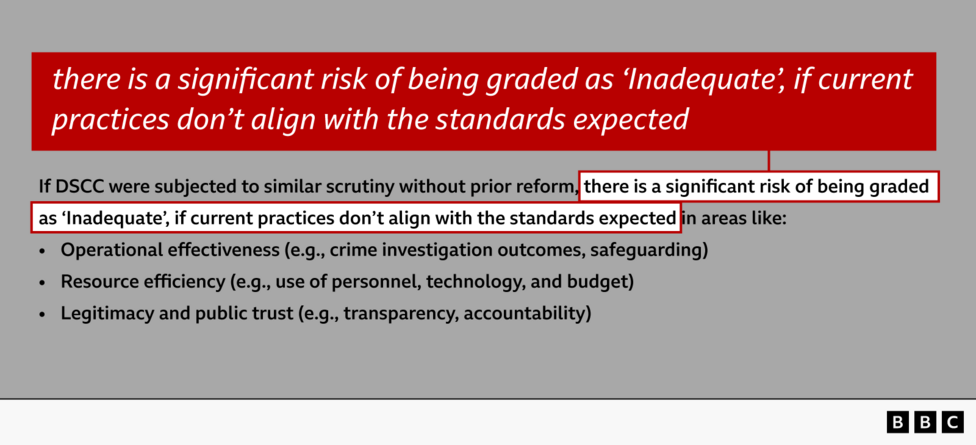
The review concluded that if the DSCC were assessed against the same standards applied to civilian police forces, it would face "a significant risk of being graded as inadequate." It pointed to a range of problems, including investigations that were slow, inconsistent and hampered by delays, gaps in support for victims, and a workforce stretched thin by insufficient staffing.
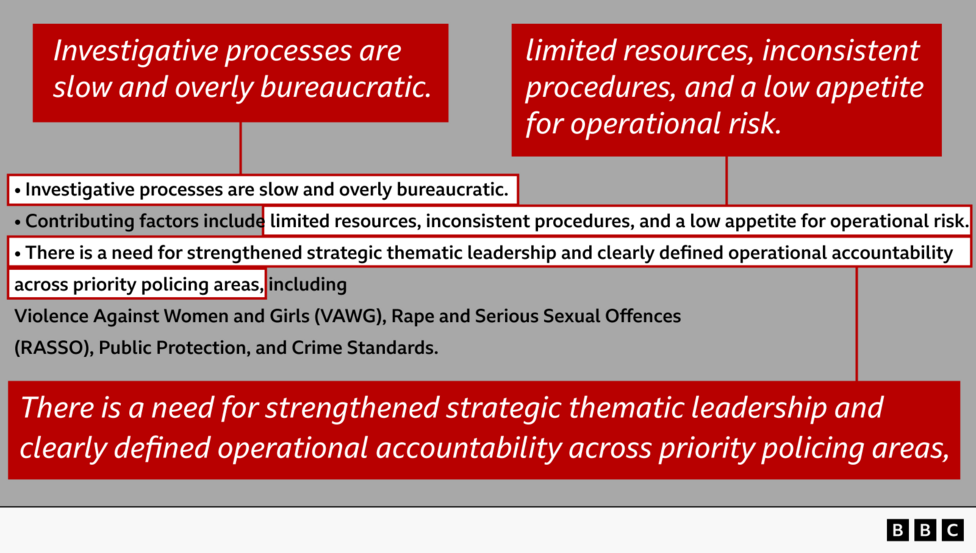
According to the review, current investigative procedures are burdened by excessive reporting demands, ambiguous guidance and inconsistent application across cases. It cautioned that without meaningful reform, confidence in the military justice system would continue to deteriorate, warning explicitly of an "erosion of trust" if changes were not made.
How has the Ministry of Defence responded?
In a statement, the Ministry of Defence said the review was commissioned specifically "to provide honest challenge, identify areas of improvement and to help ensure the highest standards for victims and witnesses." It said the DSCC has since taken concrete steps, including additional investment in victim and witness support, tighter governance and safeguarding measures, and the accreditation of investigators to nationally recognised policing standards. The department added that the DSCC remains committed to transparency, continuous improvement and delivering the support victims deserve.
What barriers are victims still facing?
The review identified persistent obstacles that discourage service personnel from coming forward, including fear of not being believed, worry about damage to their careers, unclear routes for reporting, and a lack of trust in both the chain of command and service policing more broadly, according to a report from a national broadcaster. It also said the DSCC needs to "strengthen leadership" specifically in how it handles rape and serious sexual offence cases.

What do victims and campaigners say?
Jaysley Beck's mother, Leighann McCready, said service personnel deserve far better treatment than they currently receive.
"It's extremely disappointing to hear that military policing continues to be affected by such serious challenges," she said. "Sadly Jaysley's case didn't even get sent to the police until after she died and the coroner made his critical findings. This report makes me fear for our young service women wanting to report today."
Emma Norton, founder of the Centre for Military Justice, was shown a copy of the leaked review and said its findings mirrored complaints she regularly hears from her own clients.
Despite some recent improvements, she said her organisation continues to see "serious shortcomings in the arrangements for military police complaints, poor handling of allegations of coercive control and behaviour."
She added that the review suggested there remains resistance within the system to delivering the accountability and justice victims are owed.
What do individual cases reveal about the DSCC's handling of complaints?
A woman referred to as 'Kate' has previously described her dissatisfaction with how the unit handled her rape allegation against an Army colleague, saying investigators overlooked several lines of inquiry despite physical evidence of injury supporting her account.
Another woman, given the pseudonym Rosie, said she was violently assaulted by an Army partner in September 2023, describing being dragged down stairs and pushed into the street, which left her with cuts, bruises and burns. She reported the assault to service police, who passed the case to the DSCC. The Service Prosecuting Authority determined there was a realistic prospect of securing a conviction for battery, provided charges were brought within a six-month limit — but the DSCC failed to refer the charges within that window. The unit later attributed the delay to a heavy caseload and apologised, acknowledging that "the level of service received in this incident was below the standard that would have been accepted."
The review acknowledged that the DSCC has made genuine progress in building its operational capacity, but flagged low staff morale and ongoing "workforce instability." Serious crime investigations rose by 16% between 2023 and 2024, a surge the review said has left "persistent staffing gaps... limiting the [DSCC's] ability to respond effectively."
How does this connect to wider concerns about the Army?
The leak emerges shortly after four women came forward alleging they were sexually assaulted and harassed as 17-year-old recruits at the Army Foundation College in Harrogate, North Yorkshire, within the past five years. An Army spokesperson called the allegations "extremely distressing and serious," adding that "unacceptable and criminal behaviour has absolutely no place in our Armed Forces."
Those allegations prompted Defence Secretary Wes Streeting to say he was "sickened" by the claims, and he has committed to investigating further as MPs push for a fully independent inquiry into conditions at the college, according to earlier coverage of the Harrogate allegations.
Key Facts
- The Defence Serious Crime Command was created in 2022 following the death of Gunner Jaysley Beck.
- The leaked review ran from 21 August to 12 November 2025, led by a former senior civilian police officer.
- It found the DSCC risks being graded "inadequate" if measured against civilian police standards.
- Serious crime investigations increased 16% between 2023 and 2024, straining an already understaffed unit.
- The leak follows separate allegations of sexual assault at the Army Foundation College in Harrogate.


