A woman receiving treatment for a life-threatening condition in intensive care was issued four parking tickets and contacted by a debt collection agency, despite her father paying for weekly parking permits throughout her stay.
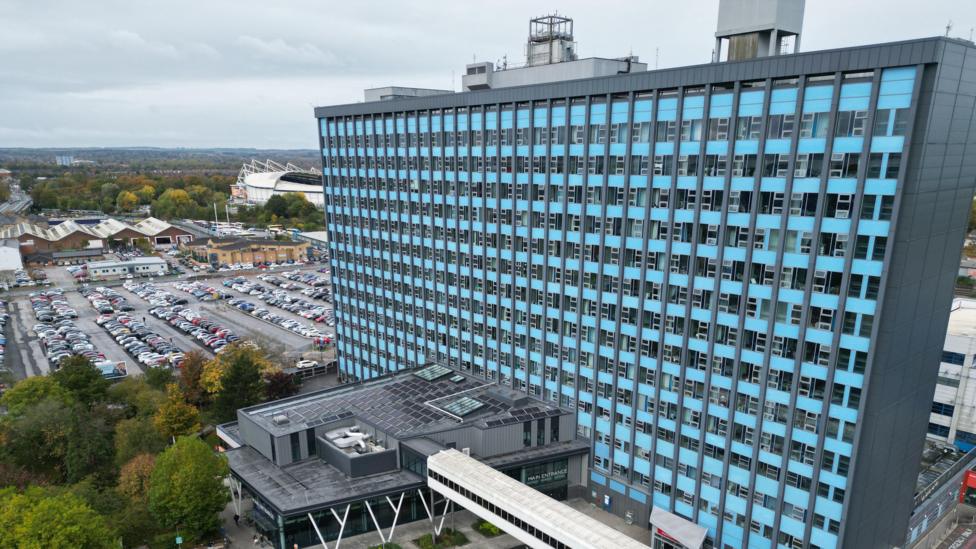
Kate Matthews, 36, has been a patient at Hull Royal Infirmary since March, where she was admitted with suspected intestinal failure. Her father, David Matthews from Elloughton, East Yorkshire, said he purchased weekly parking permits for each week of her hospitalisation, including during the period when she was in intensive care and critically unwell.
Between 28 June and 13 August, parking company APCOA issued four parking charge notices (PCNs) despite David's possession of receipts proving he had paid for valid permits on each of the dates the charges were issued. When he attempted to resolve the matter, APCOA refused to discuss the tickets with him, insisting they would only communicate with the registered vehicle owner—his seriously ill daughter.
David described the situation as "intolerable" and said he deliberately kept the tickets from Kate to avoid causing her additional stress while she fought a serious illness.
"I think when this first ticket was issued Kate was in intensive care. They [APCOA] then point blank refused to speak to us. It's just inappropriate to ask a seriously ill person to sign documents to enable you to contest a parking ticket. It is ridiculous."
Kate has Ehlers-Danlos Syndrome, a condition affecting connective tissue. According to her father, her hospitalisation has been marked by multiple severe complications, with her life at risk on several occasions.

How did the hospital and parking company respond?
Both the NHS Humber Health Partnership and APCOA subsequently apologised for the situation and cancelled all four parking charges. In a joint statement, they acknowledged the distress caused and confirmed that the standard appeals process for PCNs had not been properly followed in this case.

"The last thing we ever want to do for patients and families in this position is cause any undue stress or worry, so we apologise for any distress caused. Unfortunately, the usual process of appealing a PCN was not followed in this case. However, having looked into the circumstances of this specific case, we can confirm the parking charges have been cancelled."
David said the experience added significant strain during an already traumatic period.
"We've gone through the most difficult year of our lives - nothing to what Kate's gone through - but to have this on top is just like a straw that breaks the camel's back. I spent the other day writing a complaint to APCOA when I should have been at my daughter's bedside."
What are the current parking arrangements at Hull Royal Infirmary?
Hull Royal Infirmary's parking system has undergone significant changes in recent years. According to the hospital trust's parking information, patients attending regularly for short-term treatment can purchase weekly permits for £35 for the first seven days, then £7 per week thereafter. The trust's guidance specifies that weekly tickets must be obtained through the ward or department and then presented to the Security Office, which can be reached on 01482 675257.
For those requiring shorter stays, the current published tariff includes £3.40 for up to one hour, £5.60 for one to two hours, £6.30 for two to four hours, and £7 for a day ticket. Blue Badge holders must register their badge on the APCOA permit portal, ideally before arriving at the hospital.
Certain patient groups remain exempt from parking charges. According to reporting from August 2025, cancer patients, Blue Badge holders, parents of children staying overnight, and families of palliative-care patients do not incur parking fees. The hospital trust has also introduced automatic number plate recognition (ANPR) technology, removing the need to display physical parking tickets.
Why did parking costs increase?
Parking charges at Hull Royal Infirmary increased from 1 September following a broader rise in fees across the trust's hospitals. The trust stated that the increases were necessary to cover operational costs including maintenance, lighting, and security. Some patient groups, including regular outpatients, were granted free parking as part of the new arrangements.
What disruptions are planned?
The hospital trust's current guidance indicates that parking disruption from construction work adjacent to the Allam Diabetes Centre and the Women's and Children's Hospital is expected to continue for approximately eight weeks from Monday 6 July 2026.