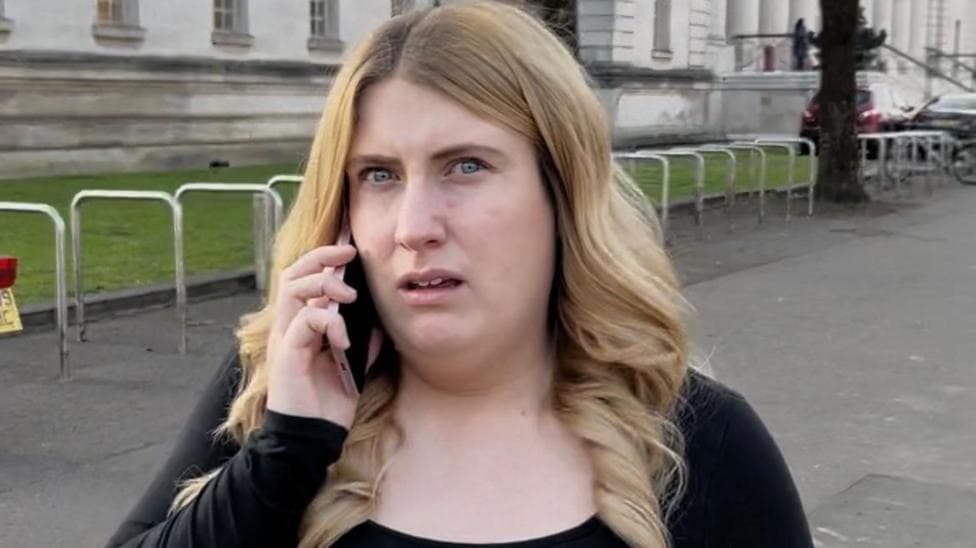
Charlotte Blackwell, a 32-year-old estate agent from Bridgend, orchestrated an elaborate deception between November 2022 and May 2024, convincing relatives and friends that she was planning a wedding in Turkey. The scheme netted her £12,682, which she used to settle mounting online gambling debts. In March 2025, a judge ordered her to repay £13,750 in compensation to four victims at £400 monthly, but nearly a year later the victims have received only a fraction of what they are owed.
Blackwell wept with relief when she learned she would avoid prison, and she pledged to meet the court's repayment schedule. However, her victims report receiving just £163 in total across the entire period. By October 2025—seven months after the compensation order took effect—each victim had received only £25.45. Since then, Blackwell has paid an additional £15.30 to each victim, with no payments made in the four months preceding the current date.
Who were the victims and how much did they lose?
The four victims were Paula Thomas, the mother of Blackwell's then-fiancé Daniel; and three of Thomas's friends: Helen Morse, Sue Chapman, and Tracey Roberts. Thomas paid £3,296 into the scheme, Morse contributed £3,311, Chapman paid £3,272, and Roberts handed over £2,803. The judge ordered Blackwell to pay £3,500 each to Thomas, Chapman, and Morse, and £3,250 to Roberts, with the higher amounts intended to reflect the additional aggravation and distress caused to the first three victims.
Morse, an administrative worker at a general practice surgery, has been particularly vocal about her frustration. She had taken on a second job as a cleaner to help fund what she believed would be a genuine holiday. When she visited a travel agency to confirm booking details, staff spent an hour attempting to locate a wedding coordinator who did not exist and eventually informed her that nothing had been booked at all.
How did the fraud operate?
Blackwell's deception was sophisticated and deliberate. She created fake flight confirmations, fabricated emails purporting to come from travel agents, and forged bank transaction records. To add credibility to her communications, she even established fake email accounts designed to simulate correspondence with legitimate travel professionals. The scheme unravelled only when victims began asking practical questions about wedding preparations—such as why Blackwell had not yet purchased her wedding dress—and when Blackwell eventually cancelled the event, claiming illness.
What was Blackwell's sentence?
In March 2025, the judge handed Blackwell a suspended 12-month prison sentence, meaning she would avoid immediate custody. She was also ordered to complete 120 hours of unpaid work and undertake five days of rehabilitation activity. However, her compliance with these requirements has been poor. According to court records from October 2025, she had completed just over 55 of the 120 required hours of unpaid work and attended only 21 of 34 mandatory appointments, with the court noting "unacceptable absences." This non-compliance led to a further court appearance on 17 October 2025, where she was fined £50 and ordered to pay £150 in costs for breaching her community service order.
Why did Blackwell commit the fraud?
According to her barrister, Alice Sykes, Blackwell was experiencing significant personal difficulties. Her daughter had been diagnosed with brain cancer, prompting Blackwell to leave her job to manage the associated medical and financial pressures. Facing mounting debts, she turned to online gambling in an attempt to recover money, which only deepened her financial crisis. Sykes told the court that Blackwell had subsequently placed blocks on gambling websites and taken steps to prevent relapse into that behaviour.

Does Blackwell have a history of fraud?
This is not Blackwell's first conviction for dishonesty. In August 2024, she avoided jail for defrauding Morgan's Army, a children's cancer charity, of £4,000. The charity was founded by the parents of Morgan Ridler, who died of cancer at age three, and it provides support to families in south Wales affected by childhood cancer. In that case, Blackwell falsely told the organisation that her daughter required expensive treatment in Germany, when in reality the child was in remission. The money was frozen and recovered after the deception came to light. For that offence, she received a suspended 10-month prison sentence, 180 hours of unpaid work, 10 days of rehabilitation activity, and a four-month night-time curfew.
Why have victims received so little repayment?
When Blackwell appeared in court in March 2025, her barrister argued that she would be able to meet the compensation order because she was employed full-time as an estate agent earning £1,700 monthly and was also receiving universal credit. However, victims say they have received almost no meaningful payments since the order was imposed. When they have contacted the Ministry of Justice (MOJ) for updates on enforcement, they report being given vague responses such as "It's being dealt with."
Helen Morse, who is owed almost £3,500, expressed her frustration:
We've sort of given up because there's nowhere for us to turn. It feels like she's being protected rather than the victims.She added that the experience has left her deeply cautious about trusting others:
You trust people don't you? This has made us really cautious now in everything we do. It's sad but we feel like we wouldn't trust anybody again.
Morse also highlighted the lack of transparency:
It's very frustrating because, as victims, we should surely be informed of what's going on but we get the same non-answer every time we chase the Ministry of Justice.
What powers does the Ministry of Justice have to enforce repayment?
The MOJ stated that it takes the recovery and enforcement of financial penalties seriously and recognises how important it is that victims receive compensation. The department said it can take money directly from an offender's benefits or salary, or issue a warrant to seize an offender's possessions if necessary. In cases where an offender fails to pay and the court has no means of recovering the amount owed, the offender can be sent to prison.
However, the MOJ declined to provide specific details about enforcement action in Blackwell's case, citing data protection laws. A spokesperson said:
These were heartless crimes. We take the recovery and enforcement of financial penalties very seriously as we know how important it is that victims get what they are owed. We can take money directly from an offender's benefits or salaries or issue a warrant to seize offender's possessions if needed.
What is the broader context of fraud victim compensation?
Blackwell's case reflects a wider problem affecting fraud victims. Similar cases have highlighted the difficulty victims face in recovering money from offenders. In another recent case, victims of funeral fraud reported that refunds remained unpaid, and a victim of an investment scam faced a 13-month reporting deadline that threatened to prevent recovery of £20,000. These cases underscore systemic challenges in victim compensation enforcement.
Key Facts
- Blackwell took £12,682 from four victims between November 2022 and May 2024 by falsely claiming to organise a wedding in Turkey
- She was ordered to pay £13,750 in compensation at £400 per month but has paid only £163 in nearly a year
- She has a previous conviction for defrauding a children's cancer charity of £4,000 in 2024
- She was fined £50 in October 2025 for breaching her community service order, having completed only 55 of 120 required hours of unpaid work
- Victims report receiving vague responses from the Ministry of Justice about enforcement and say they feel abandoned by the system