

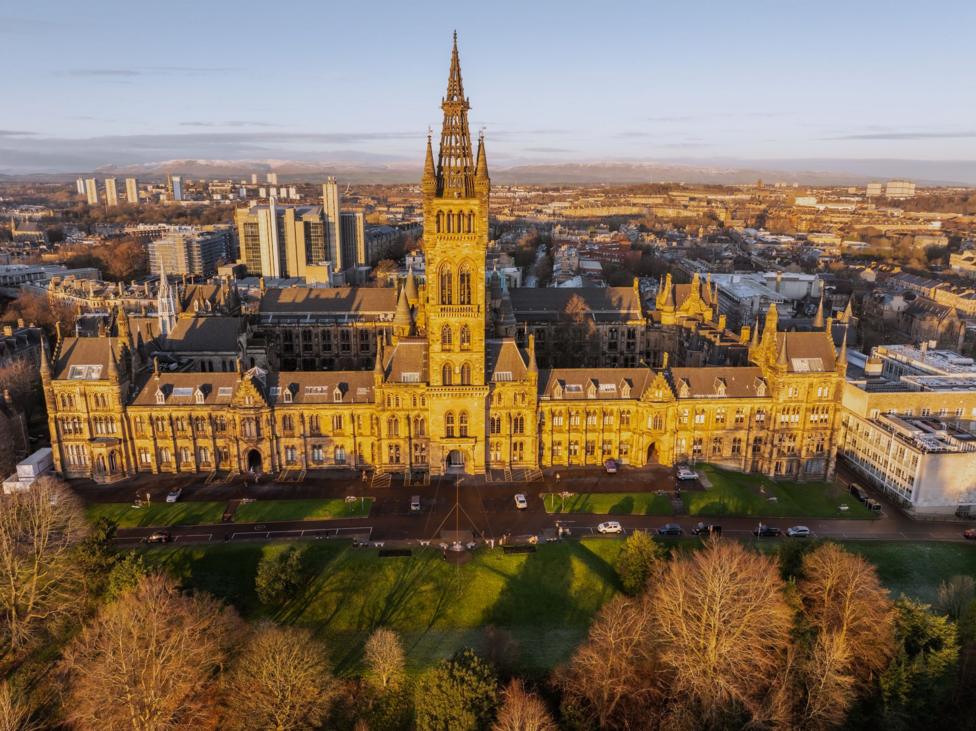
The University of Glasgow has announced it will carry out a formal review into how it hired Professor Jason Arday, after he stood down from his post at Cambridge this week amid allegations that he plagiarised parts of his academic work. Arday held the title of professor of sociology of education at Glasgow between January 2022 and March 2023, before moving on to become Cambridge's youngest black professor. A university spokesperson said the review had been ordered by the principal so that the institution could establish the full facts and identify any lessons to be learned.
Arday stepped down from his position at Jesus College, Cambridge, on Wednesday, 5 August 2026, after the university opened an inquiry into his academic credentials and the various honorary titles he has held. He has denied any wrongdoing and continues to defend his record, as previously reported when he rejected the plagiarism claims and insisted he was "not a liar".
What triggered the allegations against Arday?
The controversy stems from claims that Arday copied material in the PhD thesis he completed at Liverpool John Moores University, along with concerns about other pieces of his research. Journalists also began probing separate claims he had made publicly, including an assertion that he ran 600 miles in six days and that he had helped raise £5.5m for charitable causes.
According to the Herald Scotland, the allegations were first raised publicly in July 2026 in a Substack post written by Nathan Cofnas, a Cambridge alumnus who describes himself as a "race realist" and who had himself been dismissed by Cambridge in 2024. The same report noted that Arday had for several years claimed authorship of a book titled Being Young, Black and Male: Challenging the Dominant Discourse, said to have been published by Palgrave Macmillan.
The Telegraph has separately alleged that more than 100 passages in Arday's thesis bore close resemblance to an earlier thesis written by Paula Zwozdiak-Myers of Brunel University London, according to the Herald Scotland. Cambridge had initially characterised the allegations as part of a "vile campaign to undermine his credibility" before later opening a formal investigation into his academic history and qualifications, the same outlet reported.
Has Glasgow disputed any part of Arday's record?
Glasgow has now explicitly rejected a claim in a Cambridge biography that Arday held a visiting professorship at the Scottish institution, with the university stating that he "was never a visiting professor here," according to the Herald Scotland. Separately, when Arday joined Glasgow in 2021 he was noted at the time as one of the youngest professors in the UK, the same report said.
How has Cambridge responded?
Cambridge confirmed on Friday, 7 August 2026, that it will press ahead with an investigation into the circumstances of Arday's appointment and his time in post, and said the results would feed into a broader review of how the university appoints people to senior academic roles.

More than a dozen academics have put their names to a letter demanding an independent inquiry into how Arday came to be appointed in the first place. One of those who signed, Professor Priyamvada Gopal, told the Press Association:
"We're saying that the resignation is not the end of the story, that there are potential mistakes and missteps made by the university that need to be investigated."
Responding to the university's plan for its own review, Gopal, who is professor of postcolonial studies in Cambridge's English faculty, said:
"This cannot be a case of the university marking its own homework."
"We are absolutely clear that the investigation needs to be independent, not in the university's own hands, and needs to be completely transparent and accountable to the Cambridge community."
Gopal said the letter calls for scrutiny of why such a senior post was given to someone so early in his career, adding that the signatories also want answers on why media coverage focused so heavily on Arday's race and age, and whether the university played any part in efforts to discourage journalists from investigating the claims. This follows earlier reporting in which academics called for an independent inquiry into how Cambridge handled his appointment in the days immediately after his resignation.
What role has the Metropolitan Police played in this?
The force has faced criticism after it investigated a harassment complaint made against a Times Higher Education journalist who had emailed Arday with questions several months earlier. Commissioner Sir Mark Rowley told LBC on Thursday, 6 August 2026, that officers had made an error in handling the matter, as covered in an earlier report on how the Metropolitan Police admitted its mistake over the plagiarism-linked complaint.
The force "dropped the ball on that one" and the report should have been "screened out earlier as not requiring investigation."
What has Cambridge said officially?
In a statement issued on Friday, 7 August 2026, the university said:
"As has been widely reported, Jason Arday has resigned from his post at the university with immediate effect."
"Regardless of this, and for clarification, the university will continue to investigate the circumstances around Jason Arday's appointment and tenure. The findings will feed into a review of the process for the appointment of senior academic roles."
"In addition, and as previously stated, the university's Research Policy Committee will review the misconduct in research policy."
Jesus College has said it is pursuing its own separate process regarding the allegations. Meanwhile, an earlier investigation carried out by Liverpool John Moores University cleared Arday of wrongdoing in relation to his thesis.
What did Arday say in his resignation letter?
In his letter announcing his departure, addressed to colleagues and published on the Good Law Project's website, Arday wrote that stepping away was the only way to close this chapter. He said:
"This decision should not be interpreted as a loss of faith in scholarship or in the values that first brought me to Cambridge."
"Nor should it be mistaken for an acceptance of the narratives that have surrounded me."
"It is simply the decision of someone who has reached the limits of what any person should reasonably be expected to endure."
What happens next?
Cambridge's investigation into Arday's appointment and tenure is ongoing, and its findings are expected to feed directly into a wider review of how the university selects candidates for senior academic positions, according to the Herald Scotland. Jesus College has also confirmed it is running its own internal process into the matter, separate from the university-wide inquiry, the same outlet reported. Glasgow has not yet set out a timeline for when its own review of Arday's original appointment will conclude.
Key Facts
- Jason Arday was professor of sociology of education at the University of Glasgow from January 2022 to March 2023.
- He resigned from Cambridge on 5 August 2026 amid plagiarism allegations relating to his PhD thesis and other work.
- Glasgow has denied Arday ever held a visiting professorship there, contradicting a claim in his Cambridge biography.
- The Telegraph alleges more than 100 passages in his thesis resemble an earlier thesis by Paula Zwozdiak-Myers of Brunel University London.
- Cambridge and Jesus College are both continuing separate investigations, while dozens of academics demand an independent inquiry.


