A row has broken out over draft licensing proposals from Westminster City Council that critics claim could curb "vertical drinking" — the practice of standing up to drink, often outside pubs and bars — in central London's West End. The council insists there is no plan to ban standing while drinking, calling such reports a distortion of a consultation document that is still open for public comment.
What exactly is vertical drinking?
The term simply describes drinking while standing, a common sight outside the many venues packed into Westminster, which has more licensed premises than any other UK borough. The area holds roughly 500 pubs, bars and wine bars, alongside about 1,750 cafes and restaurants.
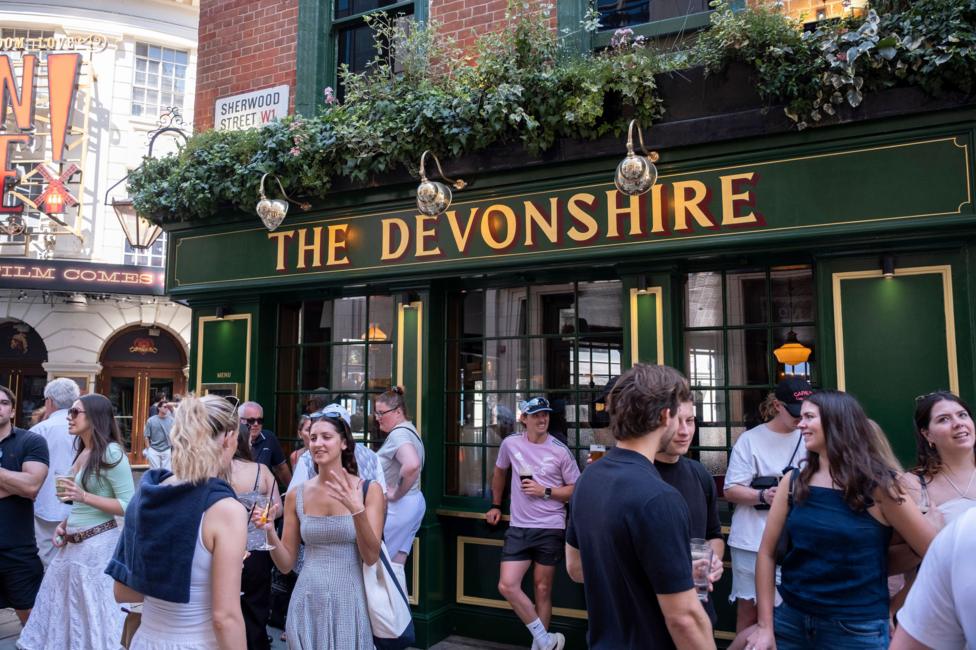
Why has this suddenly become a talking point?
The controversy stems from a report on page three of a national newspaper, which carried the headline "Time at the bar? Council accused of trying to stop pubs being pubs with 'no standing' plan" — a headline that was later altered in the paper's online edition. Westminster City Council (WCC) is legally required to refresh its licensing policy, last updated in 2021, by 1 October, and has launched a public consultation on its draft proposals that closes on Sunday, 9 August, according to the Independent. In response to the backlash, the council issued a "myth-busting" statement on the Friday afternoon addressing the claims directly.
What does the draft policy actually propose?
According to the consultation document, the council wants to discourage heavy drunkenness and instead promote more seating so customers can sit, order food and be served at tables rather than crowding around open bar areas built for high-volume standing drinkers. One measure would see the council refuse new licences for pubs, bars, fast-food outlets and music venues within the West End cumulative impact zone, a stretch running roughly from Oxford Street to Trafalgar Square that takes in Leicester Square and Soho.
The document states:
The introduction of measures to reduce the extent of, or to remove opportunities for, vertical drinking could address the underlying reasons for the policy.
Under the guidance, applicants for new licences would be encouraged to design venues around fixed seating and table service, with restrictions placed on customers drinking while standing.
How has the council responded to the criticism?
WCC has firmly rejected suggestions that it intends to stop pub-goers in Soho from drinking on their feet, describing such characterisations as "utterly ludicrous." Tim Barnes, the council's deputy leader and cabinet member for growth and planning, said:
There is no plan, and never has been, to ban drinking while standing up in a Westminster pub. Suggesting otherwise is a wilful misreading of the policy proposals with clauses taken out of context. We want people to go out in the West End and have a good time. Our guidance is simply about encouraging venues to manage their customers so people don't pack on to pavements or excessive drinking doesn't disturb others passing by.
The council's framing of the plans as a consultation rather than a settled rule was echoed by the Independent, which noted the document remains open to public feedback ahead of any final decision.

What have politicians said about the proposals?
The dispute has reached the highest levels of government, with reporting from CNN indicating that officials at 10 Downing Street were drawn into responding publicly to the Conservative-run council's plans. A spokesperson for the Labour government said:
Busy pubs full of people talking to each other is not a public nuisance, it is British life and it is thousands of jobs. Soho did not become world famous by taking last orders early, switching the lights off at 10 o'clock.
London's Labour mayor, Sadiq Khan, weighed in with his own criticism of the council, writing on X that "you can't run a world-famous nightlife district with a village-hall mindset," a line reported by Ground News. Meanwhile, a spokesperson for the Conservative Party called on WCC to find a balance between supporting the night-time economy and addressing concerns raised by residents living nearby.
What are Soho's business owners and residents saying?
A spokesperson for the Soho Business Alliance, which represents traders in the district, accused the council of wanting to shrink the late-night economy and reduce venue capacities. They said:
It's been like that for years where people are standing and drinking, it's not causing crime, it's not causing issues. It's them trying to change the nature of Soho and it's quite sad that they've gone to such lengths to sanitise the area.
That concern about a "sanitised" nightlife offer was also highlighted by the Independent, which reported that business owners fear the draft policy could squeeze available space in venues. Among those voicing worry is Lesley Lewis, who has run the French House pub in Soho for 37 years; she told Ground News that discouraging standing drinkers risks pushing customers away entirely.
Not all local voices are opposed to tighter rules, however. The Soho Society, a community organisation in the area, has previously argued that alcohol-related harm — including risks to women and vulnerable people at night — needs to be factored into licensing decisions. The group has also raised concerns about the unmanaged cumulative effect of having so many licensed premises packed into a small area, pointing to crime, anti-social behaviour, public safety and disruption to everyday life in Soho.
Why is the term "vertical drinking" so contentious?
Academic research cited in a study published by Taylor & Francis Online has examined how licensing policy can function as a proxy for judgments about supposedly "uncivilised" drinking behaviour, offering context for why the phrase carries political weight beyond its literal meaning. This backdrop helps explain why a seemingly technical licensing update has triggered such a sharp public reaction.
The debate also arrives against a backdrop of a strong summer for outdoor drinking, with London experiencing five separate heatwaves this year that have driven more people to socialise outside pubs and bars.
The wider hospitality sector has faced a mixed year. Pubs in Wales have recently bucked the national trend of closures by leaning into family-friendly offerings, as detailed in our earlier coverage of Welsh pub growth, while England's hospitality venues saw a surge in trade this summer when pubs were granted extended opening hours for World Cup matches, a decision covered in our report on pubs staying open late for England's game. That same extended-hours decision drew criticism from police over the added strain on officers, as reported in our coverage of police concerns over the late opening-hours decision. Separately, hospitality businesses have welcomed a 20% cut to business rates, though industry figures have described it as only a first step toward longer-term support, according to our report on hospitality relief measures.
What happens next?
Westminster City Council's public consultation on the draft licensing policy is scheduled to close on Sunday, 9 August 2026, according to the Independent. The council must finalise its updated policy by 1 October 2026, meaning any changes arising from public feedback will need to be settled in the coming weeks before the new rules take effect.
Key Facts
- Westminster has around 500 pubs, bars and wine bars, plus roughly 1,750 cafes and restaurants — more licensed venues than any other UK borough.
- The council's consultation on updated licensing policy closes on Sunday, 9 August 2026, with a final policy required by 1 October 2026.
- Downing Street and London Mayor Sadiq Khan both publicly criticised the council's approach to standing drinkers.
- Lesley Lewis, who has run Soho's French House pub for 37 years, warned the plan could drive customers away.
- The West End cumulative impact zone covers an area roughly from Oxford Street to Trafalgar Square, including Soho and Leicester Square.