Hundreds of prisoners across England and Wales began their release on Thursday under a new scheme designed to alleviate prison overcrowding, with the first wave expected to free around 700 offenders. Those released are serving sentences of up to 19 months and become eligible after completing a third of their term. However, many of those leaving custody have described the conditions they are departing as dire and expressed serious concerns about the absence of support systems awaiting them in the community.
The government has emphasised that released offenders will face strict monitoring, including expanded electronic tagging, and has argued that the measure was necessary to prevent prisons from reaching capacity. Yet some victims' advocates have raised alarm about their safety, and probation staff have warned that managing the sudden influx of offenders could prove unmanageable.
What conditions are prisoners describing?
Former bus driver Michael Bogle, released from Wandsworth Prison in London, was emphatic that he would not return to the facility, characterising the environment as "awful". He had served 78 days for shoplifting soap detergent after breaching a suspended 32-week sentence. Bogle reported that offenders were confined for 23 hours daily and said he was aware of a prisoner who had recently died by suicide.
Another man released from Wandsworth on Thursday, who requested anonymity and had been sentenced for theft, described the prison as "so crowded even the rats are complaining".
Matthew Johnson, 35, also spoke of deteriorating conditions as he departed Leeds Prison. Released after six months of an 18-month sentence for actual bodily harm, Johnson painted a stark picture of the facility:
"It's hectic. It's crowded. It's overcrowded – cells for one person with two people in them."He further noted that
"Staff are overwhelmed anyway with what they've got to cope with at the minute".
Jake Sykes, 33, similarly described "disgusting" conditions upon leaving Lincoln Prison after serving 16 weeks for shoplifting. He reported that
"It's full of cockroaches, rats. It's disgusting in there, filthy."Sykes will be subject to electronic tagging, a pub ban and a curfew as part of his release conditions.
What support concerns have been raised?
Despite acknowledging that the early release scheme should continue, Bogle stated:
"It's good. Tagging is better than prison".However, Sykes identified what he viewed as the justice system's most pressing failure: the absence of aftercare for offenders. He explained:
"The support is there whilst you're there, so you're secure, you feel safe there. And then when you get out, there's nothing."
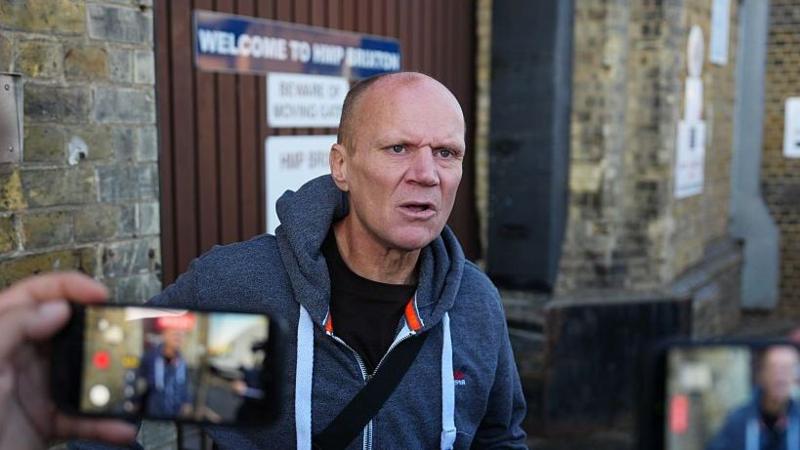
A man identified only as David, 50, released from HMP Brixton after conviction for theft, expressed scepticism about whether the scheme could succeed given inadequate community support. He stated:
"Stop sending people to prison in the first place. Help them before they get there. I've been in and out of prison all my life. It's help I need."David characterised the approach as
"setting us up to fail".
How many prisoners will be affected?
The scheme was originally designed to release approximately 6,000 offenders, but the prime minister intervened to review and restrict its scope. The final figure was reduced after certain categories were excluded, including all forms of manslaughter, grooming offences and causing or allowing the death of a child. According to government guidance issued in September 2024, the change also excludes sex offences, terrorist offences and serious violent offences carrying sentences of four years or more.
Indeterminate sentences, handed down for the most serious crimes such as murder, remain unaffected by the scheme and continue to require parole board approval before release. Those released early can be immediately returned to custody if they breach their licence conditions, which include prohibitions on committing further crimes, contacting victims or residing at unapproved addresses.
By June 2025, 38,042 prisoners had been released under the scheme, according to Ministry of Justice figures. However, official data also revealed that 11,041 recalls to prison occurred between April and June 2025, up from 9,782 in the same period in 2024, with prison sources linking the rise partly to the early-release scheme.
What are victims' concerns?
London Victims' Commissioner Andrea Simon has raised concerns about the protections in place, warning that the exemptions do not cover "some offenders whose imminent release is a genuinely terrifying prospect for their victims". A probation worker told the BBC that managing the influx of offenders may prove "just too much", adding to worries about whether the system can adequately protect the public and support both victims and those being released.
What happens next?
The first release wave was one of 10 scheduled waves, with the final one slated for June 2027. According to government guidance, the early-release change will be reviewed after 18 months to assess its impact and effectiveness.
This scheme follows a separate emergency early-release programme that operated from October 2023 to September 2024, during which more than 10,000 prisoners were released early. That earlier measure was triggered by a crisis in which virtually no free cells remained in the prison system by summer 2024, prompting authorities to release some prisoners after serving 40 per cent of their sentence rather than the standard 50 per cent.