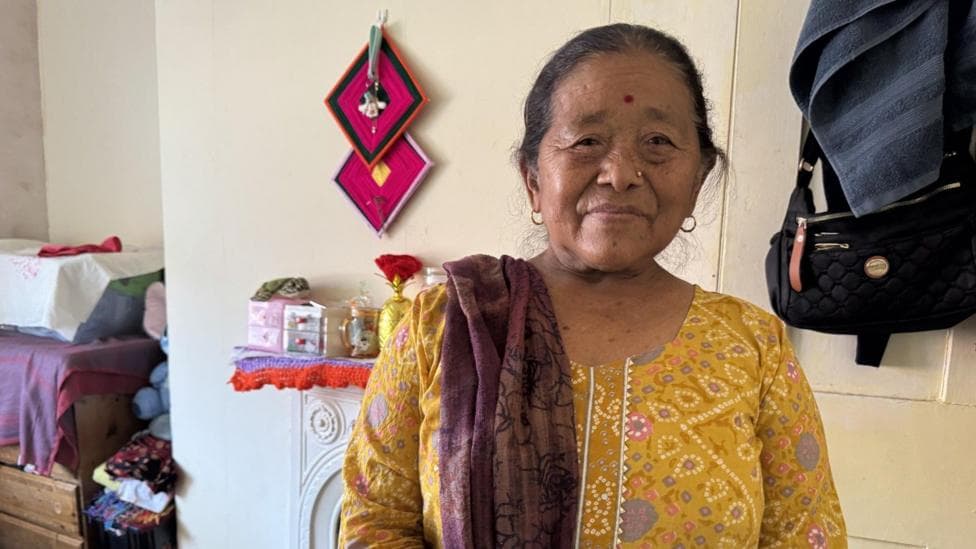
Indumati Thapa, now 87, spends her days with a circle of widowed women who share her circumstances. Her husband served as a Gurkha alongside British forces across south east Asia before his death in 2020. Though he left her a pension, the financial support falls dramatically short of what she needs to survive in modern Britain.
Gurkhas who retired before 1997 operate under a fundamentally different pension structure than their British Army equivalents. Their payments are calculated using Nepalese living costs rather than the expenses of towns like Reading, where thousands of retired Gurkhas have settled. This disparity leaves many elderly veterans and their families in severe financial hardship.
Indumati's weekly income—her modest pension combined with roughly £100 in benefits—barely covers her rent, utilities and food in her small two-bedroom flat in central Reading, which she shares with her friend Devisara Rana. She has grown dependent on the support of those around her to make ends meet.
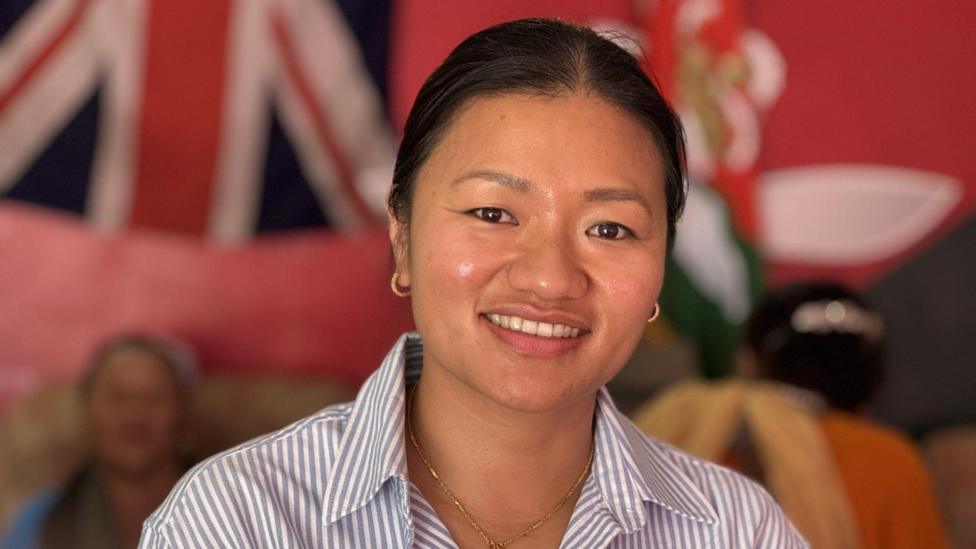
Speaking through her friend and local Labour councillor Pratikshya Gurung, Indumati expressed her frustration.
She thinks they've been let down a bit and says she would be grateful if the pension was bigger than it is as that would make her living conditions and financial situation better, Pratikshya explained.
Why does this pension gap exist?
The disparity stems from how pre-1997 service is credited under pension transfer rules. According to forces coverage, pre-1997 service counts at only a fraction of a full year, which is why many older veterans receive substantially smaller pensions than British soldiers with identical service records. Since 2007, Gurkhas have received equal pensions under the Armed Forces Pension Scheme, but this improvement does not apply to those who retired earlier.
Around 25,000 pre-1997 Gurkha veterans remain on the older scheme, according to Parliament records from March 2026. The government maintains that the 1948 Gurkha Pension Scheme provides pensions at least as good, and often better, than those of British counterparts with identical service for most pre-2007 veterans—a claim many Gurkhas and their advocates dispute.
What are campaigners demanding?
Gurkha veterans and their supporters are pressing for equal pensions with British soldiers. The campaign has developed an 11-point charter of demands, including equal pensions and implementation of the 1947 Tripartite Agreement. Campaigners are also seeking reduced visa fees and waivers for families, recognising that many elderly veterans face additional barriers to maintaining connections with relatives abroad.

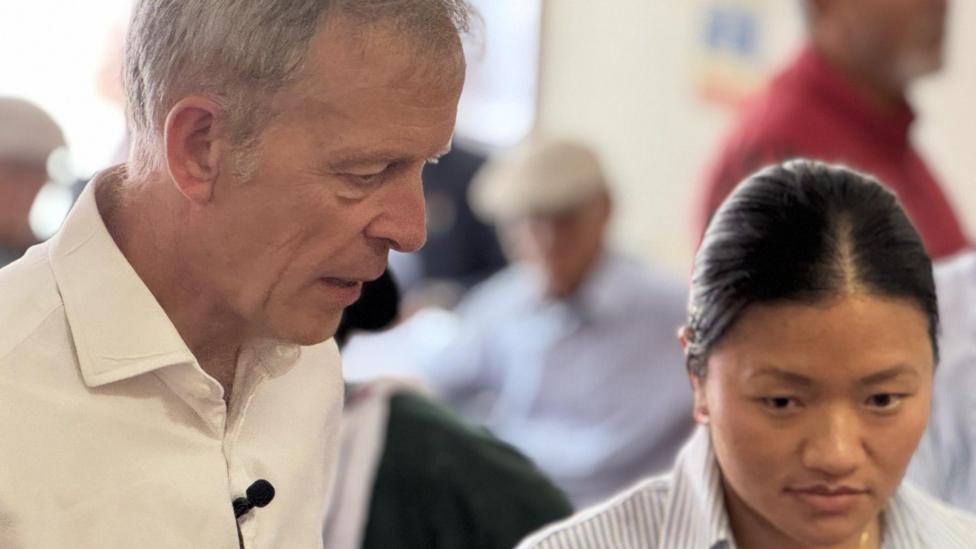
Matt Rodda, the Labour MP for Central Reading, has been pressing both the previous Conservative government and the current Labour administration to improve pension rights for older Gurkhas.
It's so important we show our support for these elderly people. They served this country with distinction over decades and decades, Rodda said, emphasising that time is running out for this generation of veterans who fought in the jungles of Malaya and Borneo during the 1950s and 1960s.
Many of these elderly Gurkhas cannot read or write and must rely on younger family members to navigate modern systems and services—a world vastly different from the one they knew in their youth.
What is the government's position?
The Ministry of Defence stated:
The government holds the distinguished service of the Gurkhas in the highest regard and remains firmly committed to supporting the welfare of Gurkha veterans and their families. We will continue to work with partners in both Nepal and the UK to ensure Gurkha veterans and their families receive the support and recognition they deserve.
On 3 March 2026, the UK government said it was reviewing the Nepalese Supreme Court's judgment on Gurkha pensions and would continue engaging with Nepal through bilateral mechanisms. However, these diplomatic discussions have not yet produced concrete changes to pension arrangements.
What do the widows face now?
Devisara Rana, who has recently lost both her husband and son, has come to terms with her material poverty. Her entire worldly possessions fit within a bedroom measuring no more than 12 feet by 8 feet. Yet her deepest wish is not for greater comfort in Britain, but simply to return home.
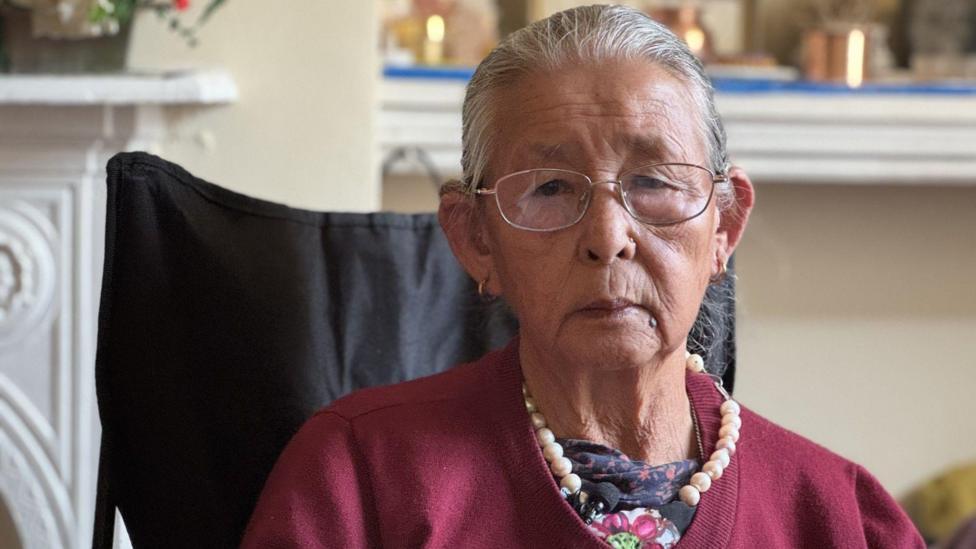
Through Pratikshya's translation, Devisara expressed her final hope:
She doesn't know how long she has got to live but that however many days she does have left she wants to spend those days with her family. She just wants to be able to go home one last time. Financial constraints make even this modest dream seem out of reach.
What happens next?
The UK government has committed to continuing its review of the Nepalese Supreme Court judgment and maintaining engagement through bilateral channels with Nepal. No fixed date for a resolution has been announced, meaning further government-to-government discussions are expected rather than immediate policy changes.
Campaigners are focusing their next efforts on continued parliamentary action to secure pension justice and related measures such as visa fee reductions for families. MPs including Rodda remain engaged in pressing the government, though no single confirmed vote date has been scheduled in current parliamentary records.