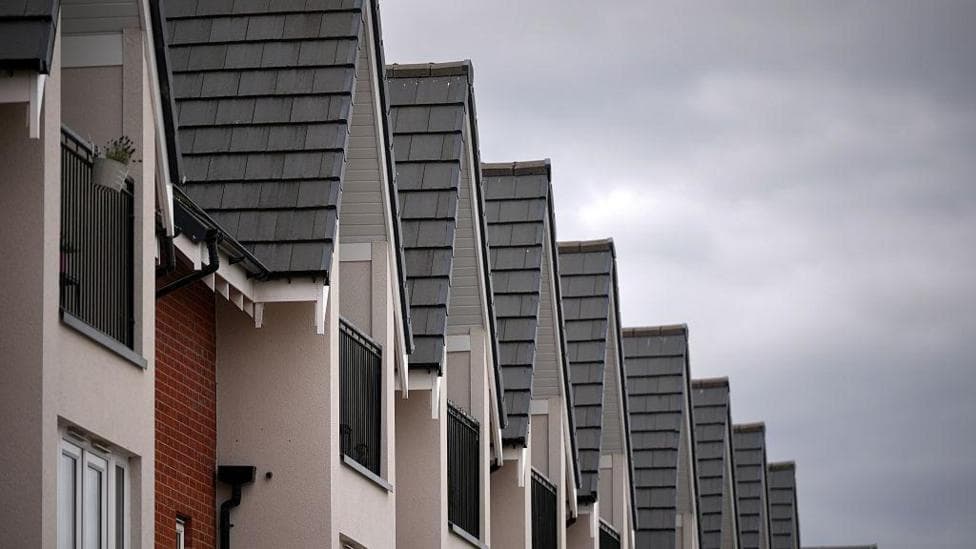
The government has announced the locations where 70,000 social and affordable homes will be constructed across England over the next decade, marking the opening phase of an ambitious effort to ease the nation's housing shortage.
Funding allocations have been confirmed for Greater Manchester, the West Midlands, West Yorkshire, South Yorkshire, North East England, and Liverpool, alongside £6bn designated for London. This initial tranche represents the first stage of a broader commitment to deliver 300,000 social and affordable homes nationwide through the government's £39bn social housebuilding programme.
Of the homes being announced, 60% will be designated for social rent—properties where occupants pay roughly half the market rate, with eligibility determined by strict criteria. According to government projections, the programme is expected to deliver around 180,000 homes for social rent if this 60% target is achieved across the full 300,000-home scheme.
Prime Minister Andy Burnham framed the initiative in personal terms, stating:
No child should be raised in a hostel room and no family should wait 10 years for a front door of their own. I have said from my first day in this job that everything starts with a good home.
The announcement comes as homelessness figures have reached record highs under the current administration. Data released earlier this month indicated that 177,530 children were living in temporary accommodation, while 1.34 million households remained on social housing waiting lists as of March 2025.
Who is waiting for permanent housing?
Natasha, a 22-year-old mother, exemplifies the crisis facing families in temporary housing. She has spent the last four months living in a hotel in Milton Keynes with her five-week-old son Zayd, including the final months of her pregnancy and the first weeks of his life.

During her pregnancy, Natasha's room became infested with ants, a problem she reported repeatedly before being relocated to another room. Although she has her own bathroom, she shares a kitchen with approximately 60 other residents. She describes the environment as unsafe for her young child and compares the experience to
feeling like a prison. Visitors are prohibited, preventing friends and family from assisting her with childcare.
I'm just scared when he gets older, when he starts crawling around, I can't even allow him to crawl in such a place like that because it's so dirty,she explains.
I just want somewhere peaceful for him and calm. Somewhere nice where I can bring him up.
How will the funding be distributed?
London will receive the largest share of the initial allocation, though the specific number of homes to be built in the capital has not been disclosed. Ministers indicated that Monday's announcement represents the first stage of the 10-year programme, with more than £16bn remaining to be allocated outside London.
The funding structure reflects a significant commitment to long-term certainty. According to recent reporting, the social and affordable homes programme is structured as a 10-year scheme running from 2026-27 to 2035-36, with spending forecast to reach £4 billion annually by 2029-30 and then increase with inflation. Approximately £27.2 billion is to be managed by Homes England, with the remainder handled by the Greater London Authority.

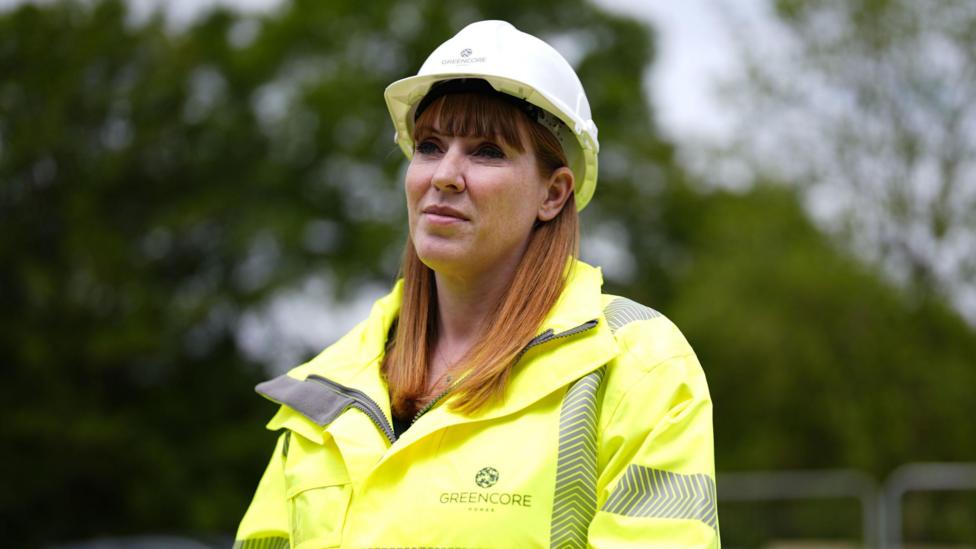
Housing Secretary Angela Rayner suggested that councils will play a significant role in delivery, stating she and the prime minister were
doing everything we can to get councils building once again. The government pledged millions in additional funding to councils to support their housebuilding plans and provide expertise. However, the announcement did not clarify how funding would be divided between council homes and those provided by housing associations.
The government has also linked the scheme to 10-year certainty over capital funding for registered providers, intended to support larger and more ambitious housing projects. This represents a departure from the previous Affordable Homes Programme and establishes a new long-term capital grant route for social and affordable housing in England.
How does this compare to historical council house building?
The scale of current ambitions stands in sharp contrast to the post-war era. During the 1950s, councils were constructing nearly 200,000 new council homes annually. Today, half of all councils do not own or build their own homes. In 2024-25, just over 12,000 homes were built for social rent—the highest figure since 2013-14, yet organisations including the National Housing Federation and homeless charities have previously agreed that at least 90,000 social homes would need to be built each year to meet demand.
What do housing organisations say about the plan?
Housing charities welcomed the announcement but expressed reservations about its adequacy. Charlie Berry, policy manager at housing charity Shelter, described the initiative as
not near the level we need to truly tackle that backlog and end homelessness, though she acknowledged it represented
a significant improvement. She stated she would
loveRayner to commit to a specific annual target for socially rented homes.
The Conservative opposition criticised the plan as insufficient. Shadow housing secretary Sir James Cleverly characterised the announcement as
sleight of hand, noting that
the small print shows homes won't have to be delivered until 2039. He argued that
fewer homes will be delivered than previous programmes in this Parliament as social rent is more expensive. Labour have scaled back their affordable housing programme and expect us to thank them for it.
Shelter countered that
there were already strict rules on who can access social housingand that neither the Conservative nor Reform proposals to restrict access to foreign nationals or prioritise British-born workers addressed the underlying causes of the housing crisis.
How does this fit into broader housing targets?
The social housing programme forms part of a wider government commitment to build 1.5 million homes by 2029. However, progress toward this target has lagged. Using Energy Performance Certificate data—the most timely indicator of new home construction, as each newly created dwelling must have an EPC by law—analysis suggests approximately 203,000 new homes were delivered in England in the 12 months ending June 2026. To reach the 1.5 million target over five years, delivery would need to reach at least 300,000 homes annually.
The government has also implemented broader social housing policy changes. According to housing sector sources, the programme includes a cap on annual rent increases of CPI plus 1% for 10 years from April 2026, providing tenants with greater predictability over housing costs.
What happens next?
Homes England is opening the first strategic partnership round for the programme, with bidding having opened on 24 February 2026. The first round is scheduled to close on 15 April 2026. A consultation on allowing social rents to converge to formula rents is due to close on 27 August 2026. All starts under the programme are required by March 2036, with completion expected by March 2039.
The government dropped separate plans to relax affordable-housing rules for some smaller developments following backlash from housing experts, signalling a commitment to maintaining standards across the sector.
Key Facts
- The initial allocation of 70,000 homes is the first phase of a 300,000-home, 10-year programme running from 2026-27 to 2035-36
- At least 60% of homes will be for social rent, with annual increases capped at CPI plus 1% for 10 years from April 2026
- 177,530 children are currently in temporary accommodation, and 1.34 million households are on social housing waiting lists
- Spending is forecast to reach £4 billion annually by 2029-30, then increase with inflation
- Current delivery of social rent homes (12,000 in 2024-25) falls far short of the 90,000 annually estimated as necessary to meet demand