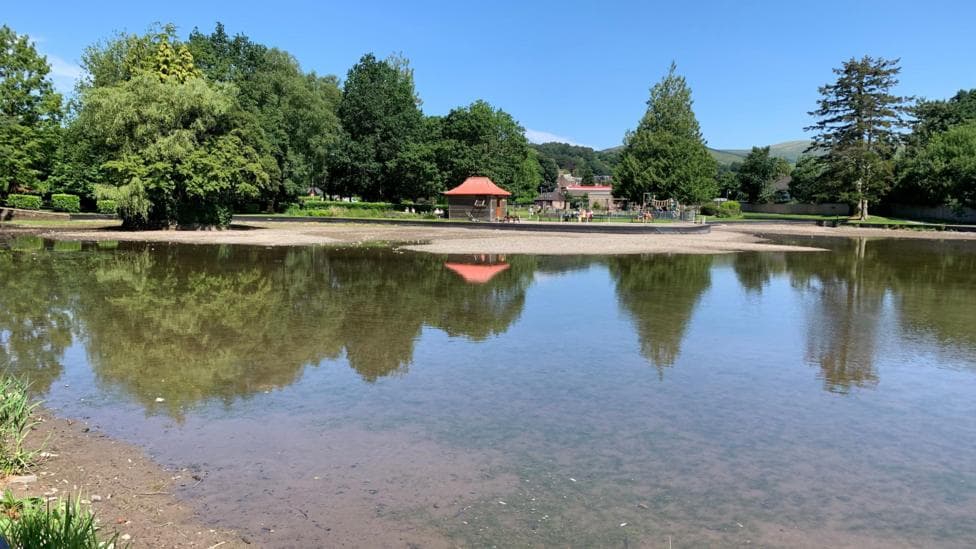
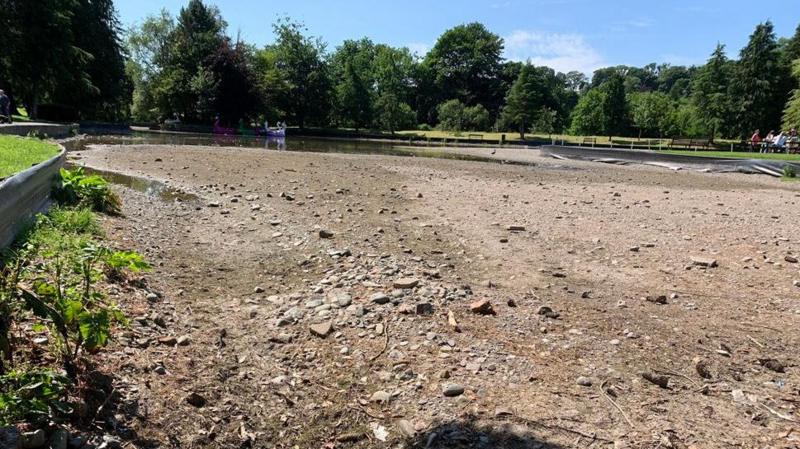
A fresh investigation is underway to identify the cause of a persistent water leak that has rendered a Victorian-era boating pond in Moffat, southern Scotland, unusable for several years. The local authority managing the site, Dumfries and Galloway Council, is considering a phased repair strategy after earlier attempts costing £35,000 failed to resolve the problem. A complete pond liner—the most reliable solution—could cost up to £380,000, a figure the council has deemed disproportionate without dedicated funding.
The boating pond has faced mounting difficulties since a section of its surrounding wall collapsed more than three years ago. That structural failure followed significant flooding during the winter of 2022, according to a council assessment. Despite repeated efforts to replenish water from the nearby River Annan, the facility has remained unable to maintain adequate water levels. A refill attempt in the previous year confirmed that water continued to escape, prompting the council to commission an independent technical investigation.
Specialists examining the site have concluded that tree roots and ground movement are the most probable causes of the leak. They have recommended a staged approach to finding a solution rather than attempting a comprehensive fix immediately. The council's environment and infrastructure committee is being asked to approve further investigative work focusing on the south-west corner of the pond and other zones identified as potential problem areas. Consultants have also suggested trialling a specialised leak-sealing product before committing to larger expenditure.
Why has the pond remained closed?
The pond's closure has frustrated both residents and tourists who view it as a defining feature of the town. Local residents previously raised concerns through community channels, describing Moffat as having lost its status as a "jewel in the crown" of the region, with visitors now simply driving past rather than stopping. Visitors themselves have remarked that the empty pond appears "a little bit sad" and diminishes the town's appeal.

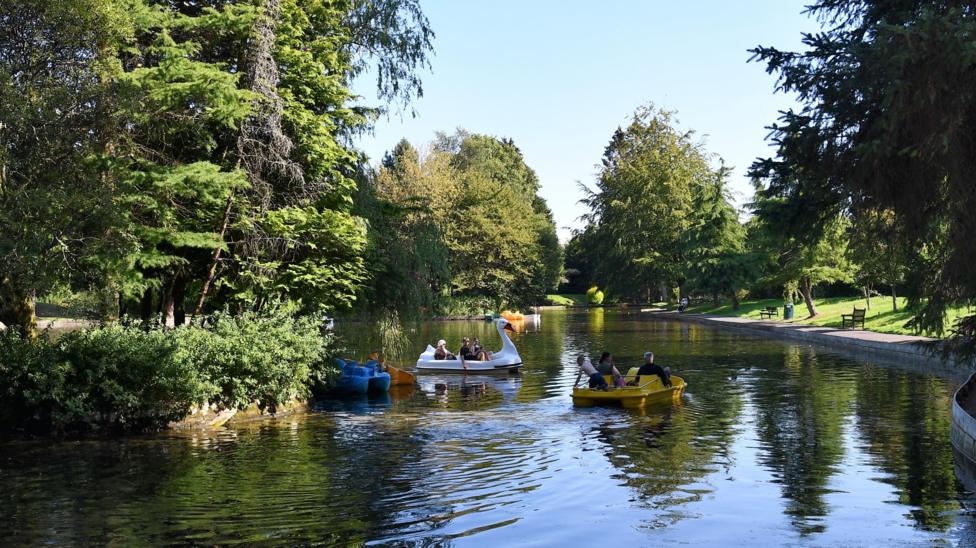
According to recent reporting, heavy rainfall earlier in 2026 briefly allowed boating to resume before water levels fell once more, demonstrating that the underlying leak issue remains unresolved. A specialist assessment determined that the water entering the pond was insufficient to sustain its historical size, meaning that even natural rainfall cannot keep it full.
What are the council's repair options?
The council has identified several potential approaches to restoring the facility. A full pond liner would provide the highest level of certainty that the leak would be eliminated, but its estimated cost of up to £380,000 makes it financially unfeasible without external funding. The council's report to members stated that this option was "not considered proportionate" at the current stage and that a phased approach would deliver better value.
The recommended strategy involves targeted investigation work in identified risk areas, combined with a trial of a leak-sealing product. This incremental approach allows the council to gather more data about the precise location and nature of the leak before committing to larger expenditure. However, the report warned that failure to pursue investigative work could lead to "further deterioration" of the pond structure, escalating repair costs, or potentially the permanent loss of the boating pond as a recreational facility.

What happens next?
Dumfries and Galloway Council is preparing a further report for elected members that will include updated timescales for reopening the facility, according to council communications. The investigation work approved by the environment and infrastructure committee will inform this next phase of planning. The council has also confirmed that pipework around the pond was checked and found to be clear of obstruction, ruling out that as a source of water loss.
Key Facts
- The boating pond has been closed since a wall section collapsed more than three years ago following winter 2022 flooding
- Previous repair work costing £35,000 failed to stop water loss; a complete liner would cost up to £380,000
- Specialists identified tree roots and ground movement as the most likely causes of the leak
- Heavy rainfall in early 2026 temporarily allowed boating to resume, but water levels fell again
- The council is pursuing a phased investigation approach rather than immediate full-scale repairs