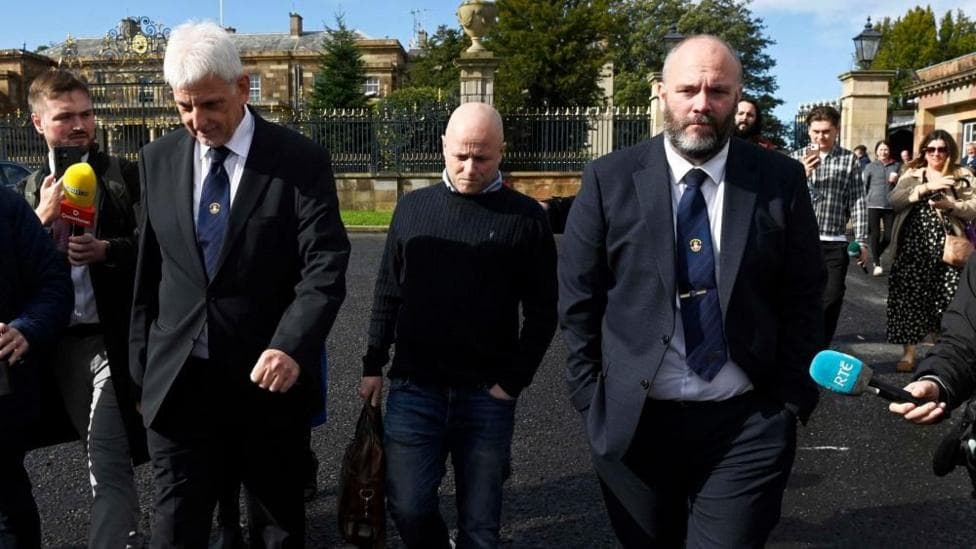
Negotiations over the contentious Drumcree parade dispute remain at an impasse, with the Portadown District Master stating that no concrete proposals for resolution have been formally presented. Members of the Portadown district of the Orange Order met the Secretary of State Sir Chris Bryant on Wednesday, accompanied by Jamie Bryson, to discuss the ongoing standoff.
Following separate meetings between the two sides and the Secretary of State, both the Orange Order and the Garvaghy Road Residents' Coalition received a document outlining potential terms. Portadown District Master Nigel Dawson characterised the current position by saying:
There are currently no proposals on the table.The chairman of the residents' coalition indicated his group would accept the document if the Orange Order agreed to its terms.
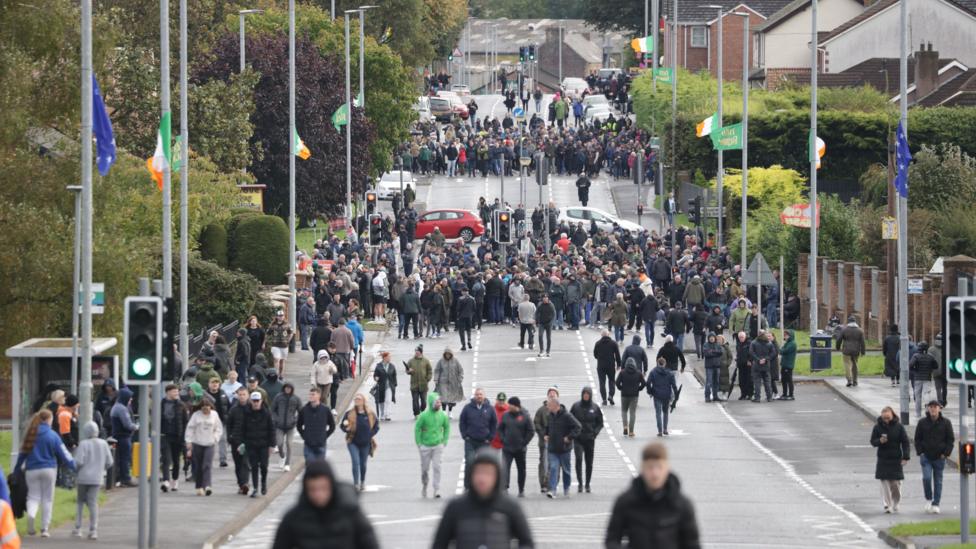
The dispute centres on a parade that was scheduled to proceed down the Garvaghy Road on Sunday but did not take place after a large protest blocked the mainly-nationalist route. Demonstrators have maintained a presence on the road, though in significantly reduced numbers, while the Orange Order has kept a presence at Drumcree.
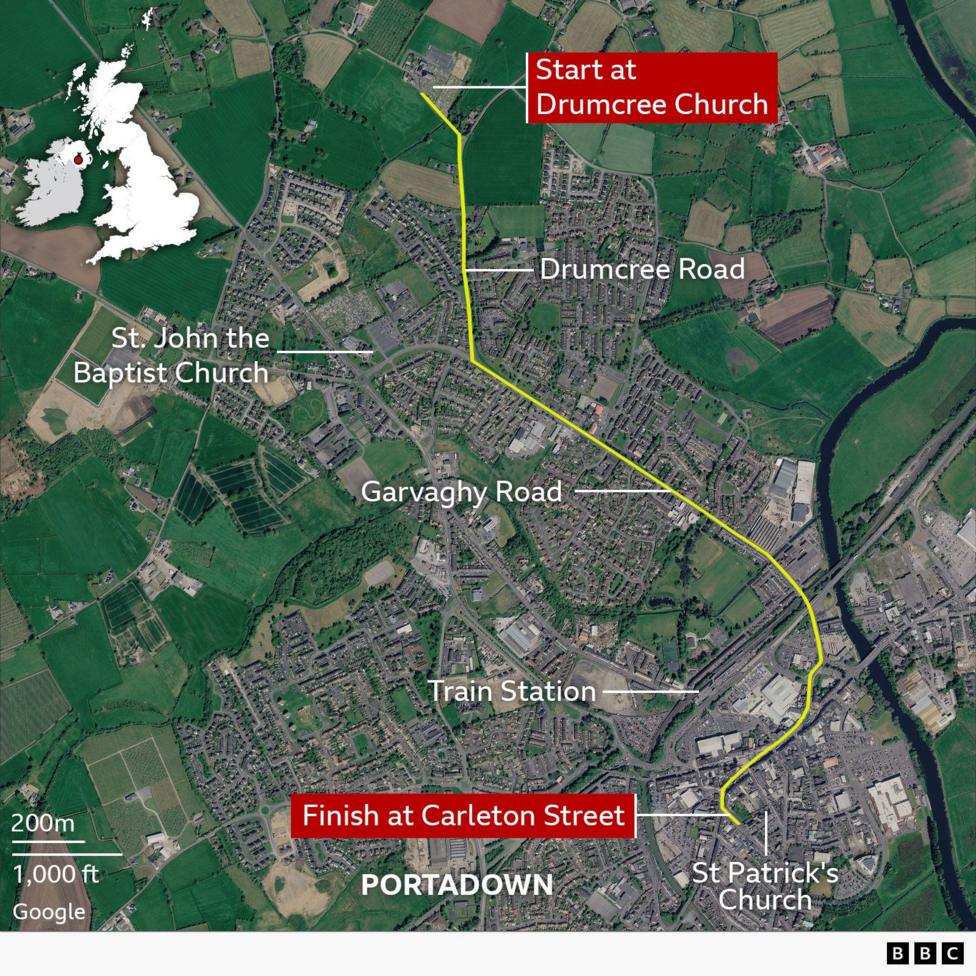
According to reporting on the live situation, the Parades Commission had permitted a limited Orange Order parade down Garvaghy Road for the first time in almost 30 years. The revised application proposed 60 members marching in silence, rather than the original plan for 400 people and two bands, according to details of the modified proposal.
Details of the document presented on Wednesday emerged when The Nolan Show revealed its contents on Thursday. The proposal reportedly acknowledged that the Orange Order possesses the legal right to walk the Garvaghy Road, with residents agreeing to accept that legal entitlement and publicly acknowledging it was wrong to block the Orange Order from using the route. In exchange, the Orange Order would voluntarily choose not to proceed down the road.
The Democratic Unionist Party's Carla Lockhart rejected the proposal, telling the Press Association:
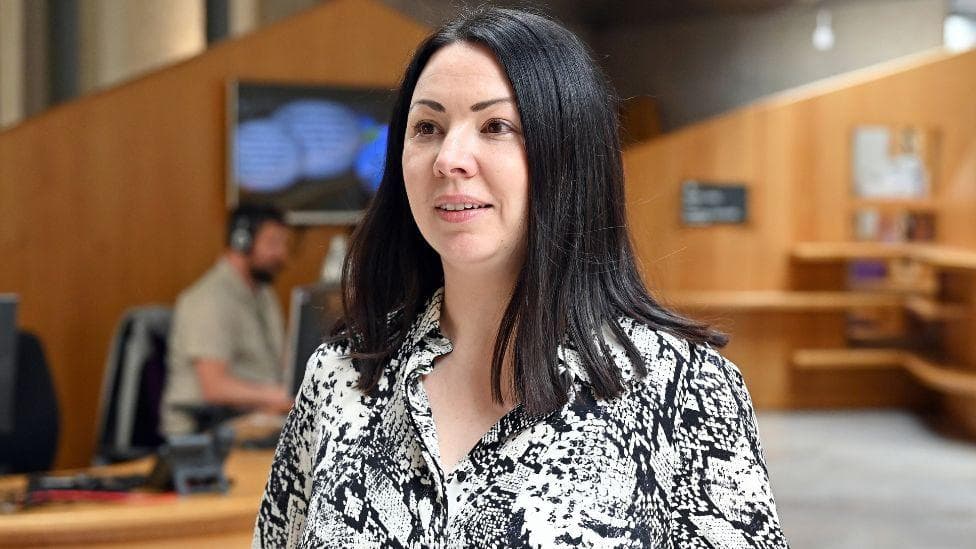
What's on the table is not acceptable.The DUP leader Gavin Robinson has also accused First Minister Michelle O'Neill of breaking the law by participating in Sunday's demonstrations. O'Neill responded on Wednesday, stating:
I can only focus on what I'm focusing on right now which is - I've made a choice to be here top stand on the Garvaghy Road with these residents and I will continue to do so.She added that if she faces investigation,
so be it, that's the chief constable's job.
What is the Drumcree dispute?
The Orange Order, the most prominent of the loyal orders associated with Protestants in Northern Ireland, organises thousands of parades annually, with the vast majority proceeding without incident. However, many Catholics view the marches as sectarian and object to them passing through or near Catholic or nationalist areas.
The Garvaghy Road had been part of the Drumcree route since 1807, according to historical records of the parade route. By the mid-1990s, nationalist residents began protesting against the parade, sparking one of the most serious public order crises in Northern Ireland's history. The dispute during that period was linked to several murders, riots and roadblocks across the region.
When police prevented the Orange Order from walking the route in July 1995, a tense standoff ensued that would repeat for the next three years. In 1998, the newly-established Parades Commission ruled that the Orange Order should not march down the road—a decision that remained in place for 28 years until recent legal developments.
The row re-emerged last month after a court case overturned a Parades Commission ruling on procedural grounds, according to reporting on the High Court decision. A fresh application was subsequently lodged. On Friday, the Parades Commission decided the march could proceed with restrictions. That decision faced legal challenges in several Belfast courts on Saturday before finally receiving approval just hours before the scheduled parade.
What happened on Wednesday?
Talks continued at Hillsborough Castle between the Secretary of State Sir Chris Bryant and representatives of both the Orange Order and the Garvaghy Road Residents' Coalition. Police Service of Northern Ireland Chief Constable Jon Boutcher announced that a
large scale criminal investigationwas underway into the unlawful blocking of Garvaghy Road, which prevented Sunday's parade from proceeding.
Boutcher has offered to meet both sides in the dispute separately. Speaking after meeting with Robinson, the DUP leader conveyed his party's expectation that positive developments from the investigation should emerge
within days, if not a week.
The chief constable is scheduled to address the dispute at a public meeting of the Policing Board in Belfast on Thursday. Board members are expected to seek his security assessment of the situation and receive an update on the criminal investigation into the protest that blocked the Garvaghy Road.
One board member, Sinn Féin's Deidre Hargey, was photographed participating in the protest, prompting unionists to call for her exclusion from the meeting.
What happens next?
On 29 September, residents' lawyers made a fresh legal bid to stop the march, according to updates on the legal proceedings. This followed three earlier legal hearings that had allowed the parade to proceed.
The Parades Commission is due to hear from the Portadown Orange District and political parties before publishing its determination on the proposed parade. The decision could take 24 to 48 hours after deliberations begin, according to the commission's stated timeline for the process.