A decades-old Orange Order marching dispute from Northern Ireland's most turbulent era has precipitated an institutional crisis at the Parades Commission, forcing resignations and prompting government intervention. The High Court's decision to quash the Commission's determination on the Drumcree parade has exposed procedural failings that have shaken confidence in the body tasked with regulating contentious processions across the region.
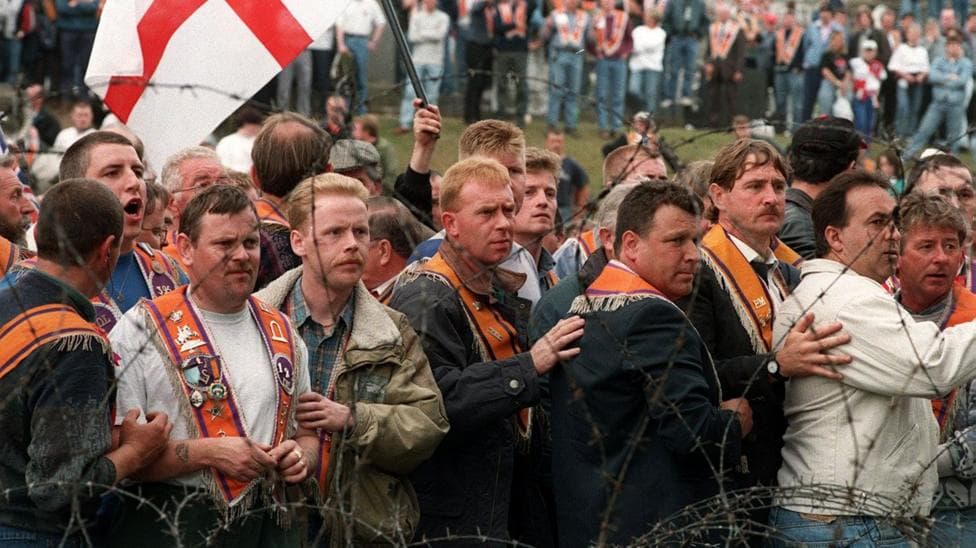
The Drumcree parade controversy, which dominated headlines during the late 1990s when it generated violence comparable to the worst periods of the Troubles, had largely faded from public consciousness until this week's court ruling reopened old divisions about rights and respect in a divided society.
How did this dispute originate?
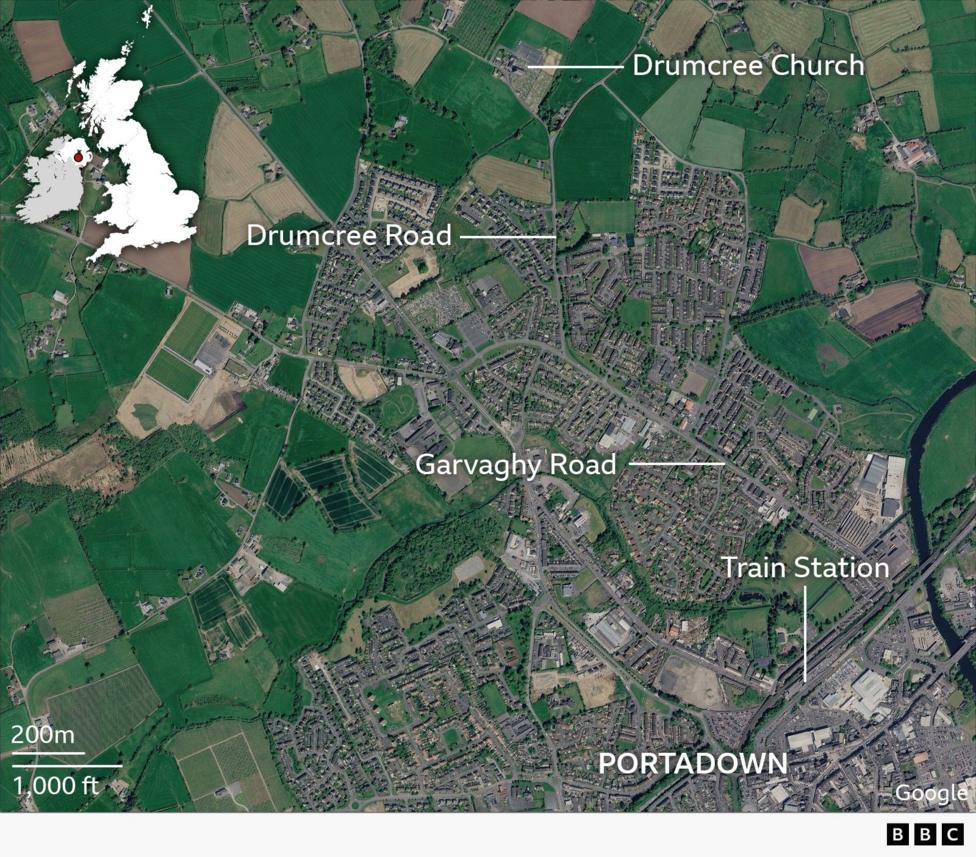
The annual Drumcree parade takes place in Portadown every July on the Sunday before the Twelfth. In the late 1990s, tensions surrounding the march reached levels not seen since the height of the Troubles, resulting in murders, riots, and roadblocks. The flashpoint centred on the route's passage along Garvaghy Road, a predominantly Nationalist area where residents mounted fierce opposition to the procession.
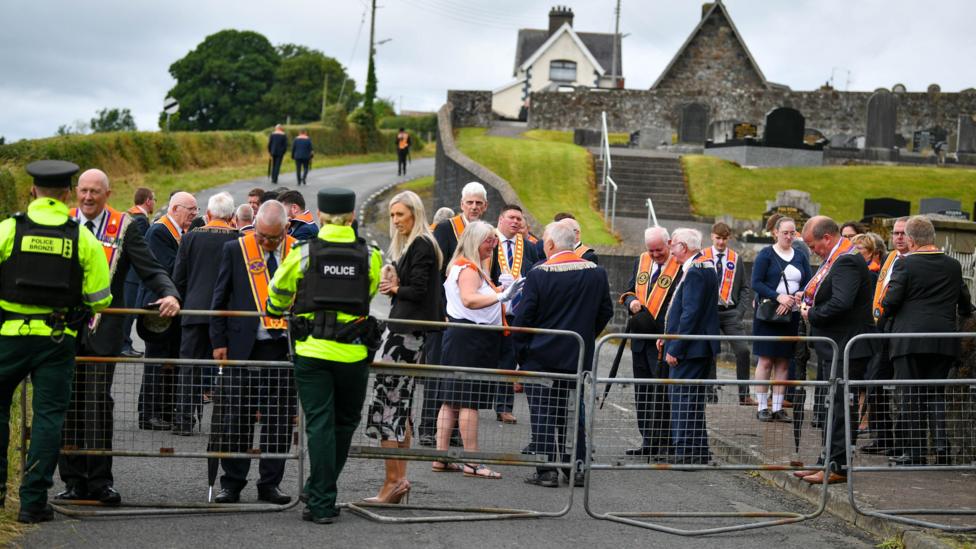
Since the Parades Commission's establishment in 1998, it has consistently imposed restrictions on the local Orange lodge's return route from Drumcree Church, preventing marchers from using Garvaghy Road. The Commission has also restricted small weekly protest parades from the church that halt at a police line positioned away from the contested road. For the lodge and its supporters, the 1998 parade remains unfinished business, with each fresh application framed as seeking its completion.
What procedural failures did the court identify?
The High Court found that the Commission's handling of this year's Drumcree determination contained significant procedural defects. In quashing the decision, Mr Justice McAlinden was scathing, referring to
"sloppy procedures" and "shortcuts"in how the Commission reached its ruling. Legal disclosure during the case revealed internal communications that reflected poorly on the six government-appointed commissioners.
The court discovered that not all commissioners had formally signed off on the final determination before its release, despite later claiming unanimous agreement on imposing the restrictions. According to reporting on the case, the Commission did not contest the proceedings because of identified procedural issues with this specific Drumcree decision.
What has happened to the Commission's leadership?
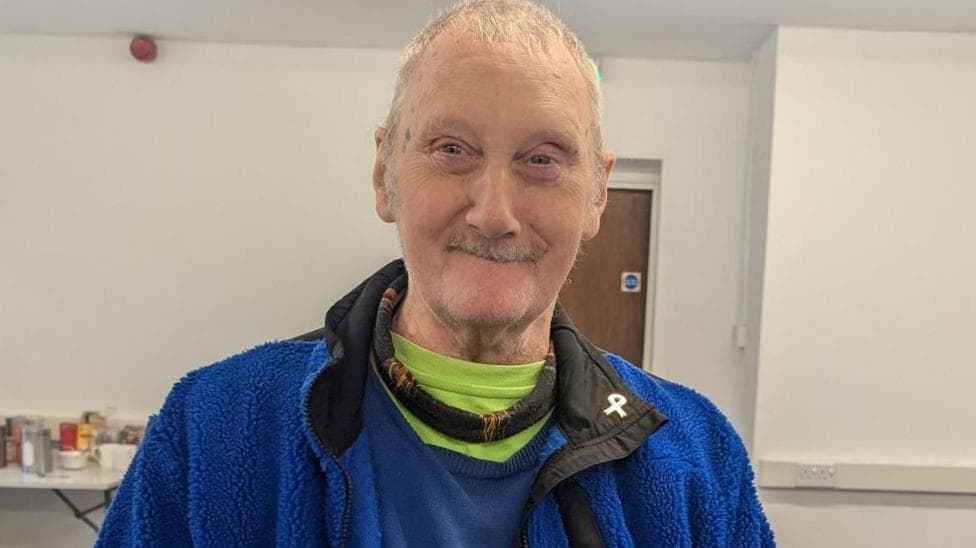
The fallout from the court case has already claimed one commissioner. Billy Gamble resigned from the Parades Commission after the High Court case, and the Northern Ireland Secretary accepted the resignation. The Orange Order's Portadown District welcomed his departure, stating it was
"very unfortunate" it took two days after the High Court evidencefor the resignation to occur. Following Gamble's departure, the Commission was reduced to five members.
The commissioners' combined salaries amount to approximately £180,000 annually for working one or two days per week. Unionist parties have united in demanding the replacement of all remaining commissioners, viewing the body as institutionally biased against them. The Orange Order and broader Unionism have never fully accepted the Parades Commission since its creation, perceiving it as prejudiced in its decision-making.
What is the government's response?
The responsibility for restoring institutional credibility now rests with Northern Ireland Secretary Sir Chris Bryant. The Secretary of State was said to be meeting the Parades Commission chair "as a priority" to assess what action is needed to strengthen procedures and public confidence. Key questions facing Bryant include whether further sackings are necessary, whether a comprehensive review of other Commission determinations is warranted, and how to rebuild public trust in the institution.
Bryant has acknowledged the situation as a priority matter. He will have noted First Minister Michelle O'Neill's visit to Garvaghy Road within 24 hours of the court ruling, where she highlighted
"anxiety" amongst residents over any parade. The Commission itself has stated that it had already implemented procedural changes to address the issue identified in court.
What do the communities affected say?
Breandan Mac Cionnaith of the Garvaghy Road Residents' Coalition expressed deep scepticism about the prospect of dialogue with the Orange Order, asking:
"What is the point of having any talks if there is a pre-determined outcome? It is 28 years since the last march came down the road. Who wants to open that can of worms again?"
The Orange Order's position differs markedly. Nigel Dawson, Portadown District Master of the Orange Order, stated the organisation is open to mediation but would engage
"to support our application" to march, adding: "The focus has always been to bring our bannerette home from Drumcree in 1998."
The Commission has previously made dialogue between the Orange Order and residents a prerequisite for parade approval—a requirement the Orange Order has challenged in court. While the Order requested talks, residents' representatives rejected the overture.
What happens next?
The High Court's decision did not authorise a parade to proceed; rather, it invalidated the Commission's determination. Any future march along Garvaghy Road will require a fresh application to the Commission, which must be procedurally watertight and capable of withstanding further judicial scrutiny. The Orange Order, emboldened by its court victory, is discussing a march date in late September, though this remains subject to a new Commission determination.
The court case has significantly raised the stakes surrounding the next application. Notably, the Orange Order won the case because the Commission conceded before a full hearing, meaning the court did not need to rule on the wider grounds of the challenge—including whether the Commission wrongly made resident dialogue a prerequisite for any parade.
The decision will be awaited with far greater anticipation than the hundreds of determinations the Commission has issued over three decades. The procedural rigour applied to this determination will set a precedent for how the rebuilt Commission operates, and whether it can restore the confidence of all communities it seeks to serve.